Amplification and Characterization of Plasmid Components for AAV Scalable Suspension Platforms

PROVEN INTELLIGENCE ACCELERATING NEXT-GENERATION THERAPIES.

Amplification and Characterization of Plasmid Components for AAV Scalable Suspension Platforms

Plasmid DNA Amplification and Characterization for AAV Production

CELL & GENE | RNA | BIOLOGICS

The quality and consistency of plasmid DNA are direct determinants of yield, purity, and functional activity for AAV vectors used in advanced therapeutics. For complex biologics intended for scalable suspension platforms, poor plasmid quality can introduce significant process variability and downstream risk. Applying proven intelligence in plasmid DNA characterization provides the confidence to accelerate these next-generation therapies from preclinical development toward IND submission.


A close-up of a pipette dispensing liquid into a rack of test tubes, set against a cool-toned, sterile background.

Frequently Asked Questions

What plasmid quality grades are required for AAV manufacturing?

For early R&D and discovery, Research Grade plasmid is sufficient. For programs advancing toward IND-enabling toxicology studies, a transition to High-Quality (HQ) plasmid is necessary. HQ production involves more rigorous purification, extensive quality control analytics, and enhanced documentation to ensure lot-to-lot consistency required for studies conducted under GLP conditions.

How does plasmid design impact AAV packaging efficiency?

The structural integrity of the plasmid is a primary factor. Intact and stable Inverted Terminal Repeats (ITRs) are necessary for proper AAV genome replication and encapsidation. Other elements, including promoter and enhancer sequences, polyadenylation signals, and codon optimization of the transgene, directly influence expression levels and final viral titers.

What are the key analytical methods for plasmid DNA characterization?

A comprehensive analytical package is used to confirm plasmid identity, purity, and integrity.

  • Identity: Restriction enzyme digest analysis and full-plasmid DNA sequencing (Sanger or NGS).
  • Purity: Spectrophotometry (A260/A280), analysis of residual host genomic DNA, and endotoxin testing.
  • Integrity: Agarose gel electrophoresis or capillary electrophoresis to determine the percentage of the supercoiled isoform versus open-circular or linear forms.

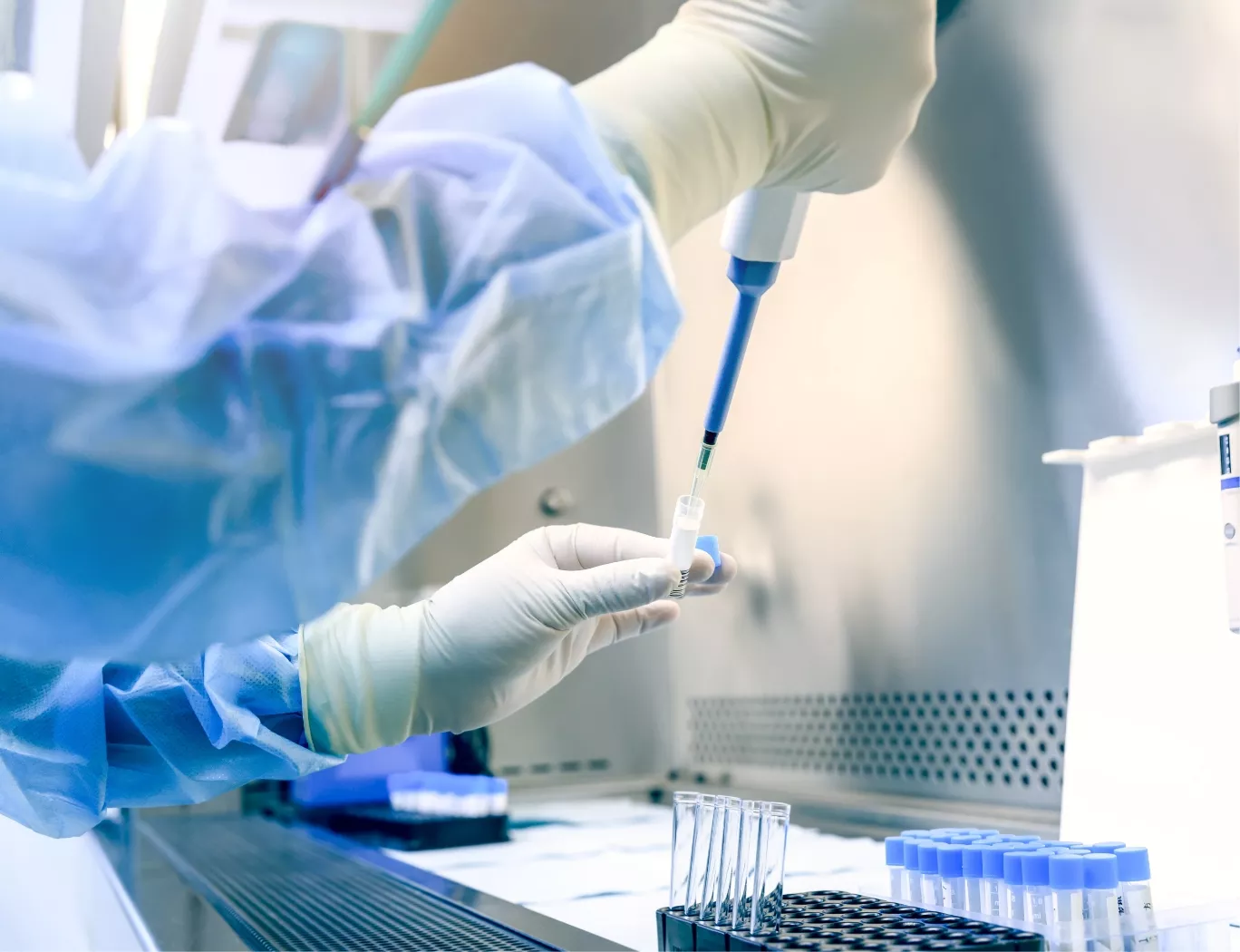
A scientist in protective gear pipetting a sample into a vial within a sterile laboratory hood.

Plasmid Integrity for Scalable Vector Production

Moving an AAV program from bench-scale research to a scalable suspension manufacturing platform requires a significant shift in the standards applied to starting materials. The plasmids carrying the transgene, rep/cap genes, and helper functions serve as the primary raw materials that dictate the success of the entire production run.

Inconsistencies in plasmid quality can lead to failed batches, low packaging efficiency, and an unfavorable ratio of empty to full capsids. These issues create costly delays and complicate the interpretation of data from preclinical models.

Establishing Key Quality Attributes for Plasmid DNA

A data-driven approach to plasmid production focuses on defining and controlling key analytical attributes. This ensures that the input material for every AAV batch is consistent, well-characterized, and suitable for its intended purpose.

  • Verified Identity: Full sequence verification confirms that the plasmid contains the correct genetic elements and is free from mutations that could impair function.
  • High Purity: Removal of process-related impurities like bacterial endotoxins and residual host cell components is necessary to minimize potential toxicity in subsequent preclinical applications.
  • Structural Homogeneity: A high percentage of the supercoiled plasmid isoform is associated with higher transfection efficiency and more consistent AAV production outcomes.

The integrity of the starting plasmid DNA is a primary variable that directly impacts the consistency of the viral vector used in IND-enabling toxicology studies. Establishing a well-characterized plasmid Master Cell Bank (MCB) provides a renewable and consistent source of starting material, de-risking the path to regulatory submission.

Our DNA services, built upon the expertise transferred from the Penn Vector Core, provide the robust amplification and characterization required to support your AAV program. We deliver high-quality plasmid DNA suitable for generating viral vectors used in pivotal preclinical programs, ensuring you have the documented, reliable starting material needed to move forward.


Scientific Process Diagram

This content is for informational purposes. For guidance specific to your therapeutic program, please contact our team for a consultation.