Stability Testing of Viral DNA/RNA in Clinical Samples (Blood, Urine, Feces) for Shedding Analysis

PROVEN INTELLIGENCE ACCELERATING NEXT-GENERATION THERAPIES

Stability Testing of Viral DNA/RNA in Clinical Samples (Blood, Urine, Feces) for Shedding Analysis

Stability Testing of Viral DNA/RNA in Clinical Samples for Shedding Analysis

CELL & GENE | RNA | BIOLOGICS

A stylized 3D rendering of a DNA double helix, composed of light-colored spheres on a translucent blue backbone, set against a soft-focus, light blue background.

Executive Summary

Accurate viral shedding analysis depends on the integrity of viral DNA and RNA within collected clinical samples. Degradation of nucleic acids between collection and analysis can lead to underestimation of viral load, generating false-negative results that compromise safety assessments and regulatory submissions. A systematic stability testing program, which evaluates the impact of storage conditions, temperature fluctuations, and matrix-specific inhibitors across blood, urine, and feces, is a core component of a GxP-compliant bioanalytical strategy.

Frequently Asked Questions (FAQ)

What is the primary cause of viral nucleic acid degradation in clinical samples?

The primary causes are endogenous nucleases (DNases, RNases) present in biological matrices like blood and plasma, as well as microbial activity, which is particularly prevalent in fecal samples. These enzymes actively degrade target nucleic acids if not properly inhibited or controlled through appropriate collection and storage protocols.

How many freeze-thaw cycles are typically evaluated for sample stability?

Standard GxP protocols typically evaluate a minimum of three to five freeze-thaw cycles. This range is designed to simulate potential temperature excursions that may occur during sample transport, processing, and long-term storage. The exact number of cycles can be tailored to the specific clinical sample handling plan.

Why is stability testing in feces particularly challenging?

Fecal samples present a dual challenge: they contain high concentrations of enzymatic and chemical PCR inhibitors (e.g., bile salts, complex polysaccharides) and possess a complex microbial environment. This environment can rapidly degrade viral nucleic acids post-collection, requiring specialized collection buffers and extraction methods to ensure accurate quantification.

Does the choice of collection tube anticoagulant affect viral DNA/RNA stability in blood?

Yes, the choice is significant. Anticoagulants such as EDTA are preferred for nucleic acid stability studies because they function as chelating agents. By binding divalent cations like magnesium (Mg2+), EDTA effectively inactivates many endogenous DNases that require these ions as cofactors, thereby preserving the integrity of viral DNA.

The Impact of Sample Matrix on Nucleic Acid Integrity

The biological matrix from which a sample is derived dictates the strategy for ensuring nucleic acid stability. Each matrix presents unique biochemical challenges that can compromise the accuracy of viral shedding data if not proactively addressed.

  • Blood (Plasma/Serum/Whole Blood): These samples are rich in nucleases that can rapidly degrade unprotected viral DNA and RNA. The selection of appropriate anticoagulants and stabilizing agents during collection is the first line of defense.

  • Urine: While generally less enzymatically active than blood, urine can exhibit wide variations in pH and solute concentration, which can affect nucleic acid integrity over time.

  • Feces: This matrix is the most complex, containing a high bacterial load and numerous PCR inhibitors. Stabilizing viral nucleic acids requires immediate neutralization of degradative enzymes and efficient removal of inhibitors during the extraction phase.

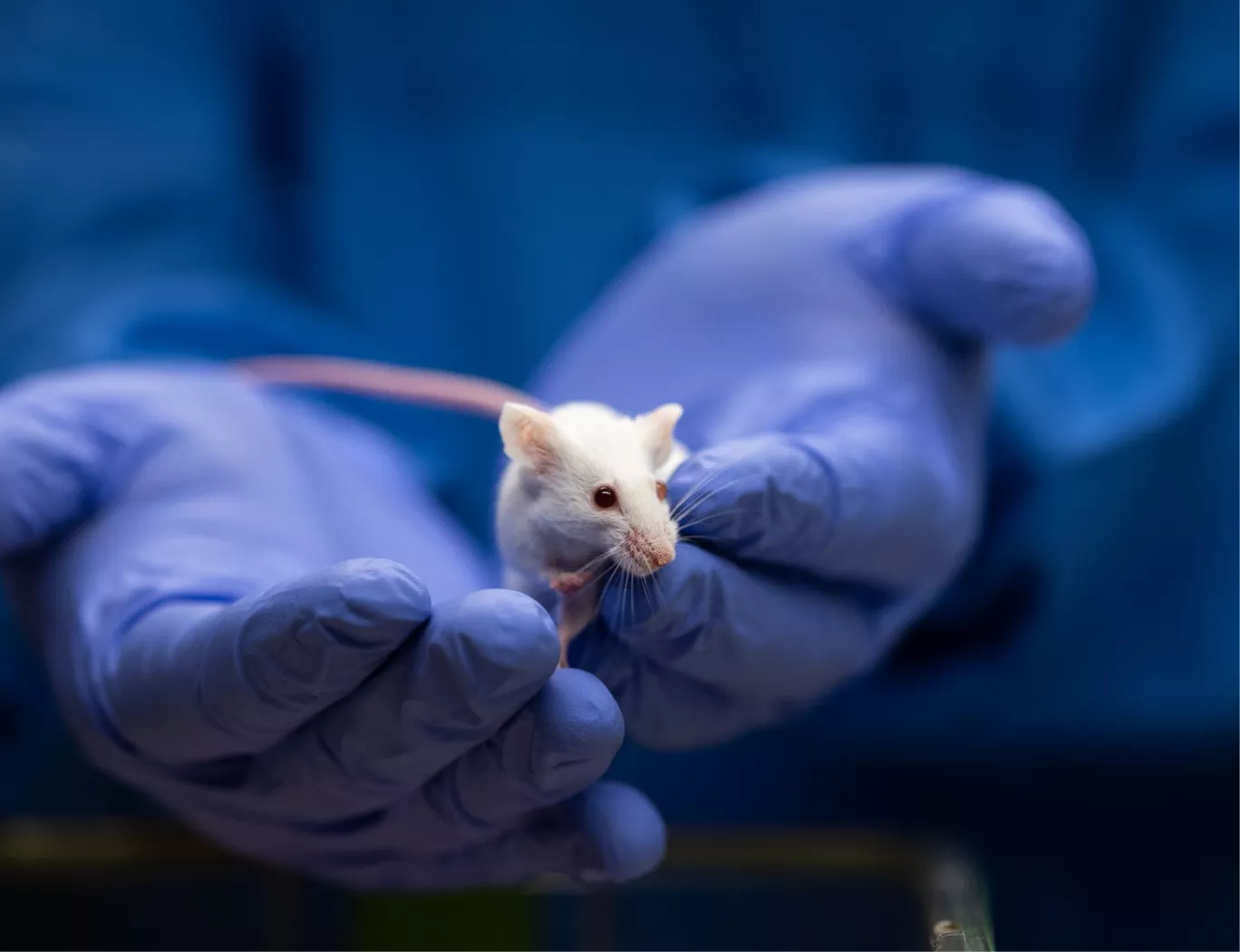
A close-up of a scientist in blue gloves gently holding a small, white laboratory mouse, likely in a research setting.

Methodological Framework for Stability Assessment

To generate defensible data for regulatory review, stability must be assessed under conditions that mimic the entire sample lifecycle. Our GxP-compliant programs evaluate key parameters to define precise handling and storage requirements. This approach ensures that the quantitative data from our assays reflects the true in vivo viral load.

Stability Parameter Assessment Protocol Rationale for Viral Shedding Studies
Freeze-Thaw Cycles Samples undergo multiple cycles of freezing at ≤ -70°C and thawing at room temperature. Simulates potential temperature excursions during sample shipment, aliquotting, and retrieval from storage.
Short-Term Stability Samples are held at ambient and refrigerated temperatures for defined periods. Determines acceptable benchtop handling times during sample processing and analysis setup.
Long-Term Stability Samples are stored at target temperatures (e.g., ≤ -70°C) for extended durations. Validates the maximum allowable storage period before analysis without compromising data integrity.

Integrating Stability Data with Therapeutic Efficacy Insights

Reliable stability data is foundational for interpreting advanced therapeutic outcomes. For instance, in vaccine development, quantifying the reduction of viral DNA in blood and tissues serves as a powerful surrogate for efficacy. As demonstrated in research on prime-boost vaccine strategies, the ability to accurately measure low levels of viral DNA is what allows researchers to discern the true impact of a therapeutic candidate (PMID: 33658998). Without validated sample stability, such subtle yet significant reductions in viral load could be missed, potentially leading to incorrect conclusions about a vaccine’s protective capacity.

A stylized rendering of a DNA double helix on the left side of a light blue gradient background.

GxP-Compliant Bioanalytical Programs

At our >100,000 sq ft facility, we execute these stability studies within a robust GxP framework designed to support accelerated development timelines. Our optimized workflows and bioanalytical capacity contribute to a typical 18-24 month IND timeline for our sponsors. Since the launch of the Franklin Biolabs brand in 2024, programs managed by our core scientific leadership have maintained a 100% IND success rate, a testament to our rigorous approach to data integrity.

Commitment to Animal Welfare

Our facilities and programs are fully accredited by AAALAC and registered with the USDA, ensuring the highest standards of ethical and humane treatment.

Scientific Process Diagram

This content is for informational purposes. For guidance specific to your therapeutic program, please contact our team for a consultation.