In Vivo Efficacy of AAV-DJ Serotypes for Liver-Directed Gene Replacement Therapy in Murine Models

PROVEN INTELLIGENCE ACCELERATING NEXT-GENERATION THERAPIES

In Vivo Efficacy of AAV-DJ Serotypes for Liver-Directed Gene Replacement Therapy in Murine Models

In Vivo Efficacy of AAV-DJ Serotypes for Liver-Directed Gene Replacement

CELL & GENE | RNA | BIOLOGICS

Proven Intelligence Accelerating Next-Generation Therapies.

A scientist in a lab coat and gloves looks through a microscope in a laboratory setting, with a blue color overlay.

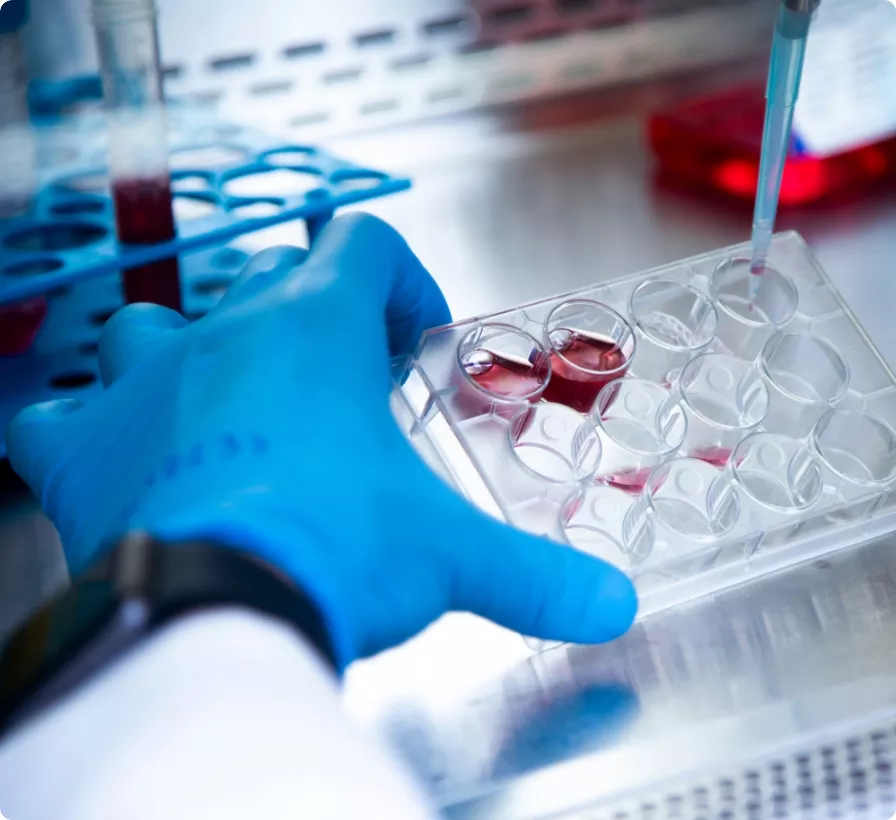
A scientist pipetting a red liquid into a multi-well plate in a laboratory setting.

Executive Summary

The technical approach for assessing AAV-DJ serotypes in rodent models for liver-directed gene replacement focuses on tailored in vivo study designs. These generate decision-enabling data for Investigational Medicinal Product Dossier (IMPD) and Investigational New Drug (IND) submissions. Our methodology integrates customized model development with GxP-compliant in-life phases and a full-service histology platform, all conducted within our >100,000 sq ft facility to support an 18-24 month candidate-to-IND timeline.

Frequently Asked Questions

    Why is AAV-DJ a serotype of interest for liver-directed therapies?

    AAV-DJ is a synthetic serotype created by DNA family shuffling of eight different AAV serotypes. It exhibits broad tropism with high transduction efficiency in the liver, making it a candidate for gene replacement strategies targeting hepatic metabolic disorders. Its profile can offer advantages over naturally occurring serotypes in specific contexts.

    What are the primary endpoints in a rodent efficacy study for this modality?

    Primary endpoints typically include quantification of transgene expression in liver tissue, measurement of functional protein activity in circulation, and assessment of downstream biomarker correction. Histology is used to confirm cellular-level changes and evaluate non-target tissue biodistribution.

    How does Franklin Biolabs tailor study design for AAV programs?

    A standard preclinical template does not exist for advanced therapeutics. We design each study based on the specific therapeutic hypothesis, target indication, and payload characteristics. This includes selecting the appropriate in vivo model (e.g., knockout, humanized), defining dose-response parameters, and establishing a phase-appropriate bioanalytical strategy.

A Data-Driven Approach to Serotype Evaluation

Selecting an optimal AAV capsid is a pivotal decision in program development. For liver-directed gene replacement, the vector must achieve sufficient transduction efficiency to produce a therapeutic level of the target protein without eliciting a counter-productive immune response. The AAV-DJ serotype, engineered for enhanced infectivity, requires a rigorous in vivo evaluation to confirm its efficacy profile for a specific genetic payload.

Our approach is to generate comparative data that directly informs clinical translation. By designing studies that assess not just transgene expression but also long-term functional correction, we provide a comprehensive data package. This principle is supported by historical findings where liver-directed AAV gene therapy demonstrated sustained correction of disease phenotypes and even resolved downstream cardiovascular lesions, confirming the potential for meaningful clinical benefit (PMID: 15637142, PMID: 25267637).

“We started collaborating with UPenn Vector core in 2023 and the AAV vector which they manufactured laid a foundation for development of a gene therapy candidate which will enter soon preclinical studies. The key people from UPenn Vector Core joined Franklin Biolabs and our partnership transitioned without interruption from UPenn Vecor Core to Franklin Biolabs Research Vector Division. Franklin Biolabs provides the scientific and operational continuity for our AAV-vector based gene therapy candidate development, and we hope to continue the partnership for years to come.”
— Biotech Partner

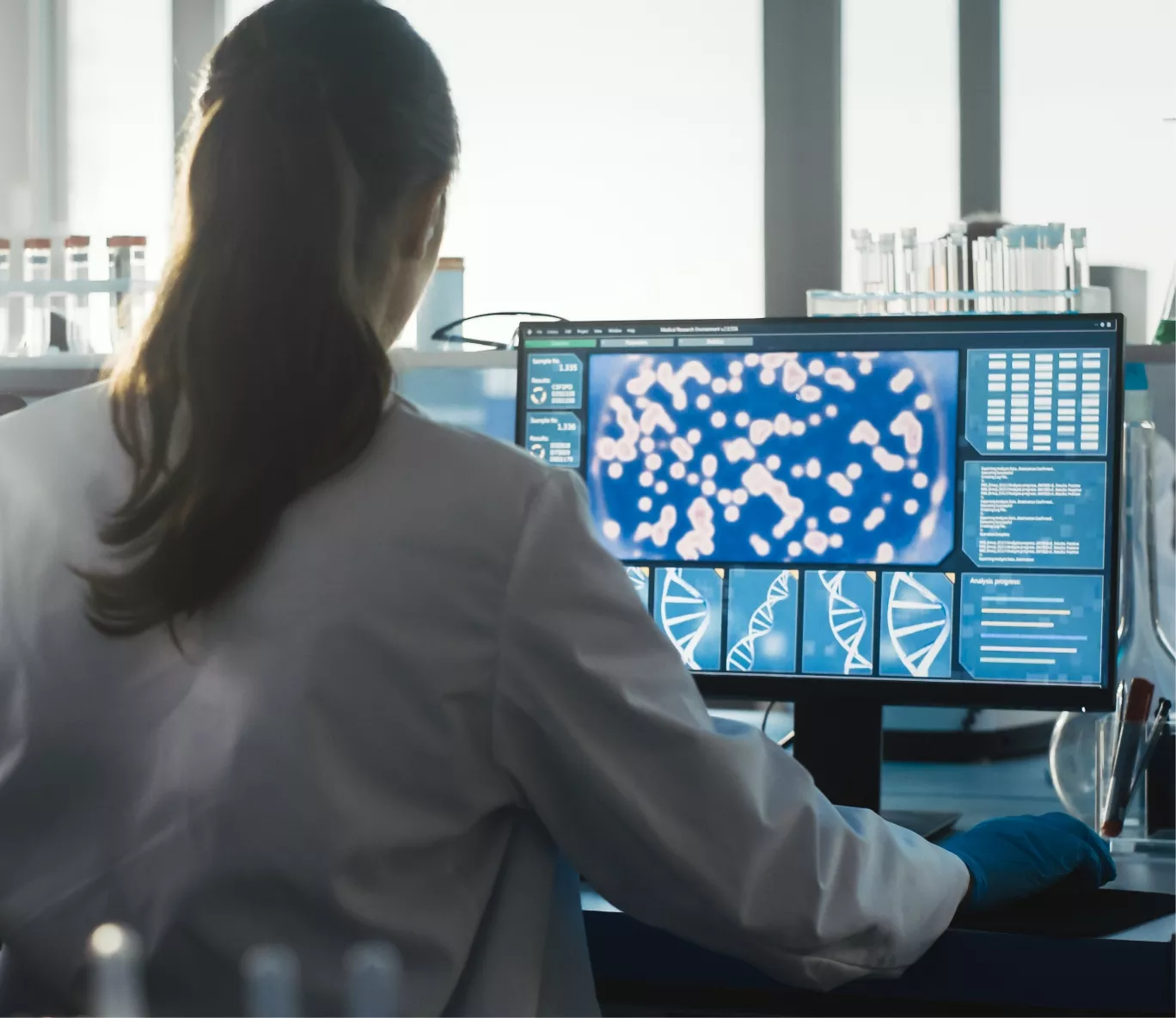
A female scientist in a lab coat analyzes complex biological data, including cellular imagery and DNA models, on a computer screen.

A senior scientist with grey hair is mentoring a diverse group of younger scientists or students in a laboratory setting.

Integrated In Vivo Services for AAV Programs

Executing these studies requires a coordinated platform. Our in vivo services are designed to minimize variability and provide clear, reproducible data for regulatory submissions to agencies including the FDA and EMA.

  • Custom Model Development: We support the use of established or customized rodent models that accurately recapitulate the human disease state.

  • GxP-Compliant Execution: All IND-enabling studies are performed under GxP conditions, with QA oversight ensuring data integrity. While our 100% successful IND rate since 2019 was established under our scientific leadership’s prior tenure, the Franklin Biolabs brand, launched in 2024, continues this legacy of quality.

  • Integrated Histology and Pathology: Our full-service histology platform is co-located with our in vivo facilities. This allows for streamlined tissue collection, processing, and analysis, preventing data fragmentation between study phases.

  • Phase-Appropriate Bioanalysis: We develop and qualify assays to measure vector shedding, transgene expression, and immunogenicity in a manner appropriate for the development stage.

Animal Welfare and Program Integrity

Our commitment to animal welfare is certified by our adherence to AAALAC and USDA guidelines. This includes a robust program centered on the 3Rs Principle (Replacement, Reduction, and Refinement), featuring enhanced housing conditions and cognitive enrichment programs that support the generation of high-quality, reproducible scientific data.

Our scientific work is built on a foundation of ethical and responsible research practices. For sponsors based in Switzerland and across the EU, this commitment ensures that all data generated for ATMP submissions meets the highest international standards.

This page provides a high-level overview. For a detailed discussion of your specific AAV program, please contact our scientific team. You can also learn more about our broader capabilities on our parent Preclinical | Translational Services page.

A senior scientist leads a discussion with a group of diverse junior scientists in a bright, modern laboratory setting.

Technical Visualization: AAV Efficacy Study Workflow

Scientific Process Diagram

This content is for informational purposes. For guidance specific to your therapeutic program, please contact our team for a consultation.