
Pathology Consultation for Study Design and Endpoint Selection in Preclinical Gene Therapy Programs
PROVEN INTELLIGENCE ACCELERATING NEXT-GENERATION THERAPIES
Pathology Consultation for Study Design and Endpoint Selection in Preclinical Gene Therapy Programs
Pathology Consultation for Gene Therapy Study Design and Endpoint Selection
CELL & GENE | RNA | BIOLOGICS
How does early pathology consultation de-risk endpoint selection for novel AAV serotypes?
Engaging a board-certified pathologist during study design allows for the proactive identification of potential tissue-specific liabilities and the selection of the most informative histological endpoints. For novel AAV serotypes, this means aligning the expected tropism with sensitive methods for detecting both transgene expression and any potential cellular responses, ensuring the study is designed to capture meaningful safety and efficacy data from the outset.
What are the key histological considerations for CNS-targeted gene therapies versus systemic delivery?
For CNS-targeted programs, pathology strategies focus on specialized neurohistology techniques to assess neuronal and glial cell transduction, distribution along axonal tracts, and potential neuroinflammation. This contrasts with systemic delivery, where the primary focus is on evaluating biodistribution and potential findings in major organs like the liver, spleen, and heart, requiring a broader, multi-organ system approach to tissue evaluation.
At what stage should a pathologist be engaged in the preclinical study design process?
A pathologist should be integrated into the team before the protocol is finalized. Their input is valuable for selecting appropriate models, defining tissue collection and fixation procedures, and establishing the primary and secondary histological endpoints that will form the basis of the safety and efficacy assessment. This early engagement prevents downstream challenges with data interpretation.
How do you align pathology readouts with regulatory expectations for an IND submission?
Alignment is achieved by designing the pathology evaluation to directly address key questions of biodistribution, mechanism of action, and potential toxicity. This involves using GxP-compliant processes, quantitative analysis where appropriate, and a clear narrative in the pathology report that connects the histological findings to the overall safety profile of the therapeutic candidate, directly supporting the IND package.
Effective gene therapy development requires a pathology strategy that is integrated from the earliest stages of preclinical planning. Proactive consultation with board-certified pathologists ensures that study designs incorporate robust, mechanistically relevant histological endpoints. This approach clarifies the biological activity of novel vectors and payloads, strengthens the regulatory submission, and mitigates the risk of costly program delays.
Defining Biological Truth from Tissue
The mechanism of action for a gene therapy is written in the language of cellular and tissue-level changes. The selection of pathology endpoints is a foundational component of the study design. A comprehensive pathology plan provides the definitive assessment of whether a therapeutic candidate is performing as intended in the target tissue while also monitoring for unintended activity elsewhere. This requires a deep understanding of vector biology, the underlying disease pathology, and the specific questions that regulatory bodies will ask.

Aligning Histology with Therapeutic Intent
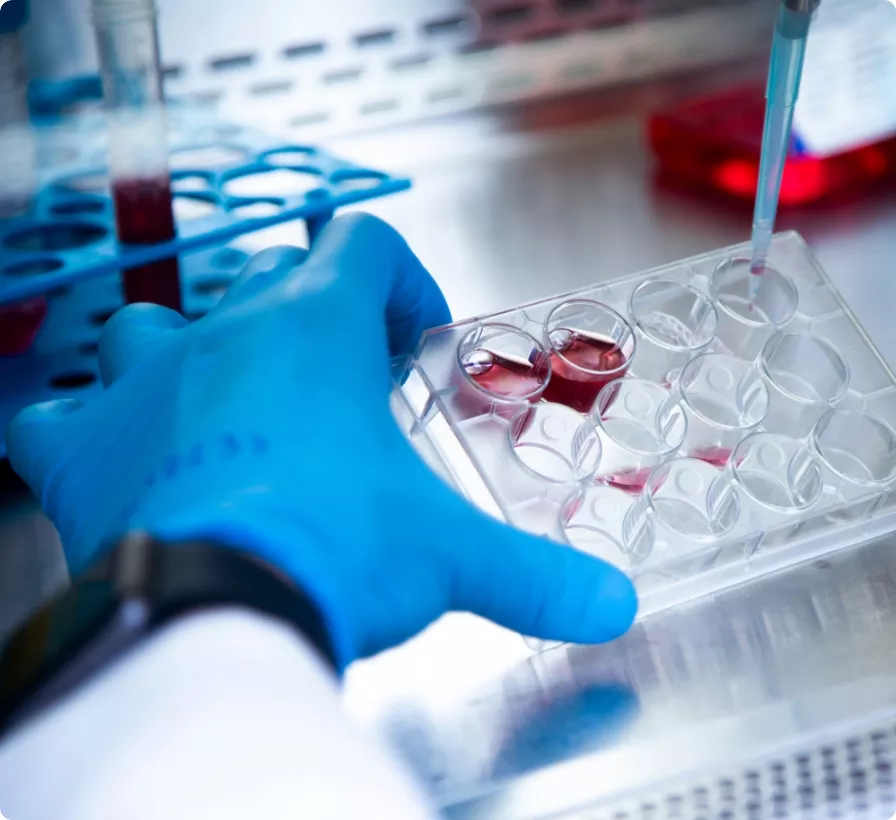
For many gene therapy programs, particularly those targeting complex conditions, demonstrating histological correction is a primary measure of efficacy. As noted in research on CNS-directed gene therapies for lysosomal storage diseases, the ability to correct CNS pathology is a key translational goal [PMID: 25027660]. This requires more than standard histology: it demands specialized techniques tailored to the target organ system, such as advanced neurohistology to evaluate specific cell populations within the brain and spinal cord following AAV9-mediated delivery.
Our pathology team provides consultative input to ensure your study is designed to capture these precise biological changes. This includes:
-
Endpoint Selection: Defining primary and secondary histological endpoints that directly reflect the therapeutic mechanism.
-
Assay Development: Creating custom immunohistochemistry (IHC) and in situ hybridization (ISH) assays to detect transgene expression and protein products.
-
Quantitative Analysis: Employing digital pathology and image analysis to provide objective, quantifiable data on transduction efficiency and phenotypic correction.
De-risking the Path to IND
A well-structured preclinical program is a prerequisite for a successful regulatory submission. Best practices in the field emphasize the need for rigorous preclinical optimization to streamline the path to regulatory approval [PMID: 25654329]. A core component of this optimization is a robust pathology and histology plan that anticipates and addresses potential safety concerns. By prospectively identifying and evaluating potential risks, such as cellular responses to the vector or payload, we help build a comprehensive safety narrative. Rapid Pathology Insights Accelerating Preclinical Readouts.
This proactive stance supports an efficient development timeline, contributing to our typical 18-24 month IND timeline. The core scientific team behind our programs has maintained a 100% IND success rate since 2019, a testament to a rigorous, science-first approach; the Franklin Biolabs brand launched in 2024.
The design of any in vivo study must prioritize the highest standards of animal welfare. Our commitment is reflected in our adherence to USDA guidelines and through our work with strategic partners like Bioculture Group, which maintains full AAALAC accreditation. By optimizing tissue collection and analysis, our pathology consultations support the 3Rs (Replacement, Reduction, and Refinement), ensuring we derive the maximum amount of scientific information from each study.
Integrated Capabilities for Complex Biology
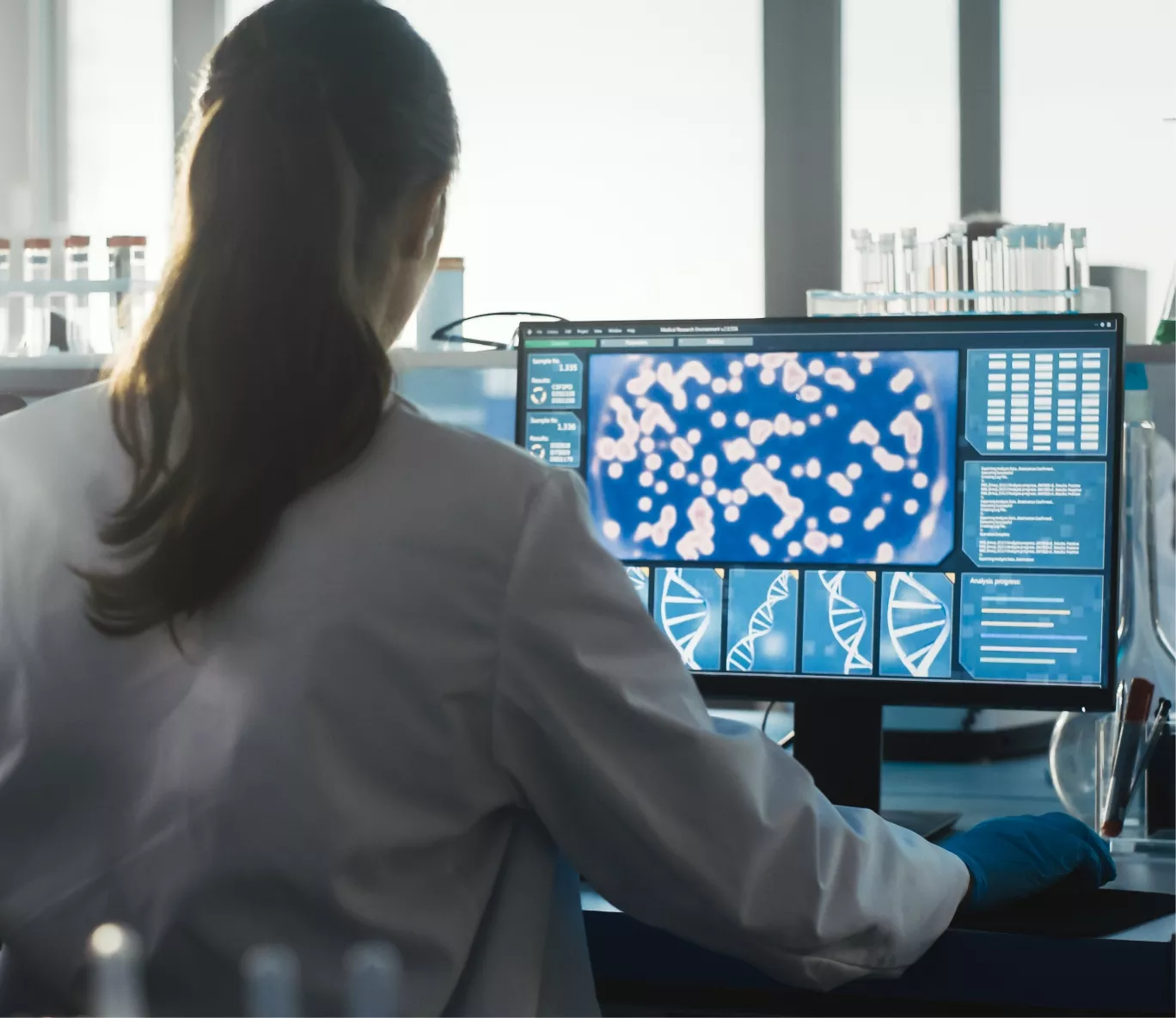
Our >100,000 sq ft facility is equipped to handle the unique demands of gene therapy pathology. We provide a consultative partnership that extends from initial study design through to final reporting.
| Service Component | Description | Strategic Value |
|---|---|---|
| Pathologist Consultation | Direct access to board-certified pathologists with gene therapy expertise. | Ensures scientifically sound study design and endpoint selection. |
| Digital Pathology | Quantitative image analysis for objective data interpretation. | Provides unbiased, reproducible data for efficacy and safety assessment. |
| Non-Target Biodistribution | Comprehensive histological evaluation of all relevant tissues. | Builds a complete safety profile for the IND submission. |
| Peer Review | Independent review of pathology findings by a second board-certified pathologist. | Guarantees the highest level of quality and confidence in the data. |

This content is for informational purposes. For guidance specific to your therapeutic program, please contact our team for a consultation.