Pathology Services Capabilities

PROVEN INTELLIGENCE ACCELERATING NEXT-GENERATION THERAPIES

Pathology Services Capabilities

High-Resolution Pathology Expertise for Advanced Modalities.

CELL & GENE | RNA | BIOLOGICS

Integrated Pathology for Advanced Therapeutic Programs

Our pathology services provide the tissue-level analysis required to de-risk advanced therapeutics and complex biologics. Applying proven intelligence in preclinical pathology accelerates next-generation therapies by generating definitive, submission-ready data packages for the FDA, EMA/MHRA, and other global regulatory bodies, that clarify biodistribution, transgene expression, and potential off-target effects under GLP conditions.

A senior scientist leads a discussion with a group of diverse junior scientists in a bright, modern laboratory setting.

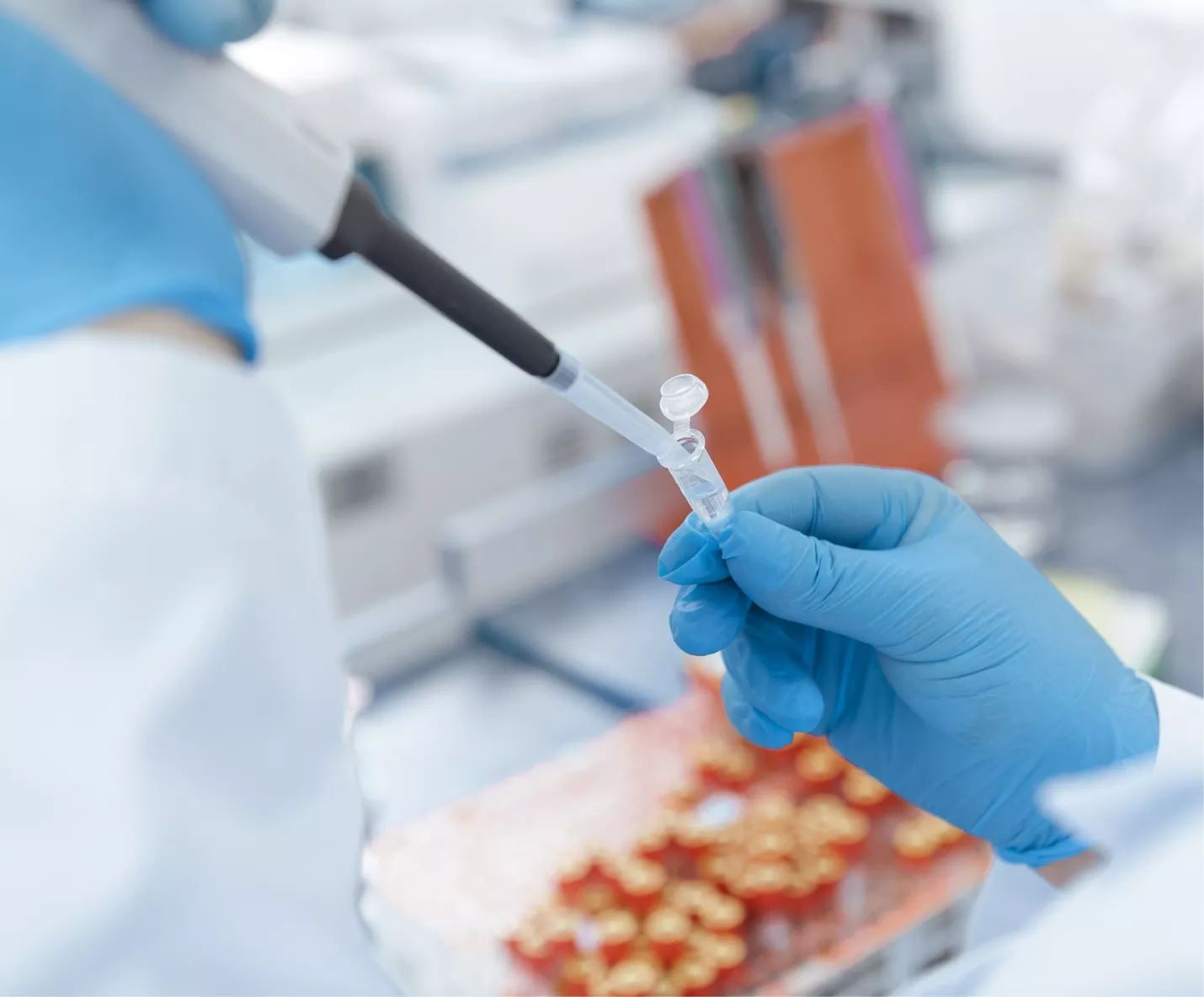
A close-up shot of a scientist in a lab coat and blue gloves using a micropipette to transfer a liquid sample into a small test tube.

Clarifying Biodistribution and Transgene Expression

The translation of preclinical biodistribution findings to clinical outcomes presents a known challenge for many novel delivery systems. Preclinical safety evaluations must incorporate highly sensitive methods to confirm on-target activity and map potential liabilities with precision. Our platform integrates classical histopathology with advanced molecular techniques to build a comprehensive tissue-level understanding of a therapeutic candidate’s biological activity.

This approach is tailored for the specific questions posed by RNA payloads, viral vectors, and cell-based modalities.

Foundational Histopathology Capabilities

Our core histopathology capabilities provide the foundational dataset for any safety assessment:

  • GLP-Compliant Necropsy: Customized tissue collection protocols, including perfusion and fixation techniques optimized for relevant large animal and rodent models, designed to preserve tissue integrity for downstream molecular analysis.
  • Tissue Processing & Sectioning: Expertise in preparing both formalin-fixed, paraffin-embedded (FFPE) and frozen (OCT) blocks to support a wide array of analytical methods.
  • Routine & Special Stains: A full panel including Hematoxylin and Eosin (H&E), Masson’s Trichrome, Sirius Red, Oil Red O, Luxol Fast Blue, and Periodic Acid-Schiff (PAS) to evaluate tissue architecture and identify morphological changes.
  • Immunostaining (IHC & IF): Customized antibody panels for immunohistochemistry and immunofluorescence to localize transgene protein expression and characterize immune cell infiltration within the tissue microenvironment.

A close-up of a gloved hand handling PCR tubes with blue liquid in a laboratory rack, with a blue color overlay.

A close-up of a Pall Corporation single-use bioreactor system in a cleanroom environment, showing the control panel, vessel with cell culture media, and tubing.

Advanced Molecular Pathology Platforms

For genetic therapies, visualizing the therapeutic agent and its payload is a primary objective. We utilize advanced molecular pathology platforms to provide direct evidence of vector tropism and RNA expression with subcellular resolution. This moves beyond simple protein expression to confirm the mechanistic activity of the therapeutic agent.

  • Multiplex In Situ Hybridization (ISH): Extensive experience with the Advanced Cell Diagnostics (ACD) RNAscope™ platform to detect vector DNA and RNA transcripts (e.g., mRNA, gRNA, siRNA) directly in tissue sections. This provides unambiguous, spatially resolved data on biodistribution.
  • Digital Pathology & Quantitative Analysis: High-resolution whole-slide imaging (WSI) converts stained slides into digital assets. This enables objective, algorithm-driven image analysis to quantify biomarker expression, measure lesion size, or count specific cell populations, reducing the subjectivity of manual scoring.
  • Pathologist Review: All findings are interpreted by board-certified pathologists with experience in non-GLP discovery and GLP-compliant toxicology programs, delivering integrated reports suitable for regulatory submissions.

By combining these methods, we construct a complete narrative of a therapeutic’s effect at the tissue level. This integrated strategy reflects the approach our core scientific team used to achieve a 100% successful IND rate for client programs since 2019. Now operating as Franklin Biolabs since our 2024 launch, we provide sponsors with the clear, defensible data needed to advance programs from candidate selection to clinical investigation in 18-24 months.


Featured Resource: Responsibility and Animal Welfare

This video details Franklin Biolabs’ commitment to animal care and welfare, highlighting our adherence to international guidelines and the three Rs (Reduce, Refine, Replace) of animal research.

Scientific Process Diagram

This content is for informational purposes. For guidance specific to your therapeutic program, please contact our team for a consultation.