CDMO Auditing and Selection for Gene Therapy Manufacturing within the EMEA Region

PROVEN INTELLIGENCE ACCELERATING NEXT-GENERATION THERAPIES

CDMO Auditing and Selection for Gene Therapy Manufacturing within the EMEA Region

CDMO Auditing and Selection for Viral Vector Manufacturing in EMEA

CELL & GENE | RNA | BIOLOGICS
Proven Intelligence Accelerating Next-Generation Therapies.

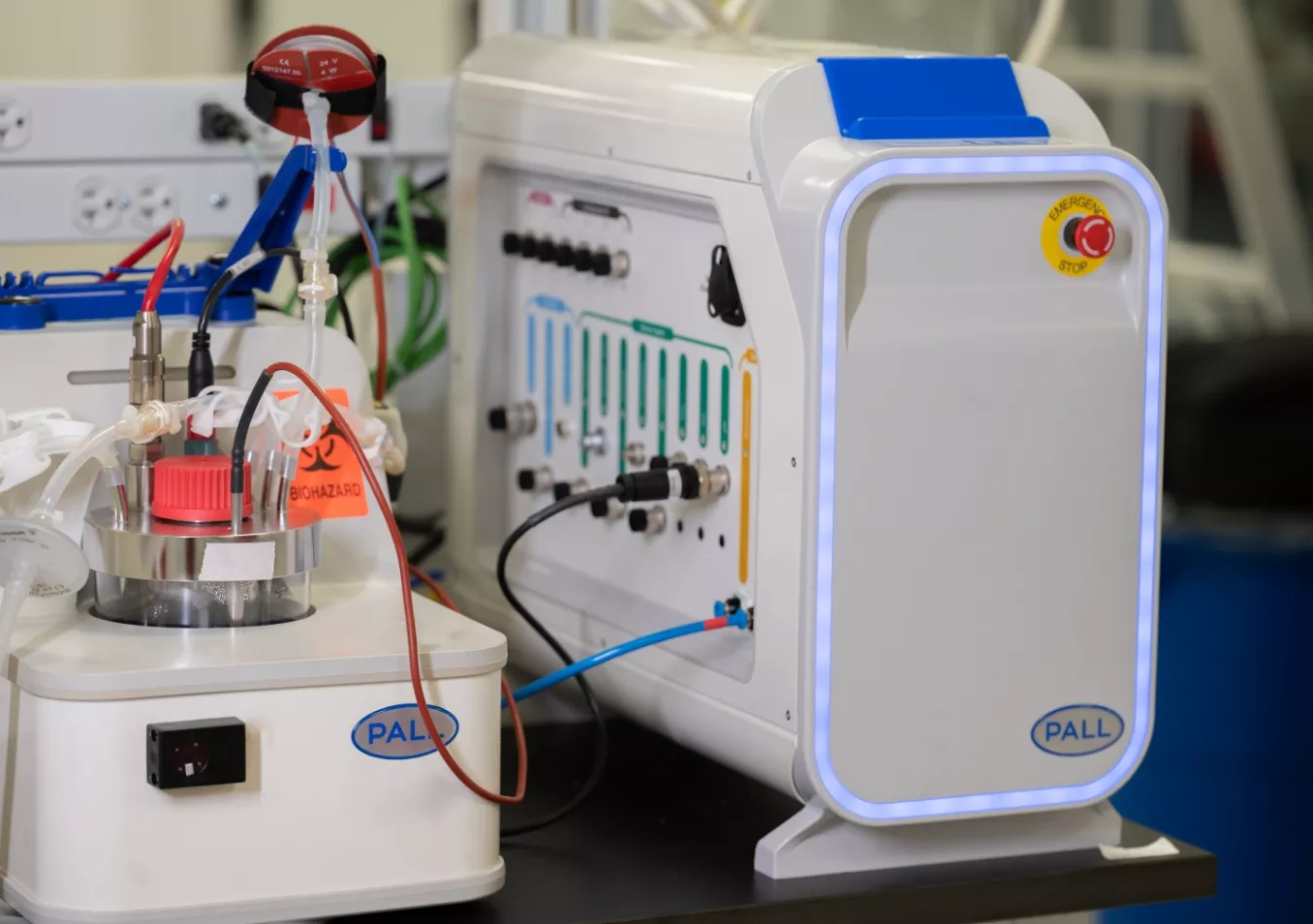
A close-up shot of a modern bioreactor system and control unit from Pall Corporation in a clean laboratory environment.

A stylized 3D rendering of a DNA double helix, composed of light-colored spheres on a translucent blue backbone, set against a soft-focus, light blue background.

Executive Summary

Selecting a manufacturing collaborator for AAV, lentivirus, or adenovirus vectors requires a technical audit that extends beyond facility templates. The process must verify a potential organization’s deep scientific expertise in viral vector biology, their capacity for scalable suspension processes, and their documented experience with European regulatory bodies like the MHRA. A successful technology transfer hinges on a comprehensive data package, robust analytical methods, and a shared scientific understanding of the product’s specific quality attributes. This ensures that the manufacturing process established for preclinical work can be faithfully replicated and scaled under GxP conditions, supporting an 18-24 month timeline to IND or IMPD submission.

Frequently Asked Questions

    What defines a robust technology transfer package for an AAV vector?

    A robust package includes detailed process descriptions for upstream (cell culture) and downstream (purification) steps, a full analytical dossier with qualified assays for identity, purity, and potency, and comprehensive documentation on all raw materials and plasmid constructs. It provides a complete scientific and operational blueprint of the manufacturing process.

    How does European (MHRA) regulatory focus differ from the FDA’s for viral vector CMC?

    While both agencies prioritize product quality, MHRA submissions (as part of an IMPD) often place a strong emphasis on the control of starting materials, including plasmids, and require detailed justification for the viral vector manufacturing process. A prospective CDMO must demonstrate specific experience navigating these requirements.

    What are the primary risks in scaling from a 50L to a 500L+ suspension run?

    The primary risks involve maintaining process consistency and product quality. Challenges include ensuring uniform cell density and transfection efficiency, managing shear stress, and adapting downstream purification columns and filtration systems to handle the increased volume without compromising vector recovery or purity.

Auditing Beyond the Facility

Identifying a suitable manufacturing organization for your viral vector program in Europe is a scientific due diligence exercise. The audit must confirm that a potential collaborator possesses the specific technical acumen to manage the complexities of biological production. This includes evaluating their historical performance with specific AAV serotypes (e.g., AAV8, AAV9), lentiviral vectors, or high-capacity adenoviral platforms.

The evaluation should focus on the scientific team’s ability to troubleshoot common production issues, such as inconsistent vector titers or high empty-to-full capsid ratios. A prospective collaborator’s value is demonstrated through this scientific depth, which complements their GxP-compliant cleanroom space.

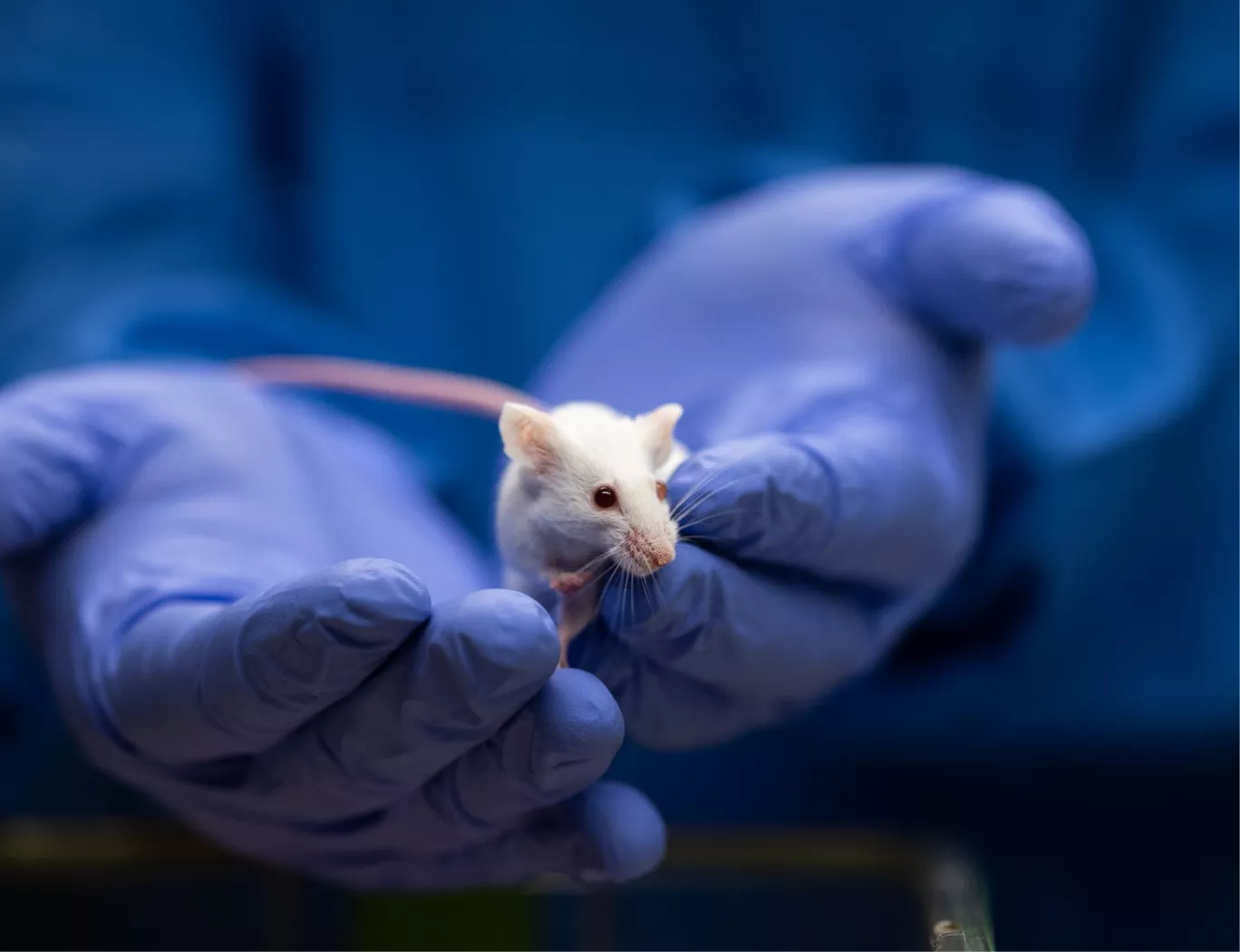
A close-up of a scientist in blue gloves gently holding a small, white laboratory mouse, likely in a research setting.

The Technology Transfer Dossier

A successful transfer is built on a foundation of high-quality data. The goal is to equip the receiving manufacturing team with a complete understanding of the process and the product.

Key components include:

  • Upstream Process: Detailed protocols for cell expansion, transfection or infection parameters, and harvest procedures.

  • Downstream Process: Step-by-step descriptions of lysis, clarification, chromatography, and formulation.

  • Analytical Methods: Fully specified and qualified assays to measure vector genome titer, capsid titer, purity, and product-specific potency.

  • Plasmid & Raw Material Specs: Complete documentation and specifications for all starting materials.

This comprehensive package forms the basis for a manufacturing strategy designed for regulatory acceptance, enabling a seamless tech transfer accelerating GMP readiness.


Manufacturing and Analytical Alignment

The manufacturing process directly influences the final product’s biological activity and safety profile. For instance, process-related impurities can potentially heighten host immune responses to a therapeutic transgene, a consideration highlighted in assessments of CFTR gene therapy (PMID: 17218617). A CDMO must demonstrate robust analytical capabilities to detect and control these impurities throughout the production process.

A successful preclinical program, such as the AAV8-mediated correction of a metabolic disorder (PMID: 30253962), creates the immediate need for a scalable and reproducible manufacturing platform. The scientific proof-of-concept must be translated into a GxP-compliant process capable of supplying material for clinical evaluation. This requires a scientific extension who can bridge the gap between research-scale production and large-scale GxP manufacturing.

This transition requires a partner with demonstrated, comprehensive knowledge across all aspects of vector production and analytics.

A stylized rendering of a DNA double helix on the left side of a light blue gradient background.

Franklin Biolabs’ GxP Readiness Support

Our approach is built on the scientific lineage of the University of Pennsylvania’s Vector Core, which has supported programs leading to a 100% IND success rate since 2019. Franklin Biolabs, launched in 2024, continues this legacy within a >100,000 sq ft facility designed for preclinical and analytical services. We provide the deep scientific and process development expertise needed to prepare your viral vector program for a successful transfer to a GxP manufacturing environment, ensuring your CMC package is built on a foundation of sound science.

Technical Visualization: Viral Vector Tech Transfer & GxP Readiness Workflow

Scientific Process Diagram

This content is for informational purposes. For guidance specific to your therapeutic program, please contact our team for a consultation.