Plasmid DNA Services for AAV-Based Vaccines and Gene Therapies Developed in the Basel Area

PROVEN INTELLIGENCE ACCELERATING NEXT-GENERATION THERAPIES

Plasmid DNA Services for AAV-Based Vaccines and Gene Therapies Developed in the Basel Area

Plasmid DNA Services for AAV Gene Therapies

CELL & GENE | RNA | BIOLOGICS
Proven Intelligence Accelerating Next-Generation Therapies.

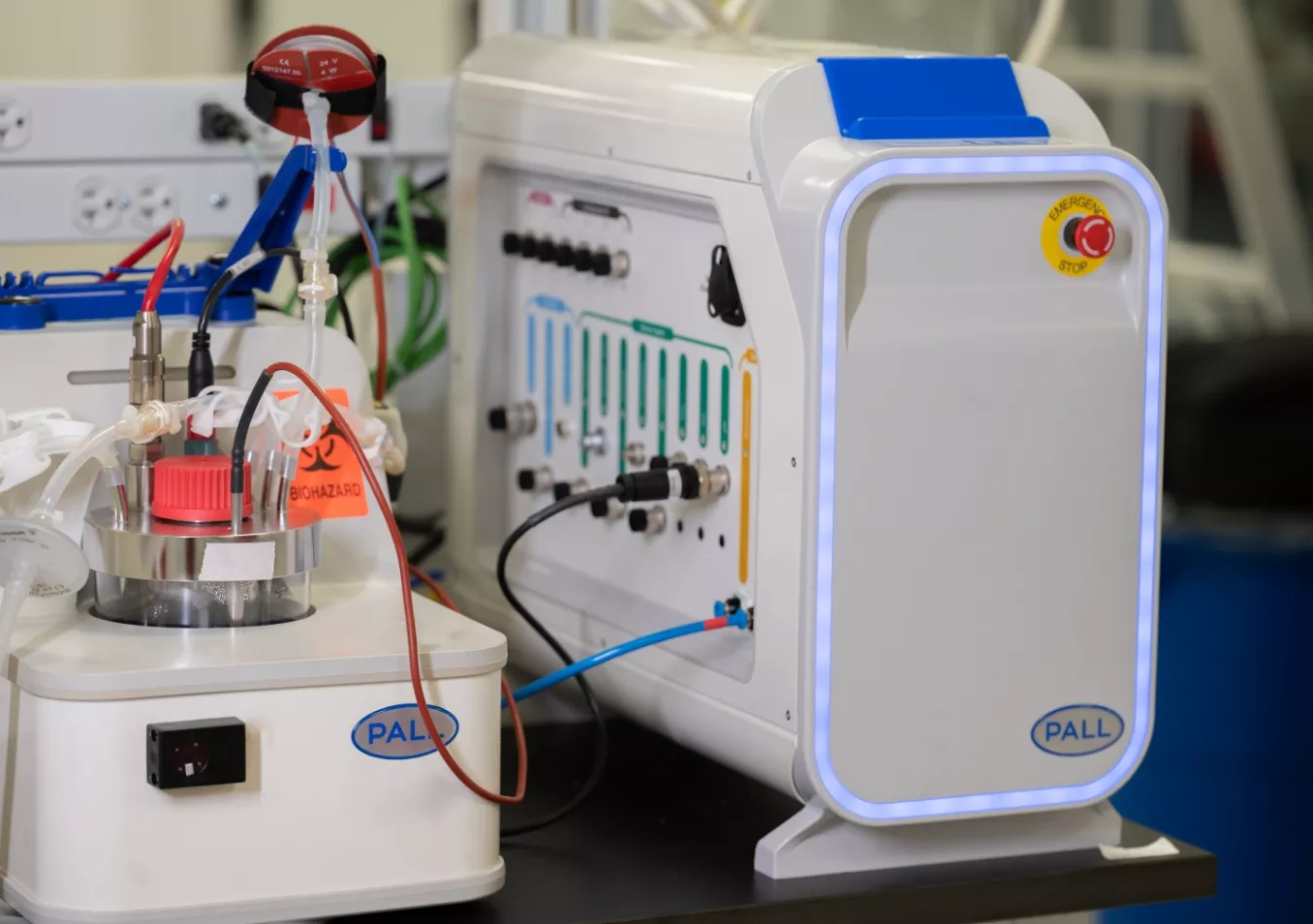
A close-up shot of a modern bioreactor system and control unit from Pall Corporation in a clean laboratory environment.

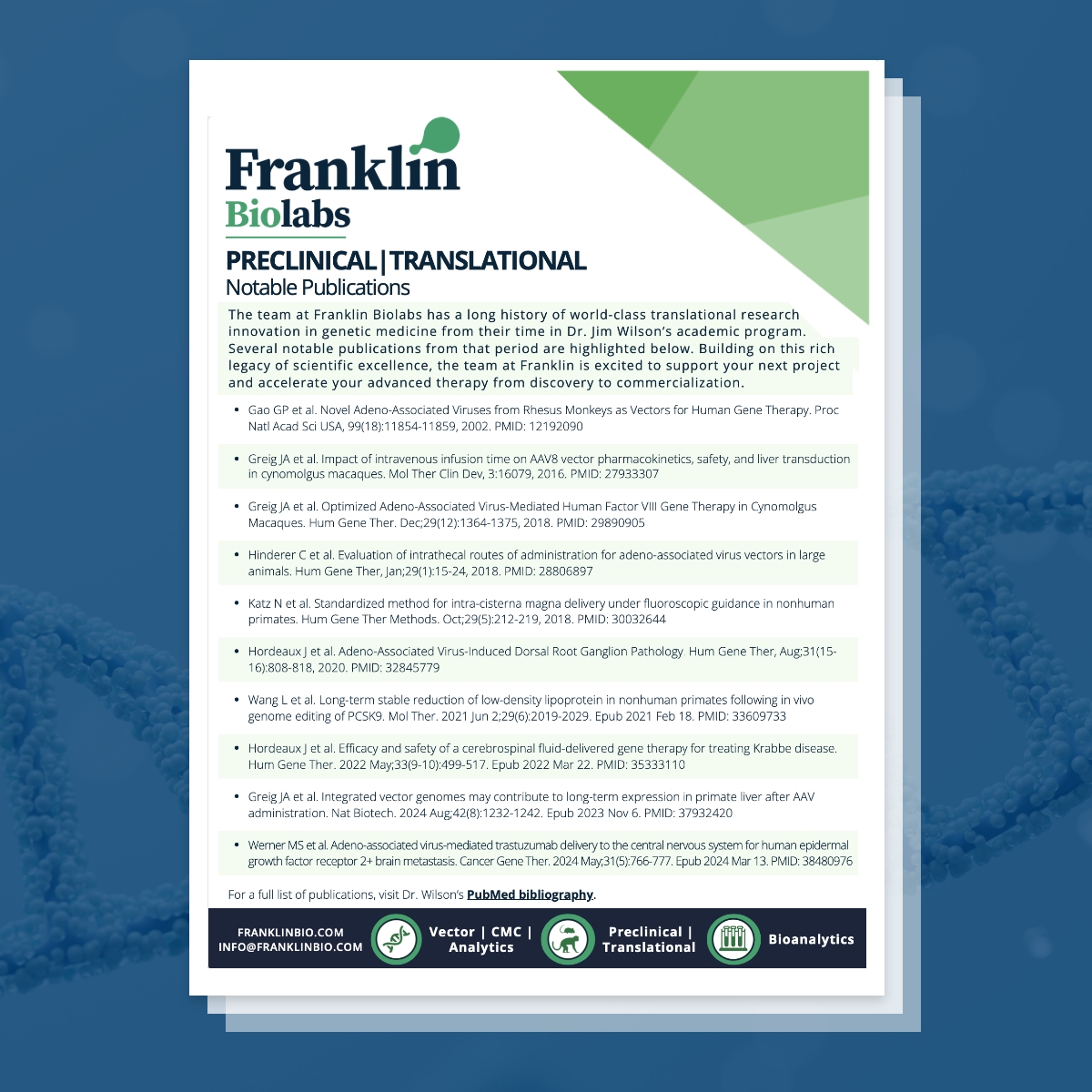
A stylized 3D rendering of a DNA double helix, composed of light-colored spheres on a translucent blue backbone, set against a soft-focus, light blue background.

Executive Summary

Technical specifications for research and GxP-compliant plasmid DNA manufacturing are designed to support AAV-based gene therapy programs from discovery through Investigational Medicinal Product Dossier (IMPD) submissions. The process covers plasmid design, scalable production within our >100,000 sq ft facilities, and the analytical characterization required to de-risk downstream AAV vector manufacturing. A reliable source of high-quality starting material is a known variable in accelerating 18-24 month IND timelines.

Frequently Asked Technical Questions

    What plasmid quality grades are available?

    We provide multiple grades of plasmid DNA, including Research Grade for discovery and toxicology programs, and a GxP-compliant grade suitable as a starting material for GMP AAV vector production.

    What is the typical production timeline?

    Timelines are established based on program-specific requirements, production scale, and analytical complexity.

    Which analytical tests are performed for plasmid release?

    Our standard QC panel includes A260/280 spectrophotometry for concentration and purity, restriction enzyme digest for identity, and Sanger sequencing for sequence verification. Additional assays for endotoxin levels and supercoiled percentage are available.

    Can you accommodate custom plasmid designs?

    Yes. Our services include consultation on plasmid design and optimization, covering elements like codon optimization, promoter selection, and polyadenylation signal integration to maximize transgene expression and vector packaging efficiency.

Foundational Genomic Material for AAV Vector Production

The integrity and purity of plasmid DNA is a primary determinant of final AAV vector quality. Inconsistent plasmid preparations introduce variability into the manufacturing process, impacting vector titers, empty/full capsid ratios, and the presence of impurities that can confound preclinical data. A robust plasmid supply chain is the first step in building a scalable and reproducible CMC program for viral vectors.

Our approach is built on decades of experience producing vectors for academic and industry investigators. The Franklin Biolabs team, which includes the core scientific leadership from the UPenn Vector Core, has supported programs that achieved a 100% successful IND rate since 2019, with the Franklin Biolabs brand itself launching in 2024 to expand these capabilities.

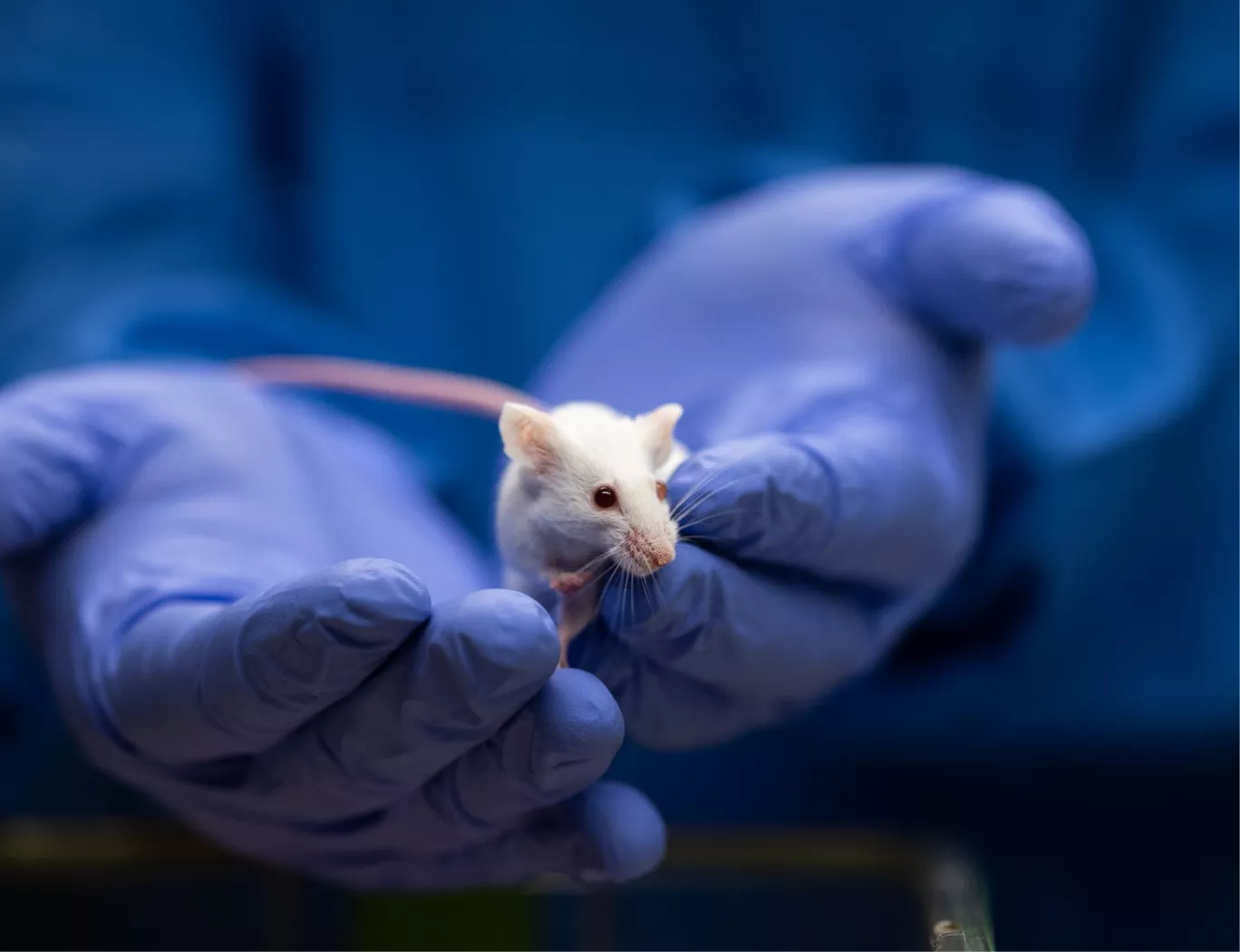
A close-up of a scientist in blue gloves gently holding a small, white laboratory mouse, likely in a research setting.

Plasmid Design and Analytical Verification

A tailored preclinical strategy requires starting materials that are rigorously defined. This begins with optimizing the plasmid backbone and transgene cassette for the specific AAV serotype and target indication.

  • Sequence Verification: Full-plasmid sequencing confirms the integrity of the ITRs, promoter, transgene, and polyA signal, ensuring the correct genetic information is packaged.

  • Purity Analysis: Assays quantify the percentage of supercoiled plasmid, the biologically active form required for efficient vector production, while minimizing open-circular and linear forms.

  • Contaminant Testing: Rigorous testing for residual host cell DNA, protein, and endotoxin is performed to reduce the impurity burden carried into downstream processing.

This level of characterization is directly relevant to managing the complex biological outcomes of in vivo gene transfer. For example, pre-existing immunity can alter vector biodistribution and transduction efficiency (PMID: 19888196). Similarly, inducing immunological tolerance to a transgene product requires a highly consistent vector, which can be traced back to the quality of the initial plasmid DNA (PMID: 26022732). Any impurities or inconsistencies in the plasmid starting material can introduce variables that affect these delicate immunological interactions.

“We started collaborating with UPenn Vector core in 2023 and the AAV vector which they manufactured laid a foundation for development of a gene therapy candidate which will enter soon preclinical studies. The key people from UPenn Vector Core joined Franklin Biolabs and our partnership transitioned without interruption from UPenn Vecor Core to Franklin Biolabs Research Vector Division. Franklin Biolabs serves as a key collaborator in our AAV-vector based gene therapy candidate development and we hope to continue the partnership for years to come.”
— Biotech Partner

Supporting Programs with Regulatory Alignment

For biotech sponsors targeting European regulatory pathways, aligning preclinical manufacturing with agency expectations is a primary objective. Our GxP-compliant plasmid DNA production provides the documentation and material traceability required for IMPD submissions to European authorities. We provide phase-appropriate manufacturing that builds a coherent data package from early non-clinical work through to first-in-human readiness.

Technical Visualization: Plasmid DNA Service Workflow

Scientific Process Diagram

This content is for informational purposes. For guidance specific to your therapeutic program, please contact our team for a consultation.