Protocol and Report Documentation for AAV8 Vector Characterization Assays in EMEA

PROVEN INTELLIGENCE ACCELERATING NEXT-GENERATION THERAPIES

Protocol and Report Documentation for AAV8 Vector Characterization Assays in EMEA

CELL & GENE | RNA | BIOLOGICS

A stylized 3D rendering of a DNA double helix, composed of light-colored spheres on a translucent blue backbone, set against a soft-focus, light blue background.

Proven Intelligence Accelerating Next-Generation Therapies.

Executive Summary

For AAV8-based therapeutic programs targeting European markets, the quality of protocol and report documentation for characterization assays is a primary determinant of a successful Investigational Medicinal Product Dossier (IMPD) submission. Inconsistent or incomplete documentation introduces significant regulatory risk and can delay timelines. This asset outlines the required framework for generating audit-ready documentation for AAV8 analytics, ensuring alignment with MHRA and EMA expectations.

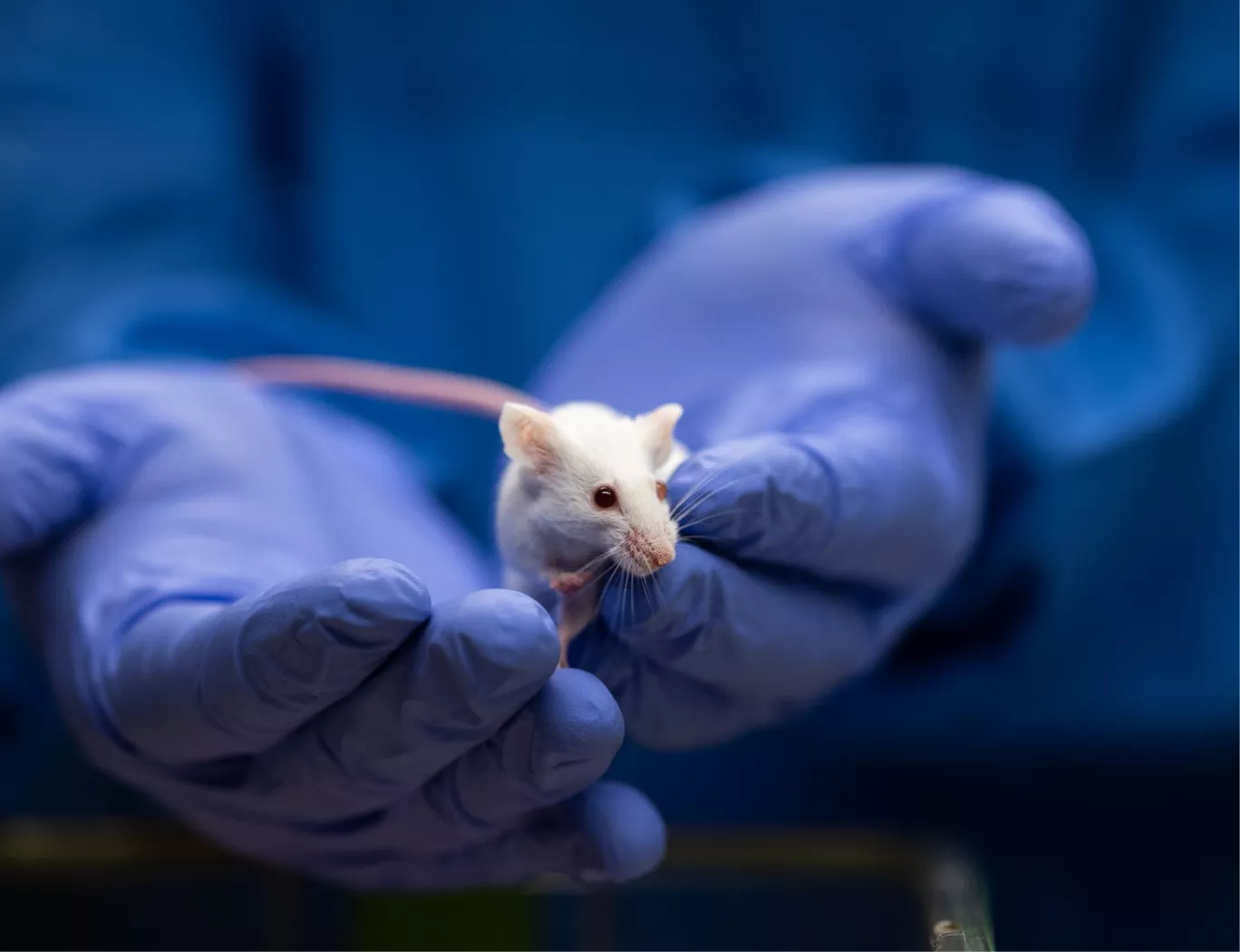
A close-up of a scientist in blue gloves gently holding a small, white laboratory mouse, likely in a research setting.

Frequently Asked Questions

    What is the primary difference in documentation for EMEA vs. FDA submissions?

    While both agencies require rigorous data, the IMPD format used in Europe has specific structural expectations for CMC sections. Documentation must be explicitly tailored to the Quality Overall Summary (QOS) and body of data sections of the Common Technical Document (CTD) format that the IMPD utilizes.

    Which characterization assays require the most detailed protocols for AAV8?

    Potency assays, analytical ultracentrifugation (AUC) for full/empty capsid ratio, and host cell protein residual assays demand highly detailed, version-controlled protocols. The rationale for analytical method selection and qualification status must be clearly articulated.

    How are assay deviations documented for regulatory review?

    All deviations from an approved protocol must be documented in real-time with a corresponding investigation report that includes a root cause analysis and impact assessment. This entire record becomes part of the final GxP data package.

Aligning AAV8 Analytics with European Regulatory Expectations

Submitting an IMPD for an AAV8-based program requires a comprehensive data package where the analytical documentation is as robust as the data itself. Regulators in the EMEA region expect a clear, logical narrative that connects each characterization assay to a specific quality attribute of the vector. This involves creating detailed protocols and summary reports that function as scientifically sound arguments for product quality and consistency.

The development of these documents must be phase-appropriate. Early non-clinical work may operate under research conditions, but as a program advances toward IND-enabling toxicology studies, all methods and documentation must transition to a GxP-compliant environment.

The Role of Documentation in De-risking Vector Characterization

The scientific rationale for each assay must be explicitly stated within the protocol. For viral vectors, discrepancies can arise between different analytical methods, making clear documentation a priority. For instance, the limitations of certain in vitro assays to predict in vivo biological activity (PMID: 19279092) underscore the need for a well-documented, multi-faceted analytical approach. Regulators need to see that the sponsor understands these limitations and has built a characterization strategy that provides a complete product profile.

This is particularly relevant for AAV8 vectors, where understanding potential immunogenicity and biodistribution is a focus. Data from non-clinical studies, such as the evaluation of T cell responses or mild liver findings (PMID: 28319449), must be captured in final reports with meticulous detail to support the safety narrative for first-in-human trials.

Our integrated approach combines deep expertise in vector production with advanced analytics, ensuring the development of a scientifically sound and comprehensive characterization strategy for regulatory submission.

A stylized rendering of a DNA double helix on the left side of a light blue gradient background.

Core Components of an Audit-Ready Documentation Package

A complete package for any given AAV8 characterization assay includes several distinct but interconnected documents. Our teams, operating within a >100,000 sq ft facility, ensure each component is prepared for regulatory scrutiny.

  • Assay Development & Qualification Reports: These documents detail the method’s journey from initial development through qualification, defining its performance characteristics like precision, accuracy, linearity, and range.

  • Formal Protocols: Each protocol provides step-by-step instructions for assay execution, including reagent specifications, equipment parameters, and acceptance criteria.

  • Execution Records & Raw Data: GxP-compliant records provide an auditable trail of who performed the work, when it was performed, and the direct outputs.

  • Final Summary Reports: The summary report synthesizes the results, discusses any deviations, and presents a final conclusion regarding the vector’s quality attribute.

Technical Visualization: AAV8 Assay Documentation Workflow for IMPD Submission

Scientific Process Diagram

This content is for informational purposes. For guidance specific to your therapeutic program, please contact our team for a consultation.