Franklin Biolabs Achieves CLIA Certification for AAV NAb Testing
Learn more

Lab Animal Care and Welfare
We are committed to the highest standards of lab animal treatment and welfare.
Our Commitment to Lab Animal Care and Welfare
We are dedicated to the humane, ethical, and responsible treatment of lab animals in all aspects of our research. Our state-of-the-art vivarium facility spans over 75,000 sq. ft., offering flexible housing designs to ensure optimal care. We acknowledge and deeply appreciate the immensely important role laboratory animals play in enabling the development of cutting-edge therapies.
Franklin Biolabs is committed to strict compliance with all applicable international, federal, and local regulations that govern the care and use of lab animals in biomedical research. We recognize and adhere to best practices in lab animal work, including a commitment to Reduce, Replace, and Refine the use of lab animals in research.
The Value of NHPs in Biomedical Research
We offer a range of nonhuman primates (NHPs) for preclinical research and work with our clients to select the ideal animal model for their asset and therapeutic indication. Our team regularly sources cynomolgus macaques (Macaca fascicularis, ‘cynos’) and rhesus macaques (Macaca mulatta, ‘rhesus’), and we can also procure marmosets for specific studies.
We maintain an uninterrupted supply of Mauritian cynomolgus macaques from the Bioculture Group, which are a key resource in biomedical research.
With their unique genetic profile, consistent physiology, low pathogen burden, and well-characterized immune systems, Mauritian cynos are perfect for applications like gene therapy, biologic, and vaccine development. We’ve worked extensively with Mauritian cynos, including demonstrating the low prevalence of neutralizing antibodies against specific serotypes.
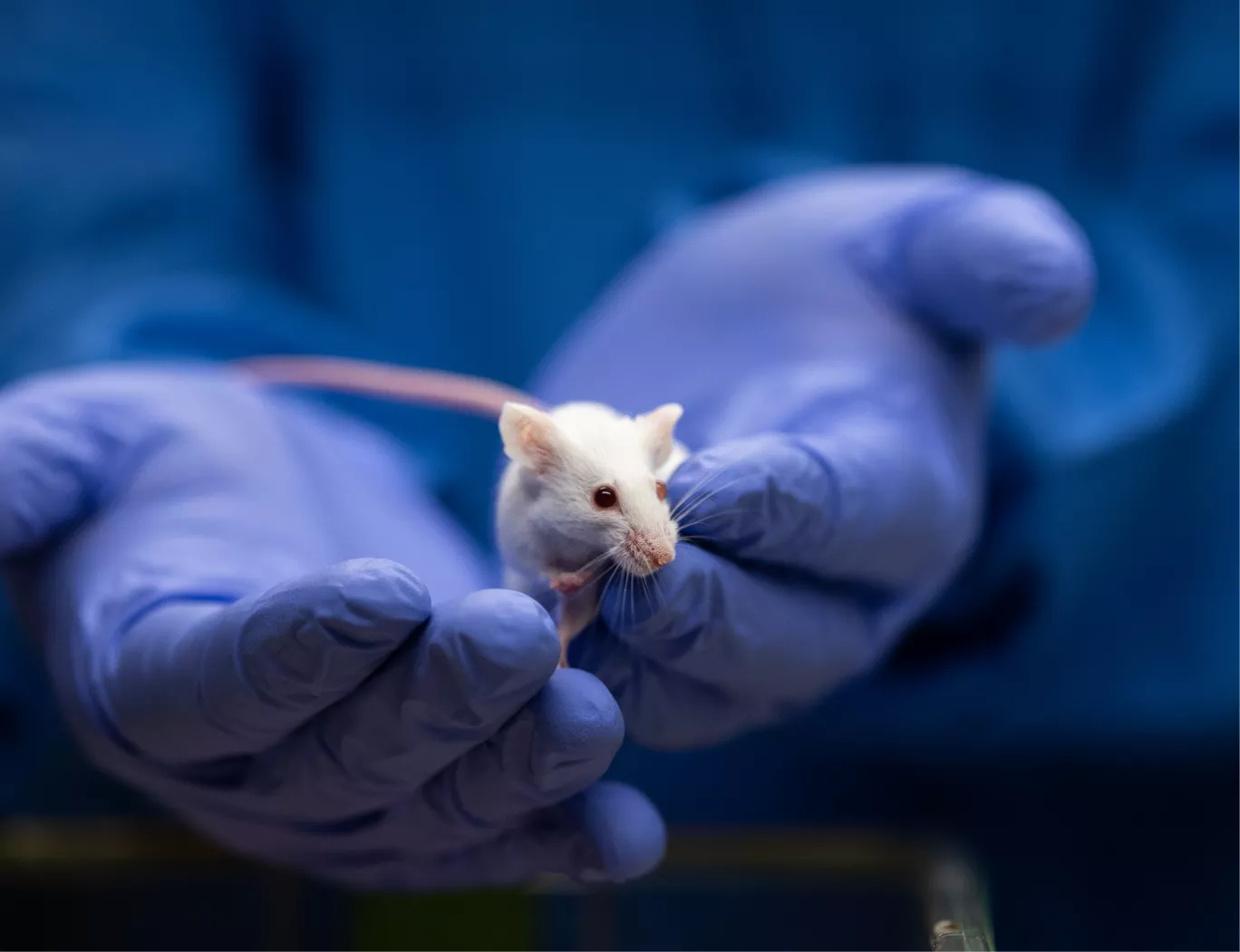
Expert Husbandry and Veterinary Care for Laboratory Animals
We pride ourselves on providing exceptional care and husbandry for over 8 laboratory animal species. Our highly-trained team, including board-certified veterinarians, toxicologists, and animal care staff, ensures comprehensive, round-the-clock veterinary care to meet the highest standards of animal welfare. With expertise in both routine and specialized care, we are dedicated to the health and well-being of all animals involved in our research programs.
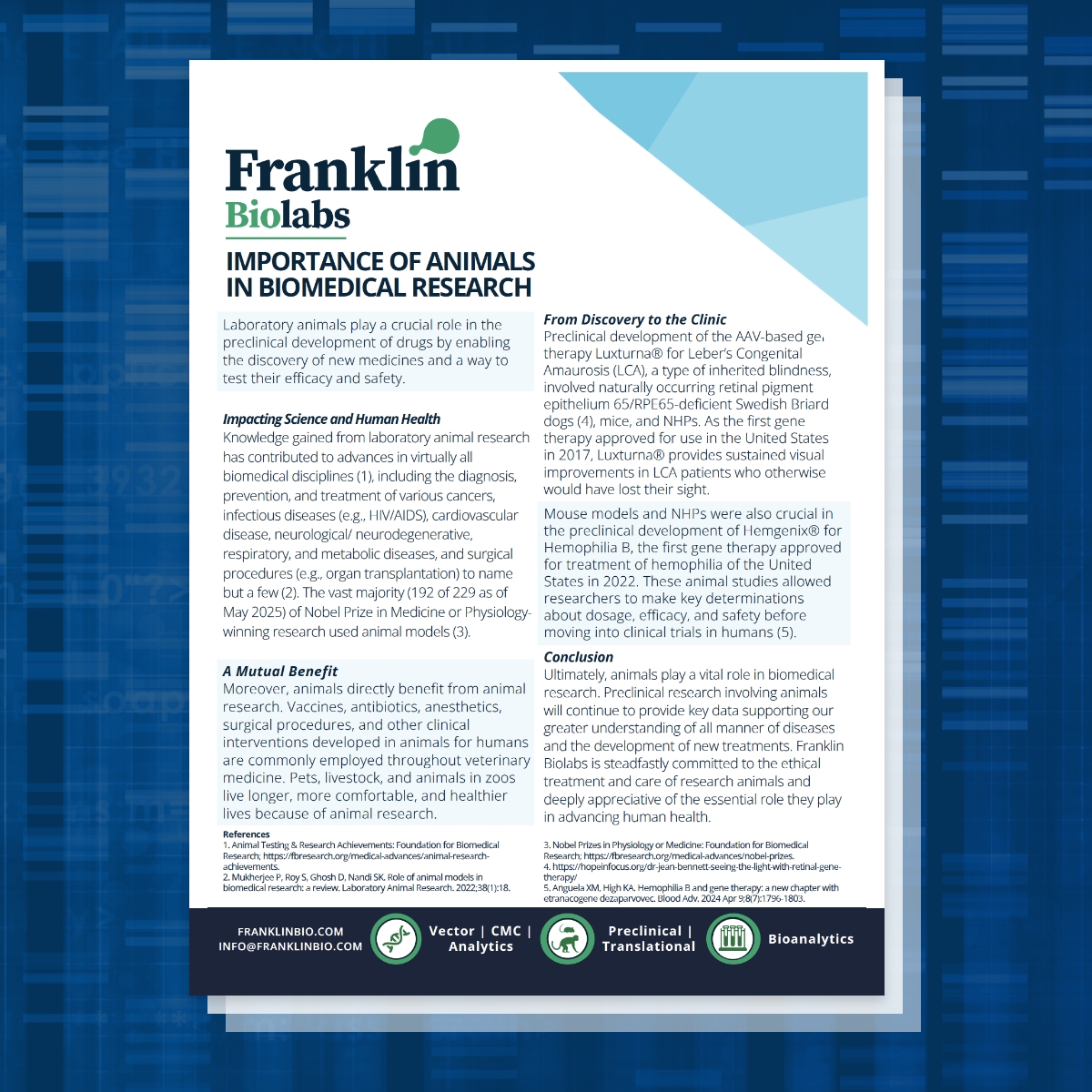
Featured Resources


Conducting Preclinical Research to the Highest Standards
Contact us today to discuss how our preclinical and translational services can help accelerate your emerging therapies.
Speak with our Scientists