Biodistribution and Efficacy Studies of Systemically Administered AAV Vectors in Non-Human Primates

PROVEN INTELLIGENCE ACCELERATING NEXT-GENERATION THERAPIES

Biodistribution and Efficacy Studies of Systemically Administered AAV Vectors in Non-Human Primates

Biodistribution and Efficacy of Systemic AAV Vectors in Non-Human Primates

CELL & GENE | RNA | BIOLOGICS

  • Translating AAV Vector Performance from Model to IND.*

Non-human primate (NHP) models are the definitive preclinical system for evaluating the biodistribution, efficacy, and safety of systemically administered AAV vectors prior to human clinical trials. Direct extrapolation from rodent data is insufficient, as fundamental species-specific differences in vector tropism can significantly alter therapeutic outcomes. A robust NHP study design, incorporating multi-platform bioanalysis and comprehensive tissue evaluation, is necessary to accurately predict clinical performance, de-risk development, and support a successful Investigational New Drug (IND) application.

    What is the primary objective of an AAV biodistribution study in NHPs?

    A: The main objective is to quantify the distribution of vector DNA and assess transgene expression across a comprehensive panel of target and non-target tissues following systemic administration. This data informs dose selection, confirms target engagement, and builds the safety profile for the IND submission.

    How does AAV vector tropism in NHPs differ from rodent models?

    A: Significant differences exist. For example, certain AAV serotypes show a periportal pattern of liver transduction in NHPs, whereas rodent models can exhibit a pericentral pattern. Such distinctions directly impact the translational relevance of efficacy data for liver-directed gene therapies.

    What are the key endpoints for assessing efficacy in an NHP AAV study?

    A: Efficacy endpoints are modality-specific but typically include quantification of transgene expression (mRNA and protein) in the target tissue, measurement of relevant biomarkers, and functional outcomes where applicable. For vaccine platforms, endpoints include neutralizing antibody titers and T-cell responses.

    Which analytical methods are used to quantify vector biodistribution?

    A: The standard for quantifying vector DNA in tissues is quantitative PCR (qPCR) or droplet digital PCR (ddPCR). Transgene expression is assessed via reverse transcription qPCR (RT-qPCR), immunohistochemistry (IHC), or in situ hybridization (ISH). Immunogenicity is monitored using ELISA and ELISpot assays.

<a href=”

The Translational Gap in AAV Liver-Directed Gene Therapy

Predicting human clinical outcomes from preclinical data requires models that faithfully recapitulate human biology. For AAV-mediated gene therapy, particularly for liver-directed applications, NHP models provide indispensable data that cannot be obtained from lower-order species.

Published research highlights species-dependent differences in vector performance. For instance, AAV8 vectors administered to NHPs result in a predominantly periportal pattern of hepatocyte transduction. This contrasts with the pericentral pattern observed in rodent models (PMID: 21778099). This distinction has profound implications for therapies targeting metabolic diseases, where the zonation of enzymatic activity is a key factor for efficacy. Relying solely on rodent data could lead to inaccurate predictions of both therapeutic activity and potential toxicity.

A blue-toned image of white lab rats in their cages within a laboratory or vivarium setting, likely for scientific research or testing.

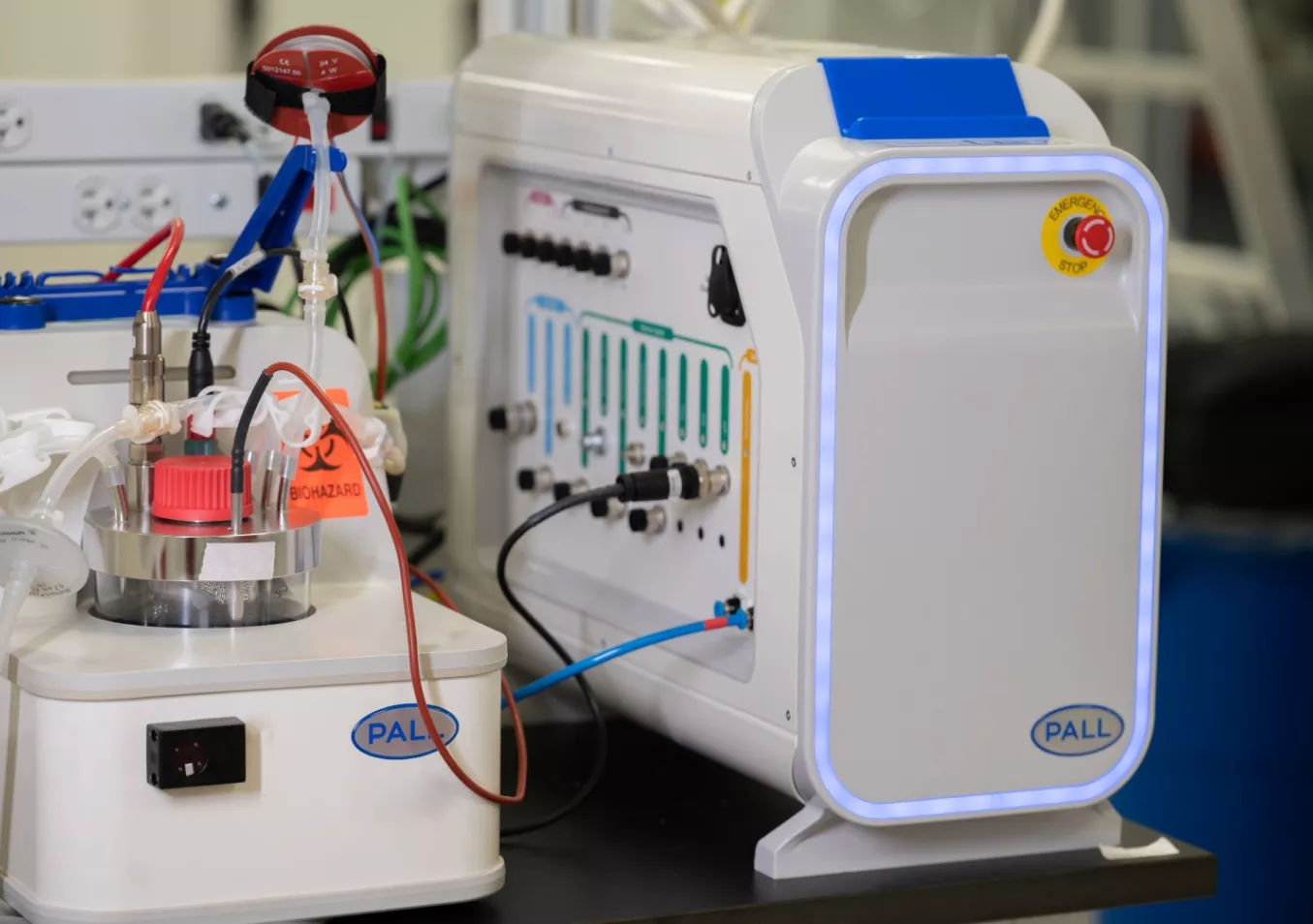
A close-up shot of a modern bioreactor system and control unit from Pall Corporation in a clean laboratory environment.

Designing Robust NHP Studies for Systemic AAV Administration

A successful NHP study hinges on a design that generates clear, actionable data for an IND filing. A comprehensive strategy is employed to evaluate pharmacokinetics, pharmacodynamics, and immunogenicity over time. Meticulous planning ensures the validation of complex biologicals with high-resolution pharmacological data.

Key study design considerations include:

  • Dose-Ranging Strategy: Establishing a dose-response relationship to identify the minimum effective dose and a safe upper limit.

  • Comprehensive Tissue Collection: Analysis of vector biodistribution extends beyond the target organ to include a full panel of tissues to build a complete safety profile.

  • Longitudinal Sampling: Serial collection of blood and other biofluids allows for the characterization of vector clearance, transgene expression kinetics, and the host immune response.

  • GxP-Compliant Bioanalysis: All analytical methods used to assess endpoints must be validated to GxP standards to ensure data integrity for regulatory submissions.

“We started collaborating with UPenn Vector core in 2023 and the AAV vector which they manufactured laid a foundation for development of a gene therapy candidate which will enter soon preclinical studies. The key people from UPenn Vector Core joined Franklin Biolabs and our partnership transitioned without interruption from UPenn Vecor Core to Franklin Biolabs Research Vector Division. Franklin Biolabs is our trusted partner in our AAV-vector based gene therapy candidate development and we hope to continue the partnership for years to come.”
— Biotech Partner

Validating Platform Technologies in NHP Models

Beyond single-asset biodistribution, NHP models are the ideal system for validating entire AAV platform technologies. An AAV-based vaccine platform, for example, was shown to provide complete protection and durable immunogenicity in an NHP challenge model (PMID: 34428428). This type of study demonstrates the broad utility and robustness of the vector platform itself, providing data that can support multiple future programs.

Analytical Endpoint Method Purpose
Vector DNA Biodistribution qPCR / ddPCR Quantifies vector copy number per cell in all collected tissues.
Transgene Expression (RNA) RT-qPCR Measures mRNA levels to confirm transcription in target tissues.
Transgene Expression (Protein) Histology (IHC/ISH), ELISA Visualizes and quantifies protein expression at the cellular level.
Host Immune Response ELISA, ELISpot Detects anti-capsid and anti-transgene antibodies and T-cell responses.

A stylized 3D rendering of a DNA double helix, composed of light-colored spheres on a translucent blue backbone, set against a soft-focus, light blue background.

Franklin Biolabs’ NHP Platform: From Vector to IND

Executing these complex studies requires specialized infrastructure and deep expertise. Our AAALAC-accredited and USDA-registered NHP facilities, part of our >100,000 sq ft campus, are designed specifically for advanced therapy programs. We integrate vector production with preclinical study execution, supporting programs through the typical 18-24 month IND timeline. This integrated approach has contributed to a 100% IND success rate for our clients’ programs since 2019, with the Franklin Biolabs brand itself having launched in 2024.

Scientific Process Diagram

This content is for informational purposes. For guidance specific to your therapeutic program, please contact our team for a consultation.