
Custom Cloning and Plasmid Generation for Bespoke Viral Vectors in London
PROVEN INTELLIGENCE ACCELERATING NEXT-GENERATION THERAPIES
Custom Cloning and Plasmid Generation for Bespoke Viral Vectors in London
Custom Cloning and Plasmid Generation for Bespoke Viral Vectors
CELL & GENE | RNA | BIOLOGICS

Proven Intelligence Accelerating Next-Generation Therapies.
Executive Summary
The integrity of a viral vector is determined by its foundational plasmid DNA. A precisely engineered plasmid is the blueprint for capsid expression, payload delivery, and therapeutic efficacy. Franklin Biolabs provides bespoke cloning and plasmid generation services for AAV, lentivirus, and adenovirus vectors, building directly upon the decades of expertise established at the Penn Vector Core. Our process ensures that the starting material for your research-grade vector is sequence-verified, pure, and optimized for high-titer production, supporting programs from discovery through IND-enabling activities.

Technical FAQ
-
–Can you accommodate novel or engineered capsid designs?
Yes. Our team has extensive experience with a wide range of wild-type and engineered serotypes, including novel and refractory capsids. We provide consultative support on construct design to optimize expression and packaging efficiency for your specific capsid choice.
What is the typical timeline for custom plasmid generation?
Timelines are project-dependent and are established during the initial consultation. The process is structured to align with specific program milestones, whether for complex constructs or those requiring gene synthesis.
How do you ensure the quality and integrity of the final plasmid?
Every plasmid undergoes rigorous quality control. This includes Sanger sequencing to verify the complete open reading frame and key elements, restriction digest analysis to confirm structural integrity, and spectrophotometry to confirm high purity.

The Plasmid Blueprint: Foundational DNA for Viral Vector Efficacy
Successful viral vector production begins long before cell transfection. The design, cloning, and purification of the plasmid DNA dictate the quality, titer, and performance of the final vector. Errors or impurities at this initial stage can lead to failed production runs, inconsistent in vivo results, and delays in program timelines.
Our approach focuses on meticulous front-end preparation. We work with clients to design and construct plasmids that are optimized for specific viral vector systems, whether for AAV1, AAV8, AAV9, or custom-engineered variants. This includes codon optimization, selection of appropriate promoters and polyadenylation signals, and ensuring the integrity of inverted terminal repeats (ITRs) for AAV constructs.
From Penn Vector Core to Franklin Biolabs: A Continuum of Expertise
The core scientific team and established processes from the University of Pennsylvania’s Gene Therapy Program Vector Core have transitioned to Franklin Biolabs. This provides our UK and EU clients with uninterrupted access to the same technical expertise and proven platforms that have supported numerous advanced therapy programs.
We started collaborating with UPenn Vector core in 2023 and the AAV vector which they manufactured laid a foundation for development of a gene therapy candidate which will enter soon preclinical studies. The key people from UPenn Vector Core joined Franklin Biolabs and our collaboration transitioned without interruption from UPenn Vecor Core to Franklin Biolabs Research Vector Division. Franklin Biolabs provides essential manufacturing and scientific support for our AAV-vector based gene therapy candidate development, and we hope to continue the collaboration for years to come.
— Biotech Partner
Navigating Vector Design for Clinical Translation
Early construct design has significant implications for downstream preclinical and clinical outcomes. Data from large animal model evaluations informs our approach to vector engineering, helping to anticipate and mitigate potential hurdles. For instance, insights from liver-directed gene transfer studies (PMID: 21204705) underscore the need to carefully consider vector serotype and potential payload immunogenicity, which can be influenced at the plasmid design stage.
Understanding the biodistribution patterns associated with different routes of administration (PMID: 28806897) reinforces the importance of vector optimization. A well-designed plasmid is the first step in developing a vector that achieves targeted transduction while minimizing expression in non-target tissues, a key consideration for IMPD and MHRA submissions.
Our Custom Plasmid Generation Process
Our service is structured to provide both flexibility and scientific rigor, ensuring your project starts with the highest quality DNA material.
-
Consultation and Design: We begin with a technical consultation to align on project goals, construct design, serotype selection, and final deliverables.
-
Gene Synthesis and Cloning: We offer gene synthesis services or can work with client-provided material. Sub-cloning into our validated AAV, lentiviral, or adenoviral backbones is performed using standard molecular biology techniques.
-
Amplification and Purification: Plasmids are amplified in E. coli and purified at midi, maxi, or giga scales using endotoxin-free kits to generate material suitable for subsequent transfection in GxP-compliant environments.
-
Quality Control and Verification: All constructs undergo comprehensive QC, including sequence verification of the gene of interest and flanking regions, and analytical restriction digests to confirm plasmid identity.
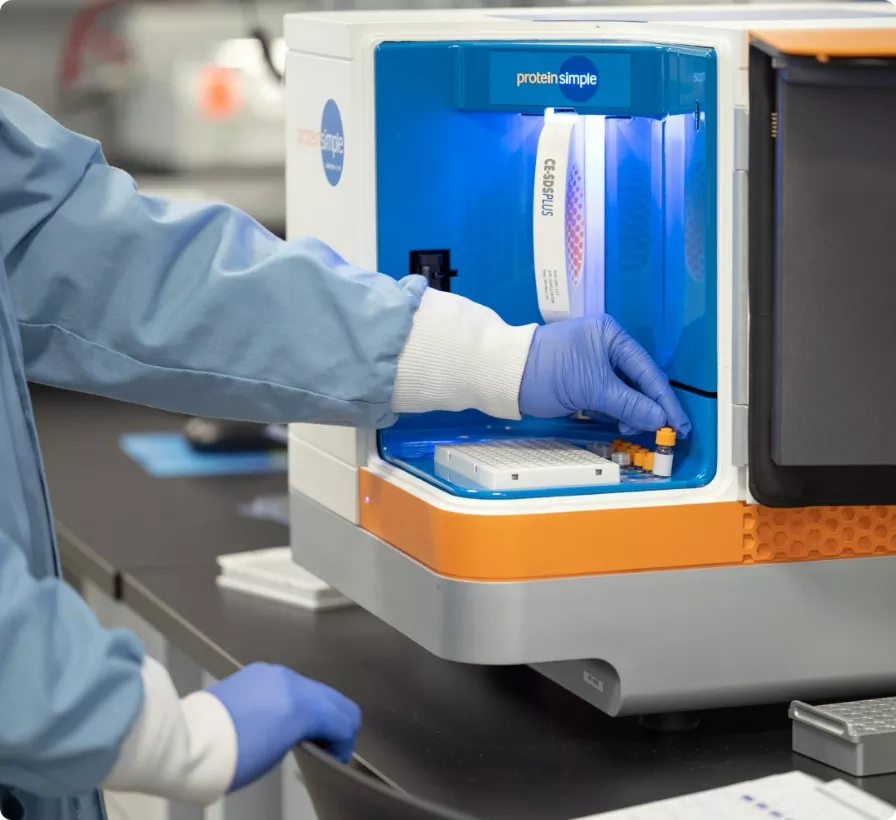
Technical Visualization: Custom Plasmid Generation Workflow

This content is for informational purposes. For guidance specific to your therapeutic program, please contact our team for a consultation.