Engineering AAV-DJ Vectors for Enhanced Transduction in Preclinical Models

PROVEN INTELLIGENCE ACCELERATING NEXT-GENERATION THERAPIES

Engineering AAV-DJ Vectors for Enhanced Transduction in Preclinical Models

Engineering AAV-DJ Vectors for Enhanced Transduction

CELL & GENE | RNA | BIOLOGICS
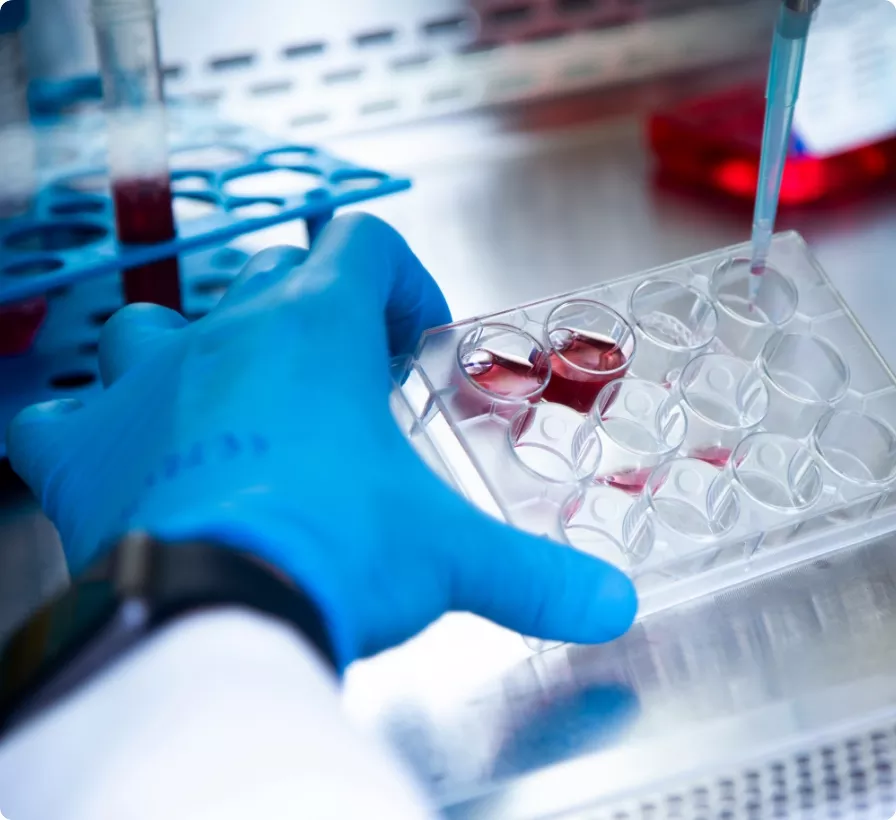
A scientist pipetting a red liquid into a multi-well plate in a laboratory setting.

Executive Summary

The AAV-DJ capsid, a hybrid of multiple AAV serotypes, is engineered to achieve broad tropism and high transduction efficiency across a range of cell types both in vitro and in vivo. This makes it a valuable tool for early-stage discovery and preclinical validation. Franklin Biolabs provides expert production of AAV-DJ and other engineered capsids, leveraging the deep institutional knowledge transitioned from the Penn Vector Core. Our process ensures high-purity, high-titer vector preparations suitable for demanding preclinical applications, supporting programs on an 18-24 month timeline to IND.

Frequently Asked Questions

    What is the primary advantage of the AAV-DJ serotype?

    AAV-DJ is a rationally designed chimera of eight different wild-type AAV capsids. Its primary advantage is its exceptionally broad tropism, enabling efficient transduction of a wide variety of cell and tissue types that are often refractory to natural serotypes.

    How does AAV-DJ perform compared to natural serotypes like AAV8 or AAV9?

    AAV-DJ often demonstrates superior in vitro transduction efficiency across many common cell lines. In vivo performance is application-specific, but it provides a robust option for initial proof-of-concept studies before selecting a more tissue-specific serotype for clinical translation.

    What are the production challenges associated with engineered capsids?

    Engineered capsids can present unique challenges in yield, purity, and assembly. Our team’s experience, originating from the Penn Vector Core, provides the technical expertise to optimize production parameters for novel and refractory capsids like AAV-DJ.

The Challenge of Species-Specific Transduction

Selecting an appropriate AAV capsid for a therapeutic program requires a nuanced understanding of transduction biology. A vector’s performance in one preclinical model does not guarantee equivalent behavior in another, let alone in human subjects.

Published data highlights these translational gaps. For instance, hepatocyte transduction patterns can show inverse zonation between species, a consideration for liver-directed therapies (PMID: 21778099). The molecular fate of the vector genome itself can also exhibit significant heterogeneity post-transduction, influencing the persistence and level of transgene expression (PMID: 20113166). These variables underscore the need for a data-driven approach to vector selection and preclinical model design.

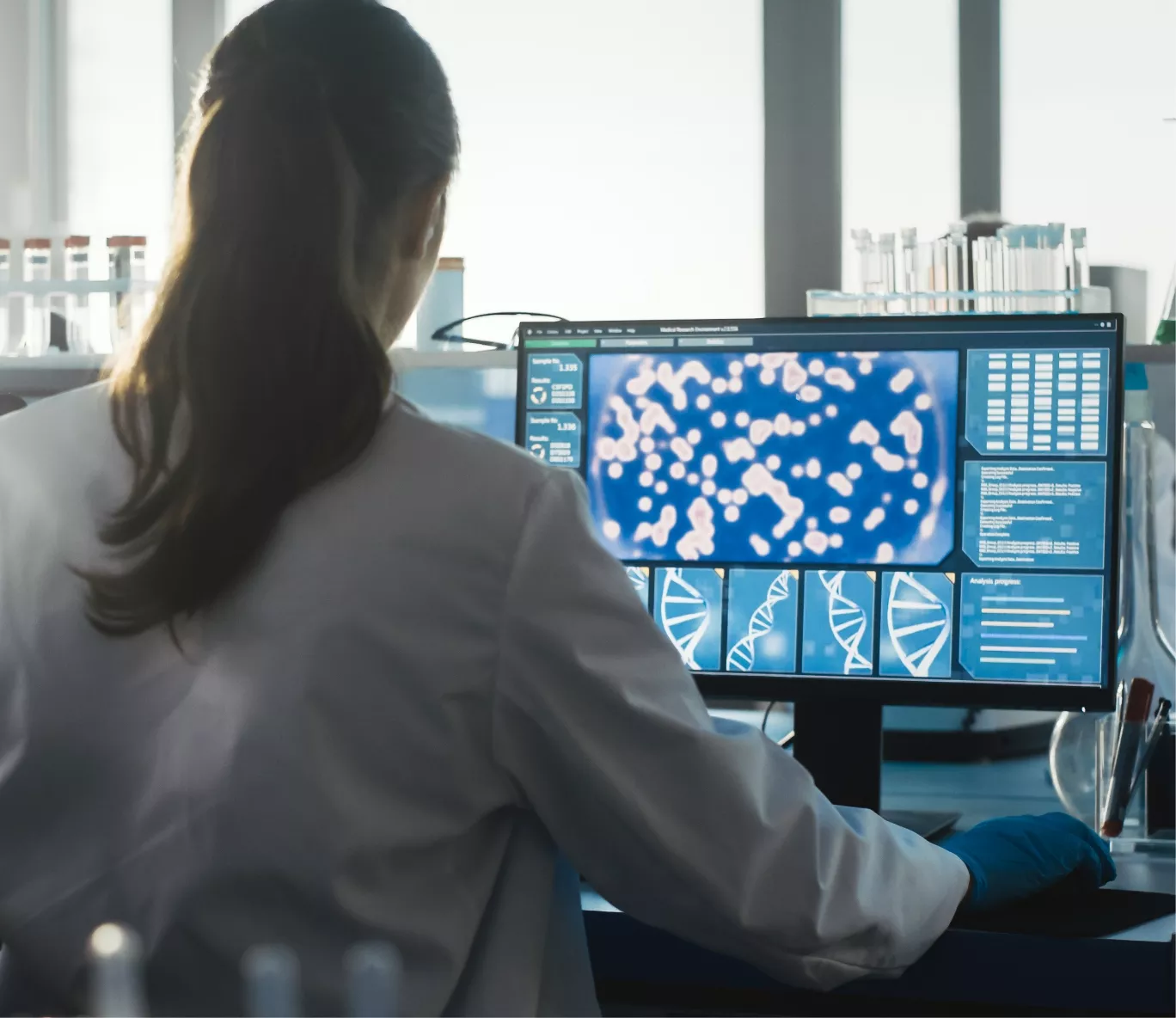
A female scientist in a lab coat analyzes complex biological data, including cellular imagery and DNA models, on a computer screen.

A senior scientist with grey hair is mentoring a diverse group of younger scientists or students in a laboratory setting.

AAV-DJ: A Hybrid Capsid for Superior Preclinical Utility

The AAV-DJ vector was developed through DNA family shuffling of eight distinct AAV serotypes, followed by selection for vectors that could evade neutralization by intravenous immunoglobulin (IVIG). The resulting capsid exhibits robust transduction across a wide range of tissues.

Key attributes of AAV-DJ include:

  • Broad Tropism: Efficiently transduces numerous cell types, making it a versatile tool for initial target validation.

  • High In Vitro Efficiency: Outperforms many natural serotypes in cell culture applications, facilitating rapid screening.

  • Heparin-Binding Domain: Contains a heparin-binding domain similar to AAV2, which facilitates cell surface attachment.

Our integrated services provide clients with deep expertise across all aspects of vector production and analytics, fostering a collaborative partnership to meet program-specific goals.

Production and Analytics for Engineered Vectors

Manufacturing engineered capsids demands rigorous process control and deep analytical expertise. The team at Franklin Biolabs, which includes key personnel from the former Penn Vector Core, has an established track record of producing complex vectors for academic and industry clients worldwide.

Located in a >100,000 sq ft facility, our research vector production service provides the high-quality material necessary for IND-enabling toxicology studies. While the Franklin Biolabs brand launched in 2024, our scientific team’s work has contributed to a 100% successful IND rate for programs they have supported since 2019.

A senior scientist leads a discussion with a group of diverse junior scientists in a bright, modern laboratory setting.

Technical Visualization: AAV-DJ Research Vector Production Workflow

Scientific Process Diagram

This content is for informational purposes. For guidance specific to your therapeutic program, please contact our team for a consultation.