High-Titer Lentivirus Production for Ex Vivo Hematopoietic Cell Engineering

PROVEN INTELLIGENCE ACCELERATING NEXT-GENERATION THERAPIES

High-Titer Lentivirus Production for Ex Vivo Hematopoietic Cell Engineering

CELL & GENE | RNA | BIOLOGICS

A scientist in protective gear pipetting a sample into a vial within a sterile laboratory hood.

Proven Intelligence in Viral Vector Manufacturing.

Executive Summary

Production of high-titer lentiviral (LV) vectors optimized for the ex vivo transduction of hematopoietic stem cells (HSCs) and other lymphoid cell types involves several technical considerations. The manufacturing capabilities must support high transduction efficiency, and the analytical requirements for lot release must align with US FDA expectations for IND submissions. The content is intended for scientific leaders at therapeutic development organizations planning preclinical and clinical programs involving somatic cell therapies.

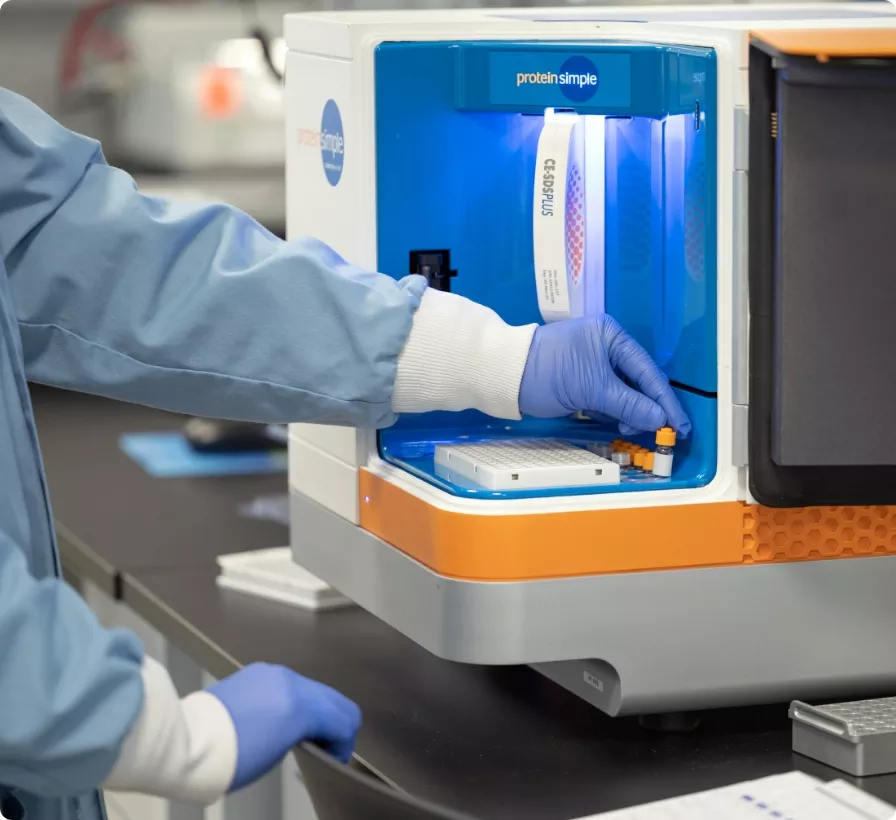
A scientist in a lab coat and gloves loads samples into a ProteinSimple instrument for analysis.

Frequently Asked Questions

What are the key quality attributes (CQAs) for lentiviral vectors intended for HSC transduction?

Key CQAs for LV vectors in this context include high functional titer, vector purity (absence of process-related impurities), p24 concentration, and a defined vector-to-cell ratio that maximizes transduction efficiency while minimizing cytotoxicity. The choice of envelope protein is also a CQA, as it directly influences cell tropism and transduction efficacy in target hematopoietic populations.

How does Franklin Biolabs ensure consistency between research-grade and GxP-compliant lentivirus production runs?

We employ a phase-appropriate approach, using consistent core methodologies for transfection, purification, and analytics across all production grades. While research-grade vectors are designed for rapid iteration, the foundational processes mirror those used in our GxP environment, ensuring that early-stage data is translatable and de-risks the transition to IND-enabling manufacturing.

What is the typical timeline for a custom lentivirus production project for a CAR-T or HSC program?

Project timelines are tailored to the specific construct and program requirements. Our process is designed for efficiency, aligning with the aggressive 18-24 month IND timelines targeted by many next-generation therapy developers. We prioritize clear communication and milestone management from plasmid receipt through final QC to ensure the vector production schedule supports the overall preclinical plan.

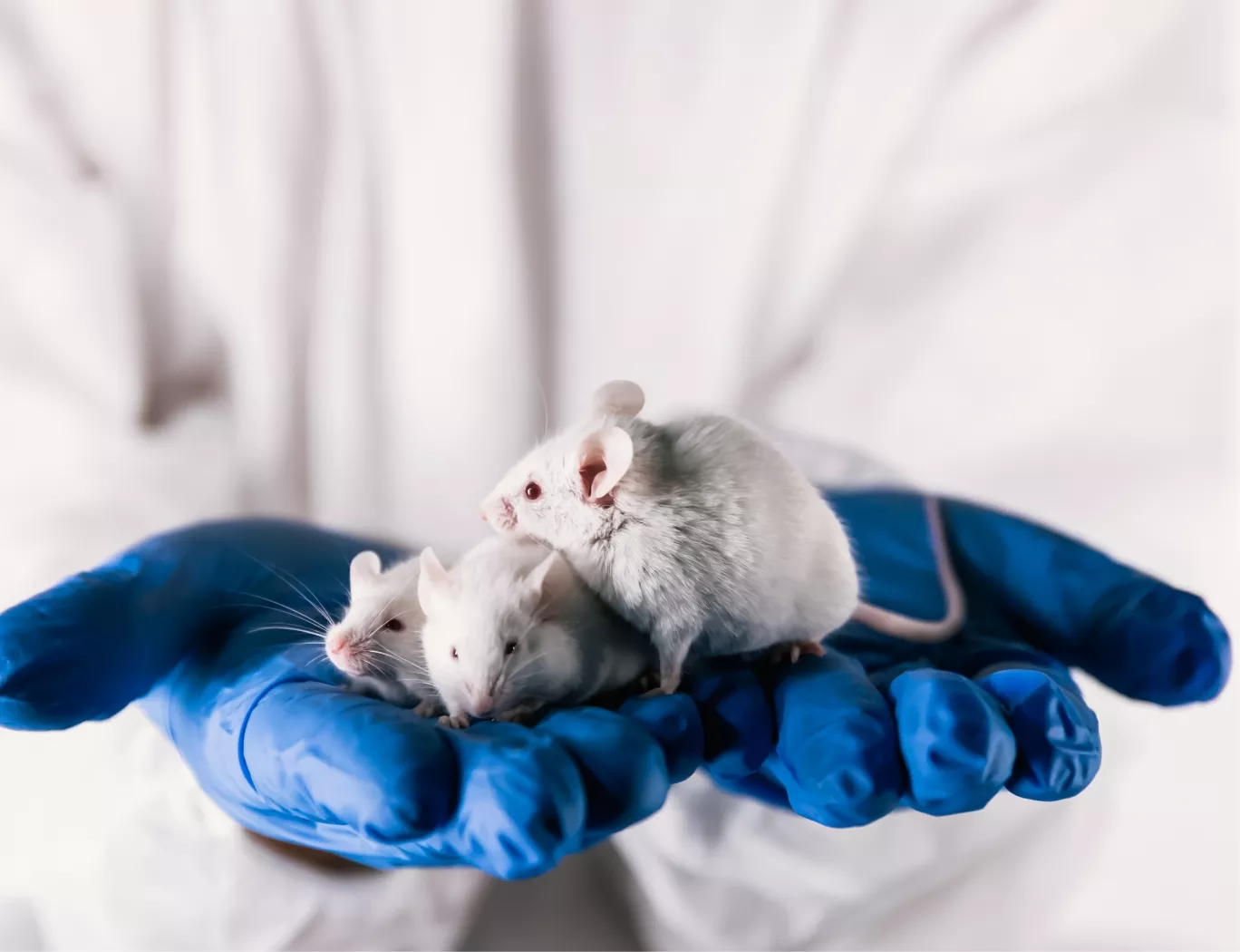
A researcher in a lab coat and blue gloves gently holds three white lab mice, symbolizing animal models in scientific research.

Optimizing Lentiviral Vectors for Somatic Cell Therapy

The efficacy of ex vivo cell therapies, including those targeting hematopoietic stem cells, is directly dependent on the quality and functional titer of the lentiviral vector used for genetic modification. Achieving stable, high-level transgene expression requires a vector engineered for efficient entry and integration into the target cell population without compromising cell viability or function.

A primary determinant of transduction efficiency is the vector’s envelope glycoprotein. While VSV-G is a common choice for its broad tropism, optimizing vectors for specific cell lineages often requires evaluating alternative pseudotypes. The strategic selection of envelope proteins, such as those from Mokola or MuLV, can yield more targeted and efficient transduction patterns in specific cell populations (PMID: 11991743). This level of vector customization is a component of a data-driven preclinical strategy.

Manufacturing and Analytical Controls for IND-Enabling Programs

Producing lentiviral vectors for clinical applications demands robust manufacturing processes and rigorous analytical characterization. Our scientific team, whose track record includes a 100% successful IND rate since 2019, brings deep expertise to this process. It is this core team of principal scientists and study directors, now at Franklin Biolabs since our 2024 launch, that ensures continuity of quality and regulatory success.

Our approach includes:

  • Scalable Suspension Platforms: We utilize scalable production systems to ensure a consistent supply from early preclinical studies through to clinical manufacturing.

  • Phase-Appropriate Analytics: A comprehensive suite of assays is used to characterize each vector lot for identity, purity, potency, and integrity. This includes ddPCR for vector genome titering, p24 ELISA, and cell-based functional assays.

  • Immunological Insight: Understanding vector biology is fundamental. While LV vectors for ex vivo use have a different immunological profile than in vivo administered vectors, our broad expertise in vector-host interactions informs risk assessment. For instance, insights from AAV immunology, such as the mechanisms of T cell exhaustion (PMID: 23778424), provide a framework for evaluating potential immune responses in any advanced therapy program.

Our >100,000 sq ft facilities are designed to support these complex workflows, from vector production to downstream bioanalytical testing. A tour of our laboratories is available here:. This integrated environment allows for efficient technology transfer and program execution. As one partner noted, our team possesses “Vast knowledge in all aspects of vector production and analytics.”

For programs advancing toward clinical evaluation, our manufacturing and testing are performed in GxP-compliant environments to meet US FDA regulatory standards. This ensures that the material produced is suitable for use in pivotal IND-enabling toxicology studies.

Our expertise extends across multiple viral vector platforms. For details on our AAV capabilities, see our AAV Research Vector Packaging Services.


Scientific Process Diagram

This content is for informational purposes. For guidance specific to your therapeutic program, please contact our team for a consultation.