In Vivo Models for Allogeneic CAR-NK Immunotherapy

PROVEN INTELLIGENCE IN CELLULAR IMMUNOTHERAPY MODELS.

In Vivo Models for Allogeneic CAR-NK Immunotherapy

CELL & GENE | RNA | BIOLOGICS

A scientist in protective gear pipetting a sample into a vial within a sterile laboratory hood.

Executive Summary

Allogeneic Chimeric Antigen Receptor Natural Killer (CAR-NK) cell therapies require a distinct preclinical strategy compared to autologous candidates. The primary scientific challenges involve assessing potential for Graft-versus-Host Disease (GvHD), managing host immune rejection, and confirming durable anti-tumor activity from an “off-the-shelf” product. Effective in vivo pharmacology models must be specifically designed to evaluate these unique biological questions, providing the necessary data to support multi-jurisdictional IND and IMPD submissions.

Frequently Asked Questions

What are the primary challenges in designing IND-enabling toxicology studies for allogeneic CAR-NK cells?

The main challenges for allogeneic CAR-NK candidates are evaluating the risk of Graft-versus-Host Disease (GvHD), assessing on-target, off-tumor toxicities, and determining the persistence of the cells in the presence of a host immune system. Our IND-enabling toxicology studies are tailored to address these specific risks using appropriate immunocompromised models and relevant large animal species when necessary.

How do you select the appropriate in vivo pharmacology models to assess both efficacy and potential for GvHD?

Model selection is data-driven. For efficacy, human tumor xenograft models in severely immunodeficient animal models are standard for evaluating tumor control. To assess GvHD, models are specifically designed to detect clinical and histological signs of immune attack on host tissues. The choice depends on the CAR-NK construct, its genetic modifications, and the target indication.

Can you support multi-jurisdictional submissions for a cell therapy program, including FDA and MHRA?

Yes. Our preclinical programs are designed with global regulatory expectations in mind. We generate comprehensive data packages that align with harmonized ICH guidelines, facilitating concurrent submissions to the FDA, MHRA, and other international authorities from our >100,000 sq ft GxP-compliant facility.

Tailored In Vivo Models for Allogeneic CAR-NK Candidates

Allogeneic CAR-NK therapies introduce specific preclinical variables that must be isolated and evaluated. Unlike patient-derived cells, these “off-the-shelf” candidates must persist and function without being eliminated by the host immune system, while also avoiding induction of GvHD. A standardized preclinical testing template is insufficient; a tailored in vivo pharmacology strategy is required.

The initial assessment of anti-tumor activity typically utilizes immunodeficient animal models bearing human tumor xenografts. These models allow for the direct evaluation of the CAR-NK cell’s ability to traffic to the tumor site, infiltrate the microenvironment, and mediate target cell lysis. Key efficacy readouts include tumor growth inhibition, survival analysis, and quantification of CAR-NK cell numbers in tumors and peripheral tissues.

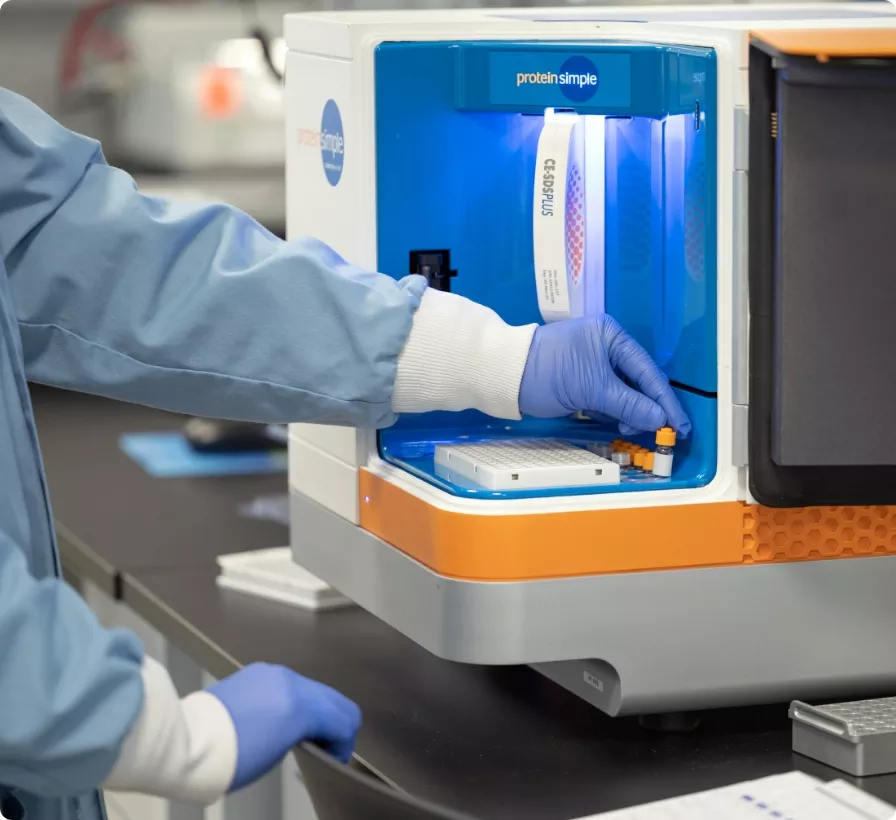
A scientist in a lab coat and gloves loads samples into a ProteinSimple instrument for analysis.

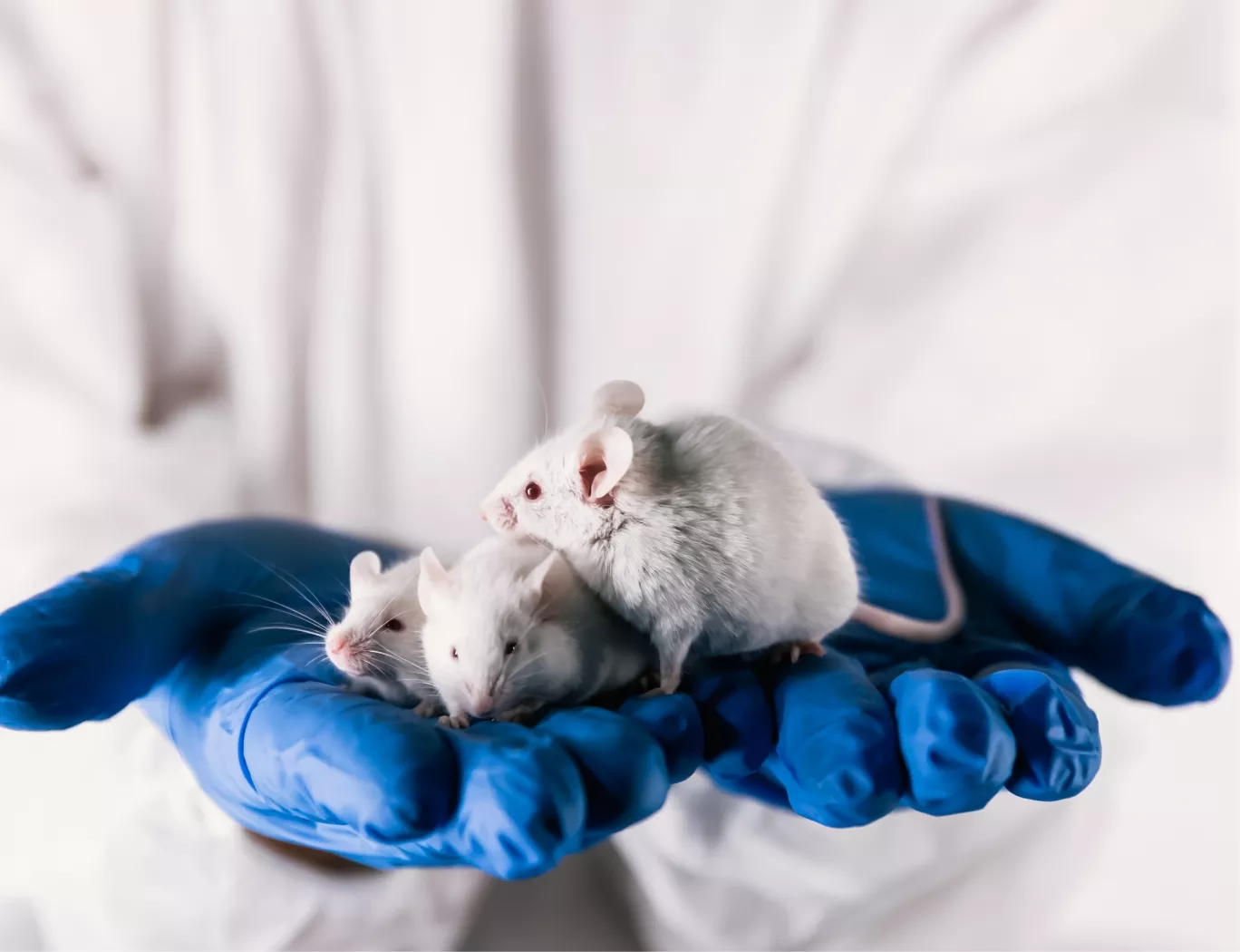
A researcher in a lab coat and blue gloves gently holds three white lab mice, symbolizing animal models in scientific research.

Extrapolating from Adjacent Modalities for Clinical Success

Our approach to modeling complex cell therapies is informed by decades of work in adjacent fields. Scientific principles learned from evaluating the systemic delivery of viral vectors to achieve a therapeutic effect (PMID: 14668502) provide a framework for designing studies that measure the biodistribution and activity of intravenously administered CAR-NK cells. Establishing long-term safety and durability in nonhuman primate models for gene editing platforms (PMID: 33609733) also highlights the value of using relevant large animal models. These models can be instrumental in evaluating the persistence of gene-edited allogeneic cells and de-risking potential long-term toxicities ahead of clinical entry.

Key Preclinical Endpoints and Animal Welfare

A robust preclinical data package for an allogeneic CAR-NK candidate is built upon multiple, well-defined endpoints.

  • Efficacy: Tumor burden measured by bioluminescence imaging or caliper measurements.

  • Pharmacokinetics: Cellular persistence and trafficking analyzed via flow cytometry or ddPCR on biological samples.

  • Safety: Daily clinical observations for GvHD, cytokine release syndrome (CRS) monitoring, and terminal histology of relevant tissues.

  • Biodistribution: Quantification of non-target tissue biodistribution to understand potential liabilities.

All in vivo work is conducted with a commitment to the highest standards of animal welfare, adhering to the 3Rs (Replacement, Reduction, and Refinement) and operating in AAALAC-accredited and USDA-compliant facilities.

Franklin Biolabs was formally launched in 2024, but our core scientific team and principal investigators have achieved a 100% successful IND rate since 2019. This track record, which includes collaborations with partners like our partners, enables us to guide sponsors through the regulatory process in an 18-24 month timeline. Our work provides the foundational data needed to advance next-generation therapies.

For more information on our comprehensive services, please visit our parent hub page: Cell and Gene Therapy CRO Services.


Scientific Process Diagram

This content is for informational purposes. For guidance specific to your therapeutic program, please contact our team for a consultation.