A Deep Dive into Upstream Process Parameters for Maximizing Volumetric Productivity of AAV Vectors

PROVEN INTELLIGENCE ACCELERATING NEXT-GENERATION THERAPIES

A Deep Dive into Upstream Process Parameters for Maximizing Volumetric Productivity of AAV Vectors

Upstream Process Parameters for AAV Volumetric Productivity

CELL & GENE | RNA | BIOLOGICS
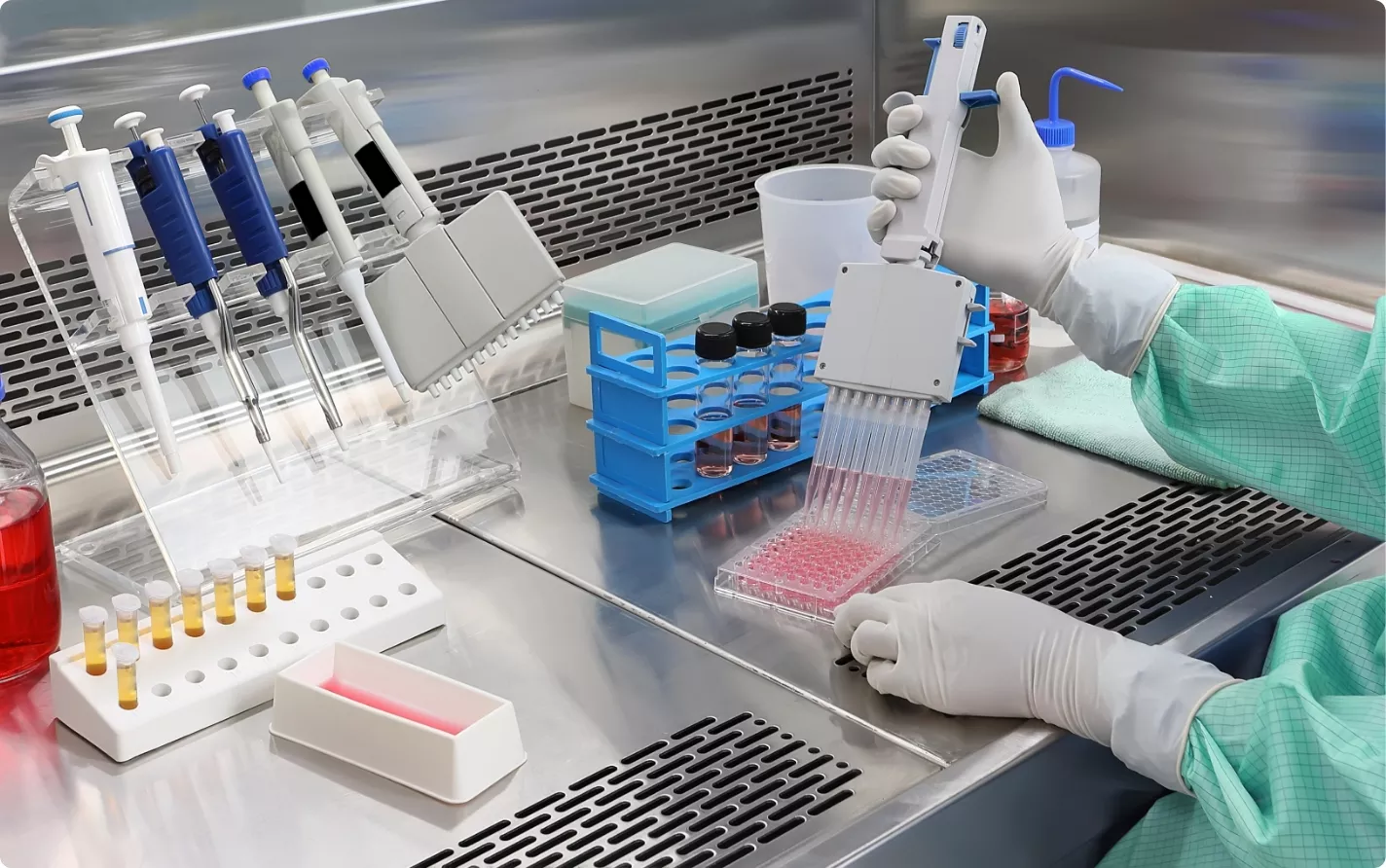
A scientist in a sterile laboratory setting uses a multichannel pipette to transfer pink liquid into a multi-well plate for a high-throughput experiment.

Proven Intelligence Accelerating Next-Generation Therapies.

Executive Summary

Achieving high volumetric productivity for Adeno-Associated Virus (AAV) vectors in suspension culture is a function of multi-parameter optimization. This requires a systematic approach that addresses cell line stability, media and feed strategies, transfection efficiency, and bioreactor control. A data-driven upstream process, developed within a GxP framework, is foundational to generating sufficient, high-quality material for IND-enabling toxicology studies and subsequent clinical phases. Franklin Biolabs leverages a >100,000 sq ft facility to execute these programs, consistently moving candidates toward IND within an 18-24 month timeline.

A blue-toned image of white lab rats in their cages within a laboratory or vivarium setting, likely for scientific research or testing.

Frequently Asked Questions

    What is the primary goal of AAV upstream process development?

    The primary goal is to maximize the volumetric productivity (viral genomes per liter) while maintaining defined quality attributes (CQAs) of the vector, such as the ratio of full to empty capsids and infectivity.

    How does transfection efficiency impact final AAV titer?

    Transfection efficiency is directly correlated with vector yield. Optimizing parameters such as plasmid DNA quality and quantity, plasmid stoichiometry (the ratio of rep/cap, helper, and GOI plasmids), and the choice of transfection reagent are all necessary to ensure maximal DNA uptake by the producer cells.

    Why is a suspension culture platform preferred for large-scale AAV manufacturing?

    Suspension culture platforms, particularly those using single-use bioreactors from 2L to 500L+, offer superior scalability compared to adherent systems. They allow for more precise control over environmental parameters like pH, dissolved oxygen, and temperature, leading to more consistent and higher-density cell growth.

    What role does media selection play in the process?

    Media composition and feed strategy directly influence cell health, density, and transfection permissiveness. A well-defined, chemically defined medium reduces batch-to-batch variability and simplifies downstream purification by eliminating animal-derived components.

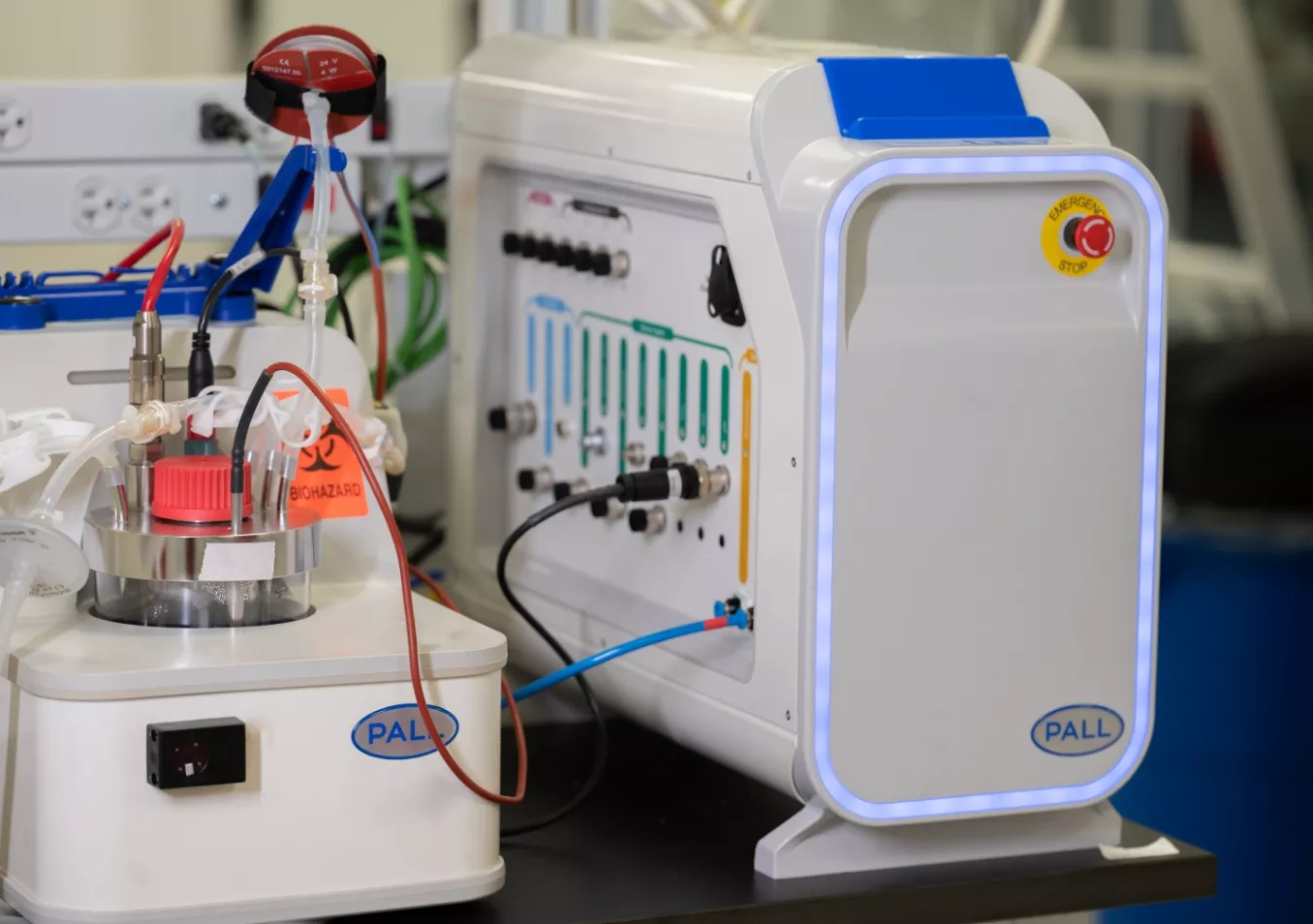
A close-up shot of a modern bioreactor system and control unit from Pall Corporation in a clean laboratory environment.

Optimizing the Cellular Environment for AAV Production

The foundation of any scalable AAV manufacturing process is a robust and well-characterized producer cell line. Stability and growth kinetics of the host cell line, typically HEK293 or a derivative, must be rigorously defined. The process begins with adapting the selected clone to the target suspension media, ensuring consistent performance at increasing scales.

Systematic evaluation of media formulation and feed strategies is then performed. This process optimizes nutrient concentrations and defines a feeding schedule that sustains high-density cell culture without inducing metabolic stress. This phase establishes the conditions necessary for the cells to reach the optimal density and physiological state for efficient transfection.

Fine-Tuning Transfection and Plasmid Stoichiometry

Transient transfection remains a common method for AAV production. The efficiency of this step is a significant determinant of final vector yield. Key parameters that require empirical optimization include:

  • Plasmid Quality: High-purity, supercoiled plasmid DNA is required for consistent results.

  • DNA-to-Reagent Ratio: The complexation of plasmid DNA with the transfection reagent must be optimized to facilitate cellular uptake without inducing cytotoxicity.

  • Plasmid Stoichiometry: The molar ratios of the three plasmids (Rep/Cap, transgene/ITR, and adenoviral helper) are adjusted to maximize capsid assembly and genome packaging.

We started collaborating with UPenn Vector core in 2023 and the AAV vector which they manufactured laid a foundation for development of a gene therapy candidate which will enter soon preclinical studies. The key people from UPenn Vector Core joined Franklin Biolabs and our partnership transitioned without interruption from UPenn Vecor Core to Franklin Biolabs Research Vector Division. Franklin Biolabs provides the essential development and manufacturing for our AAV-vector based gene therapy candidate, and we hope to continue the collaboration for years to come.

A stylized 3D rendering of a DNA double helix, composed of light-colored spheres on a translucent blue backbone, set against a soft-focus, light blue background.

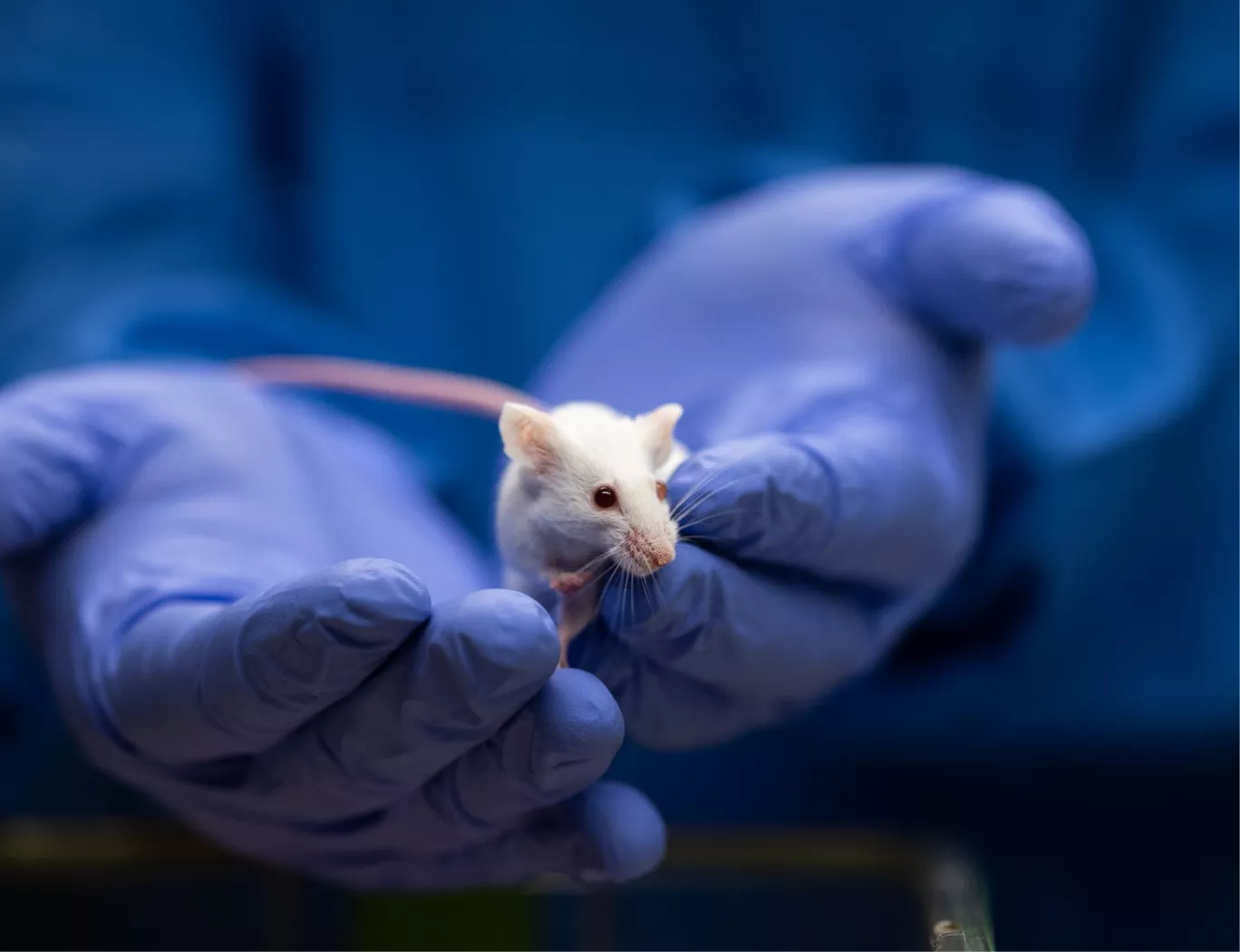
A close-up of a scientist in blue gloves gently holding a small, white laboratory mouse, likely in a research setting.

Bioreactor Control and Payload Considerations

Translating optimized parameters from shake flasks to controlled single-use bioreactors is the final stage of upstream development. Maintaining precise control over pH, dissolved oxygen (DO), and temperature is necessary for reproducible outcomes. The agitation strategy must also be defined to ensure homogenous mixing without subjecting the cells to excessive shear stress.

Upstream considerations also extend to the therapeutic payload itself. Insights from preclinical safety assessments can inform vector design to mitigate biological risks. For instance, data from nonhuman primate models has shown that incorporating specific microRNA binding sites into the transgene expression cassette can de-target expression from certain tissues, reducing potential toxicity without compromising efficacy in the target organ (PMID: 33177182). This demonstrates how upstream process development and vector design are interlinked components of a comprehensive manufacturing and safety strategy.

Technical Visualization: Upstream AAV Production Workflow

Scientific Process Diagram

This content is for informational purposes. For guidance specific to your therapeutic program, please contact our team for a consultation.