Challenges in Transferring Downstream Purification Processes for Viral Vectors Globally

PROVEN INTELLIGENCE ACCELERATING NEXT-GENERATION THERAPIES

Challenges in Transferring Downstream Purification Processes for Viral Vectors Globally

Global Tech Transfer for Viral Vector Downstream Purification

CELL & GENE | RNA | BIOLOGICS

A close-up of a scientist in a lab, wearing blue gloves and examining the results of a gel electrophoresis or Western blot.

Proven Intelligence Accelerating Next-Generation Therapies.

Executive Summary

The transfer of downstream purification processes for viral vectors between facilities or from development to GxP environments is a primary source of timeline risk and batch failure. Success depends on rigorous process characterization, the establishment of robust analytical comparability protocols, and a deep understanding of global regulatory expectations. Franklin Biolabs leverages its >100,000 sq ft facility and a team with a history of achieving a 100% successful IND rate since 2019 (with the Franklin Biolabs brand launching in 2024) to shorten program timelines to 18-24 months.

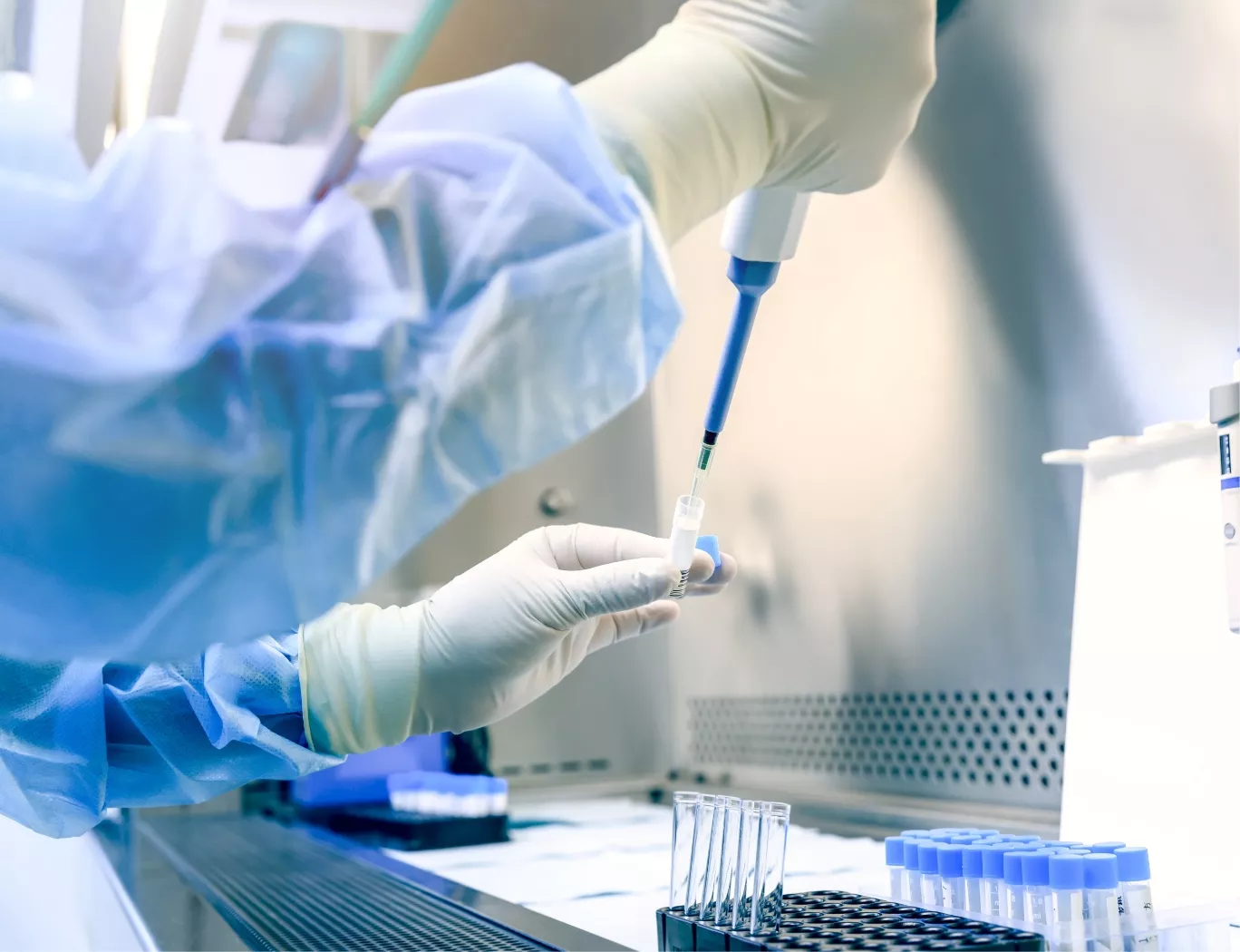
A close-up of a pipette dispensing liquid into a rack of test tubes, set against a cool-toned, sterile background.

Frequently Asked Questions

    What is the most common failure point in AAV purification tech transfer?

    The most frequent issue is a failure to demonstrate analytical comparability between the sending and receiving units. This often stems from inadequately characterized reference standards, differences in analytical equipment, or subtle variations in operator technique that impact final purity profiles and potency assays.

    How are process changes managed during a global tech transfer?

    Process changes are managed through a structured change control system. Any deviation from the established process, whether in raw materials, equipment, or operating parameters, requires a formal risk assessment to evaluate its potential impact on the vector’s quality attributes. Scale-down models are often used to qualify these changes before implementation at the GxP scale.

    What documentation is required for transferring a process to a GxP facility?

    A comprehensive tech transfer package is required. This includes a detailed process description, batch manufacturing records from development runs, raw material specifications, in-process control (IPC) limits, analytical method qualification or validation reports, and a formal tech transfer plan outlining roles, responsibilities, and acceptance criteria.

A scientist in protective gear pipetting a sample into a vial within a sterile laboratory hood.

The Challenge of Process Reproducibility

Transferring a downstream purification process for AAV or lentiviral vectors is a complex technical undertaking. The inherent biological variability of these products means that seemingly minor deviations in column chromatography, filtration steps, or buffer preparation between sites can lead to significant shifts in product purity, yield, and the ratio of full to empty capsids. A process that performs well in a development lab can fail under the constraints of a GxP manufacturing suite if not properly characterized.

The objective is to create a process that is robust enough to absorb minor operational differences while consistently delivering a product that meets all predefined quality specifications. This requires a deep understanding of the process parameters that directly influence the final vector’s biological activity and safety profile.

Establishing Analytical Comparability

Analytical methods are the foundation of a successful tech transfer. Before any process is moved, a panel of qualified or validated assays must be in place to prove that the material produced at the receiving site is biochemically and functionally equivalent to the material from the sending site.

Key considerations for analytical comparability include:

  • Potency Assays: Cell-based potency assays are particularly sensitive to transfer. Establishing a well-characterized cell bank and a robust reference standard is necessary to ensure consistent results across different labs and operators.

  • Impurity Profiling: The purification process must consistently remove process-related impurities, such as host cell proteins and DNA. Failure to control these impurities can impact the in vivo safety profile, a consideration supported by historical findings on vector immunogenicity (PMID: 21204705).

  • Vector Integrity: The choice of vector itself, informed by early efficacy data (PMID: 16677864), dictates the purification strategy. The process must be tailored to the specific AAV serotype or lentiviral construct to preserve capsid integrity and transgene function throughout the downstream steps.

“We started collaborating with UPenn Vector core in 2023 and the AAV vector which they manufactured laid a foundation for development of a gene therapy candidate which will enter soon preclinical studies. The key people from UPenn Vector Core joined Franklin Biolabs and our partnership transitioned without interruption from UPenn Vecor Core to Franklin Biolabs Research Vector Division. Franklin Biolabs serves as a key collaborator for our AAV-vector based gene therapy candidate development and we hope to continue the partnership for years to come.”
— Biotech Partner

Navigating Global Regulatory Frameworks

A tech transfer intended to support multinational clinical trials must account for differing regulatory expectations. While the core scientific principles are consistent, the documentation requirements for an Investigational Medicinal Product Dossier (IMPD) for an MHRA submission may have different points of emphasis than an IND filing with the FDA.

A global strategy considers these nuances from the outset. This includes aligning on raw material sourcing and testing, equipment qualification standards, and the level of detail required in batch records to satisfy multiple health authorities. This proactive approach prevents costly delays and extensive rework later in the clinical timeline, enabling a seamless tech transfer accelerating GMP readiness.

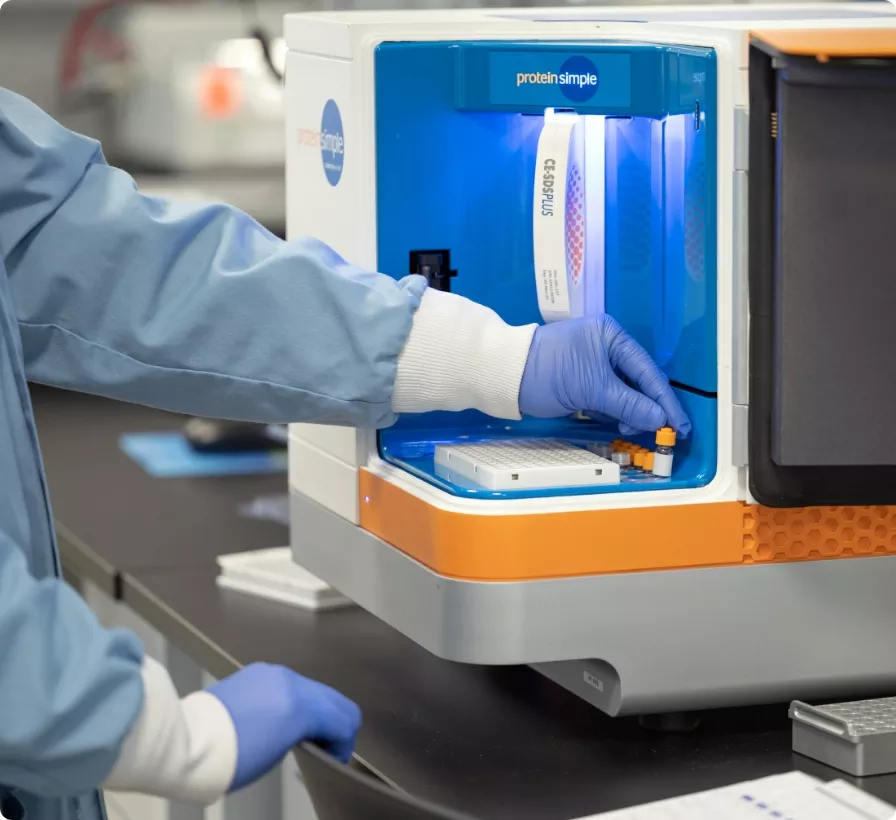
A scientist in a lab coat and gloves loads samples into a ProteinSimple instrument for analysis.

Technical Visualization: Viral Vector Tech Transfer Framework

Scientific Process Diagram

This content is for informational purposes. For guidance specific to your therapeutic program, please contact our team for a consultation.