Cost-of-Goods (COGs) Modeling for Large-Scale AAV Manufacturing: Suspension vs. Adherent Platforms

PROVEN INTELLIGENCE ACCELERATING NEXT-GENERATION THERAPIES

Cost-of-Goods (COGs) Modeling for Large-Scale AAV Manufacturing: Suspension vs. Adherent Platforms

Cost-of-Goods (COGs) Modeling for AAV Manufacturing: Suspension vs. Adherent Platforms

CELL & GENE | RNA | BIOLOGICS
Proven Intelligence Accelerating Next-Generation Therapies.

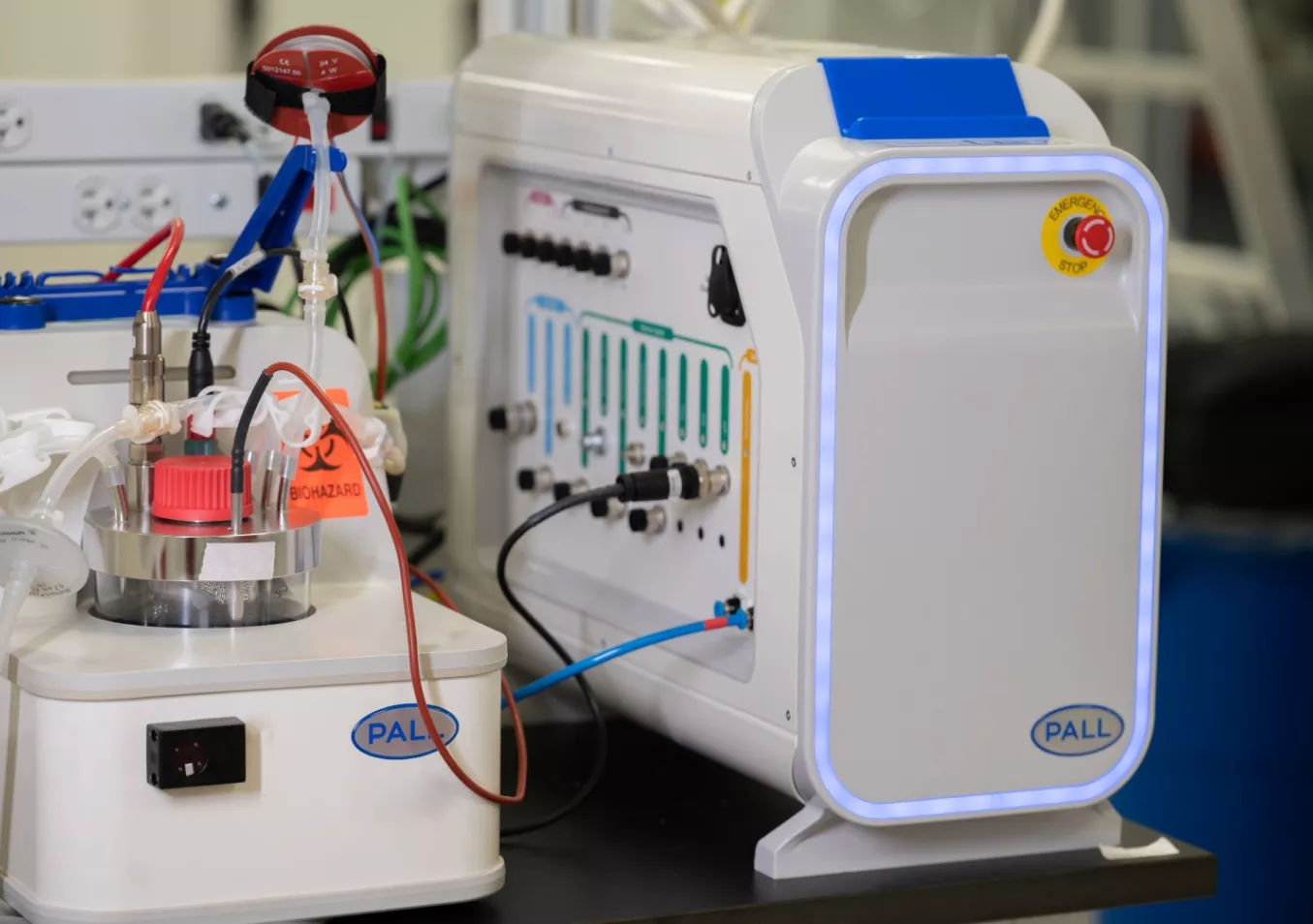
A close-up shot of a modern bioreactor system and control unit from Pall Corporation in a clean laboratory environment.

A stylized 3D rendering of a DNA double helix, composed of light-colored spheres on a translucent blue backbone, set against a soft-focus, light blue background.

Executive Summary

An accurate Cost-of-Goods (COGs) model is a foundational component of any clinical program for an adeno-associated virus (AAV) vector. The selection of a manufacturing platform, primarily between suspension and adherent cell culture systems, directly dictates process scalability, cost per dose, and the timeline for generating material for GxP toxicology studies and clinical trials. This analysis outlines the key variables influencing COGs for both platforms, providing a framework for sponsors preparing for regulatory submissions to agencies like the UK’s MHRA.

Frequently Asked Questions

    What is the primary driver of COGs in AAV manufacturing?

    Plasmid DNA is often the most significant cost driver, followed by consumables like cell culture media and purification resins. The choice between suspension and adherent platforms influences the efficiency and scale at which these materials are used.

    How does platform choice affect scalability and cost?

    Suspension culture in single-use bioreactors generally offers more linear scalability and a lower COGs profile at commercial scale (>500L). Adherent platforms, using systems like iCELLis fixed-bed bioreactors, can be highly efficient for programs requiring moderate scale production or for cell lines that are difficult to adapt to suspension.

    When should a program transition from an adherent to a suspension platform?

    The decision is data-driven, based on target indication, required dosage, and long-term commercial projections. A transition is often considered when moving from early-phase clinical trials to pivotal studies where material demand increases substantially. Franklin Biolabs provides process development support for both platforms to facilitate this analysis.

    Does the AAV serotype influence manufacturing platform selection?

    Yes. While many common serotypes (e.g., AAV8, AAV9) have established processes on both platforms, novel or engineered capsids may exhibit different productivity profiles. As research into unique transduction patterns continues (PMID: 18714307), process development is required to optimize yield and purity for a specific capsid on a given platform.

Platform Selection for Clinical Viability

The choice between suspension and adherent platforms is a strategic decision that impacts the entire clinical and commercial trajectory of a therapeutic candidate. The model must account for upstream productivity, downstream purification efficiency, and the analytical release testing required for each batch.

An established and well-characterized manufacturing platform provides significant advantages for advanced therapy medicinal products (ATMPs). A robust process reduces variability, which is a key point of evaluation in Investigational Medicinal Product Dossier (IMPD) submissions and subsequent regulatory interactions with the MHRA. The ability to produce consistent, high-quality vector material is a prerequisite for demonstrating control over the manufacturing process.

Learn more about our facilities by viewing the full tour [here]).

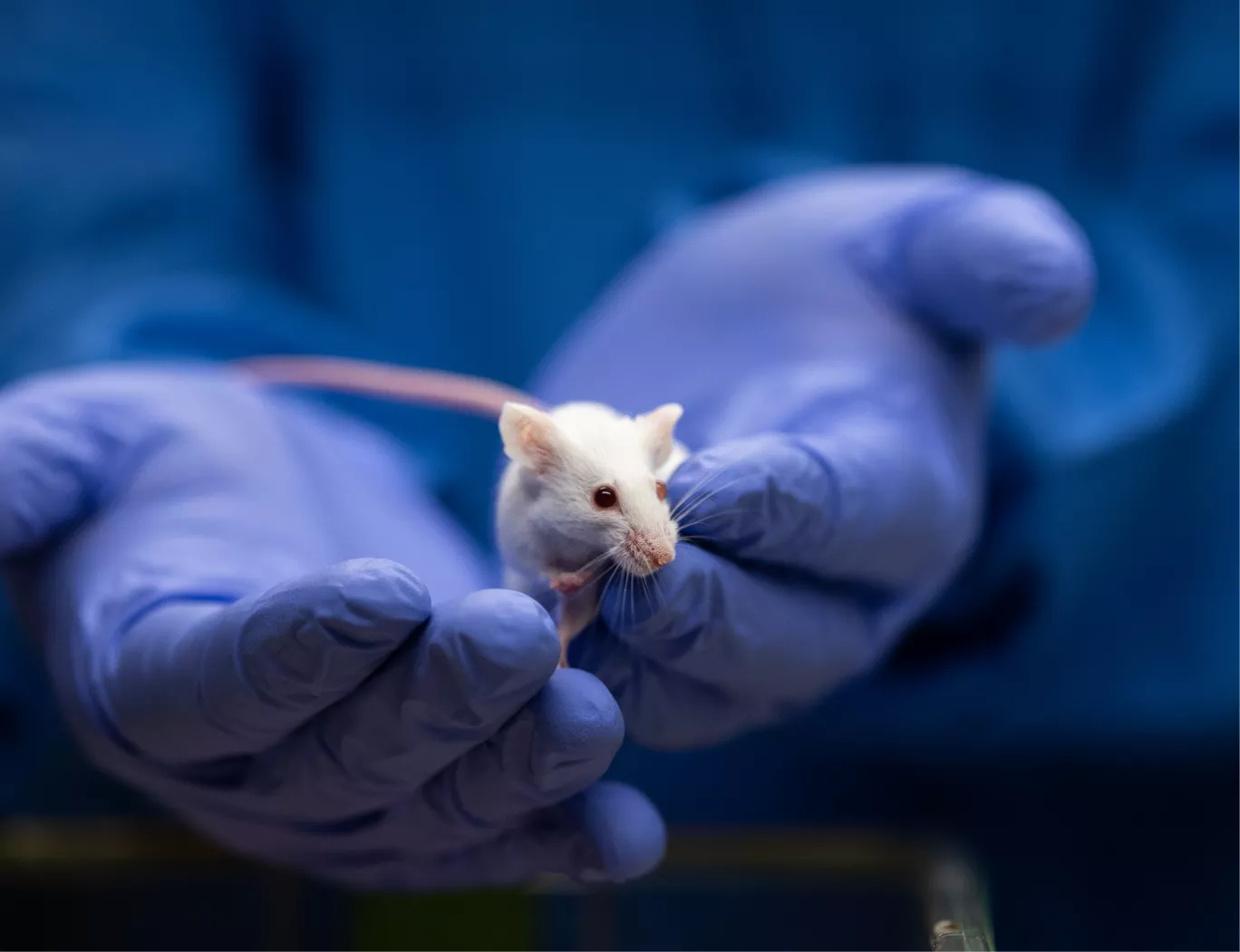
A close-up of a scientist in blue gloves gently holding a small, white laboratory mouse, likely in a research setting.

Comparing Suspension and Adherent AAV Production

The optimal platform depends entirely on the specific goals of the program. Our >100,000 sq ft facility is equipped to handle both, enabling a flexible approach to process development and large-scale production runs.

Feature Suspension Platform (Single-Use Bioreactors) Adherent Platform (Fixed-Bed Bioreactors)
Scalability High; linear scale-up from 2L to 500L+ Moderate; scale-out by adding more surface area
Cell Line Requires adaptation of cells to suspension culture Utilizes anchorage-dependent cell lines (e.g., HEK293)
Process Control High degree of control over pH, DO, and temp More complex shear stress and nutrient gradients
Typical Use Case Late-stage clinical and commercial manufacturing Early-stage clinical, IND-enabling studies
COGs Profile Lower cost per dose at very large scales Potentially higher cost per dose at large scales

Our scientific teams guide sponsors through this decision matrix, ensuring the selected platform aligns with the 18-24 month timeline to get candidates to IND.

Process Development and Tech Transfer

Franklin Biolabs provides process knowledge continuity by engaging the same team that worked on early process development to execute GMP-comparable manufacturing and support tech transfer. This model mitigates risk associated with handoffs between different organizations. Scalable Manufacturing Strategies Accelerating Clinical Production. This approach has been a factor in the 100% successful IND rate for programs supported since 2019 by the teams and capabilities that now form Franklin Biolabs, which launched as a new commercial entity in 2024.

For more information on our core manufacturing services, please see our parent page on Large-Scale AAV Manufacturing and Process Development.

Technical Visualization: AAV Manufacturing Platform Comparison

Scientific Process Diagram

This content is for informational purposes. For guidance specific to your therapeutic program, please contact our team for a consultation.