Development of a Platform Downstream Process for AAV Vectors in the European Market

PROVEN INTELLIGENCE ACCELERATING NEXT-GENERATION THERAPIES

Development of a Platform Downstream Process for AAV Vectors in the European Market

Platform Downstream Process Development for AAV Vectors

CELL & GENE | RNA | BIOLOGICS
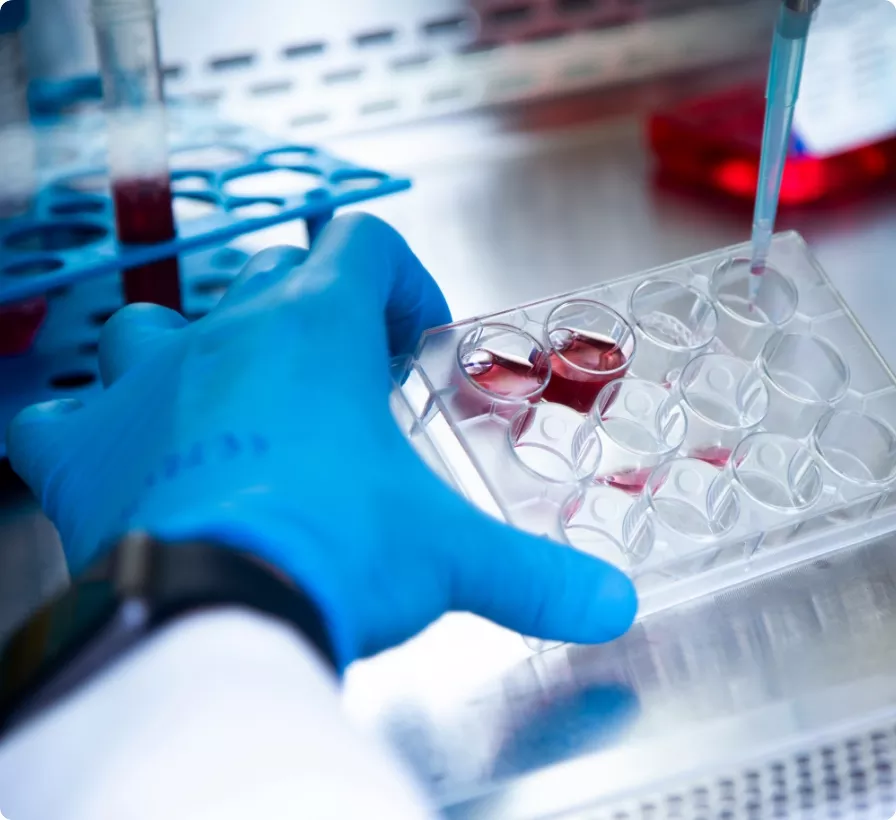
A scientist pipetting a red liquid into a multi-well plate in a laboratory setting.

Proven Intelligence Accelerating Next-Generation Therapies.

Executive Summary

A robust, scalable downstream process is a prerequisite for AAV vector clinical translation and commercialization, particularly when navigating European regulatory pathways. This asset outlines a platform approach to AAV purification designed to manage serotype-specific challenges, enhance product quality attributes, and align with Investigational Medicinal Product Dossier (IMPD) expectations. The focus is on creating reproducible processes that de-risk technology transfer and accelerate timelines, leveraging our >100,000 sq ft facility to support programs aiming for an 18-24 month IND timeline.

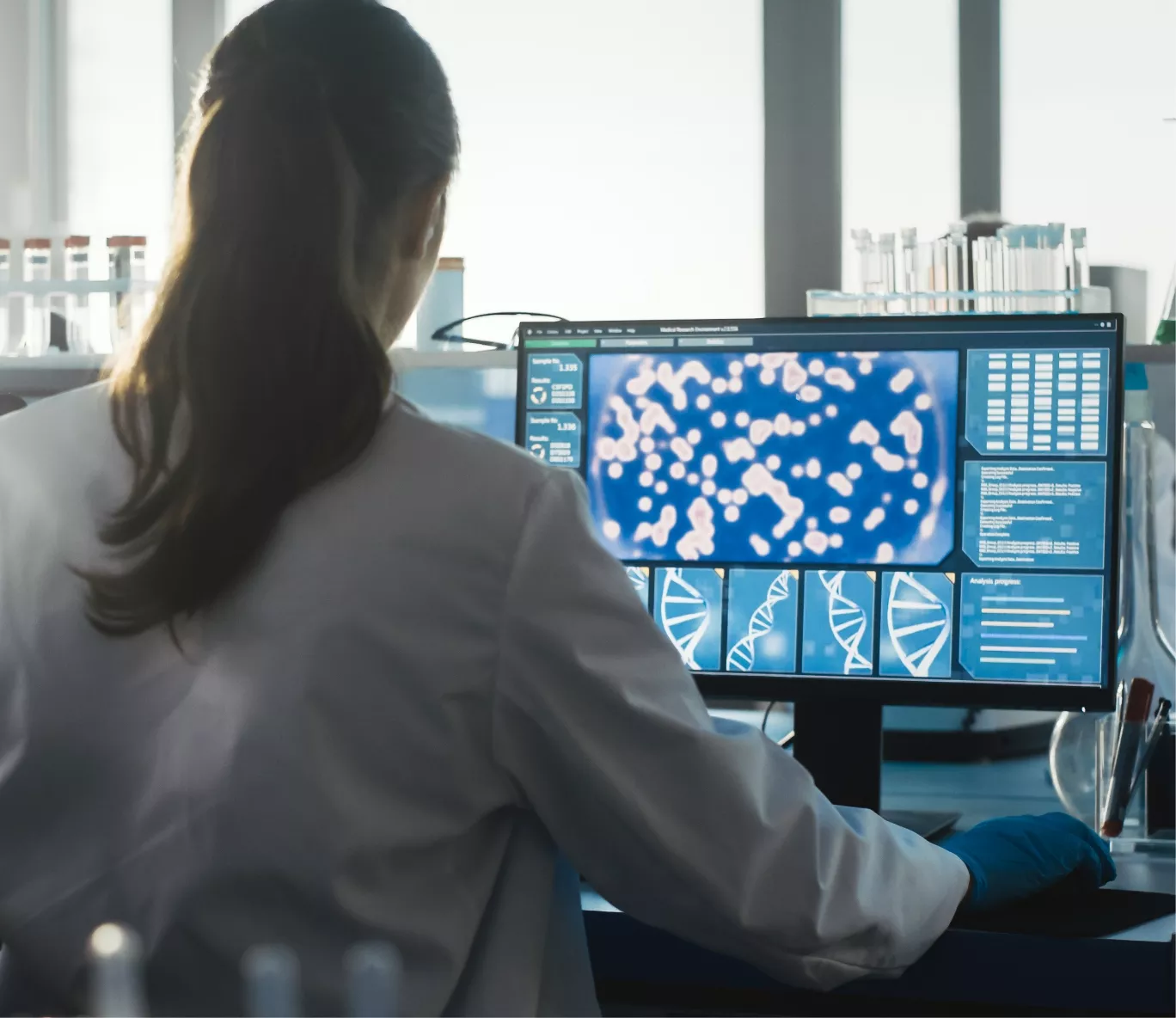
A female scientist in a lab coat analyzes complex biological data, including cellular imagery and DNA models, on a computer screen.

Frequently Asked Questions

    What is a “platform” downstream process for AAV?

    A platform process utilizes a standardized series of purification steps (e.g., clarification, affinity capture, ion-exchange polishing) that can be adapted with minor modifications for different AAV serotypes and transgenes. This approach accelerates development timelines and improves process consistency.

    How do you manage empty vs. full capsid separation?

    We employ advanced ion-exchange chromatography (AEX) and/or ultracentrifugation methods during the polishing stages. The specific method is selected and optimized based on the AAV serotype’s pI (isoelectric point) and the required purity profile for the target indication.

    Can this process scale from preclinical to GxP manufacturing?

    Yes. The platform is designed with scalability in mind. All unit operations, buffers, and resins are selected to ensure a clear path from small-scale development runs to large-scale bioreactors (up to 500L+) suitable for GxP production at a strategic partner’s facility.

    How does this align with MHRA or other European agency expectations?

    The process is built to generate data packages that support IMPD submissions. This includes robust documentation on impurity clearance (e.g., host cell protein, DNA), capsid purity, and process consistency, addressing the rigorous quality standards required for Advanced Therapy Medicinal Products (ATMPs).

A senior scientist with grey hair is mentoring a diverse group of younger scientists or students in a laboratory setting.

Establishing a Scalable AAV Purification Blueprint

Developing a purification strategy for an AAV vector requires a forward-looking approach that anticipates future manufacturing and regulatory demands. A non-platform, ad-hoc process developed for early research material often fails during scale-up, leading to significant delays. The objective is to establish a purification train that consistently delivers a high-purity, high-potency product, irrespective of the upstream production system.

The regulatory journey of early gene therapies in the European Union provided a clear lesson: process is product. As outlined in the review of Glybera’s market authorization, a well-characterized and consistent manufacturing process is fundamental to a successful submission (PMID: 23808604). This history informs our development of Strategic Process Blueprints Accelerating Technology Transfer.

Mitigating Biological Variables Through Process Design

The inherent biology of AAV vectors directly influences purification strategy. Preexisting immunity to AAV capsids can impact in vivo efficacy, making the removal of immunogenic impurities a primary process objective (PMID: 16219492). A robust downstream process must effectively clear host cell proteins, residual plasmid DNA, and process-related impurities that could potentiate an adverse immune response.

Our platform addresses these variables by focusing on:

  • Serotype-Agnostic Capture: Utilizing affinity chromatography resins (e.g., POROS CaptureSelect AAVX) that bind a wide range of AAV serotypes, including AAV1, AAV2, AAV5, AAV8, and AAV9, creating a standardized first step.

  • Targeted Polishing Steps: Employing anion-exchange (AEX) or cation-exchange (CEX) chromatography to separate full capsids from empty capsids and other product-related impurities.

  • Orthogonal Clearance Methods: Incorporating tangential flow filtration (TFF) for buffer exchange and final formulation, which also serves as an additional, orthogonal step for impurity removal.

Learn More: Watch the full webinar, “Vector Ready: Where AAV projects begin and how they succeed”

“We started collaborating with UPenn Vector core in 2023 and the AAV vector which they manufactured laid a foundation for development of a gene therapy candidate which will enter soon preclinical studies. The key people from UPenn Vector Core joined Franklin Biolabs and our partnership transitioned without interruption from UPenn Vecor Core to Franklin Biolabs Research Vector Division. Franklin Biolabs is a key collaborator in our AAV-vector based gene therapy candidate development and we hope to continue the partnership for years to come.”
— Biotech Partner

A senior scientist leads a discussion with a group of diverse junior scientists in a bright, modern laboratory setting.

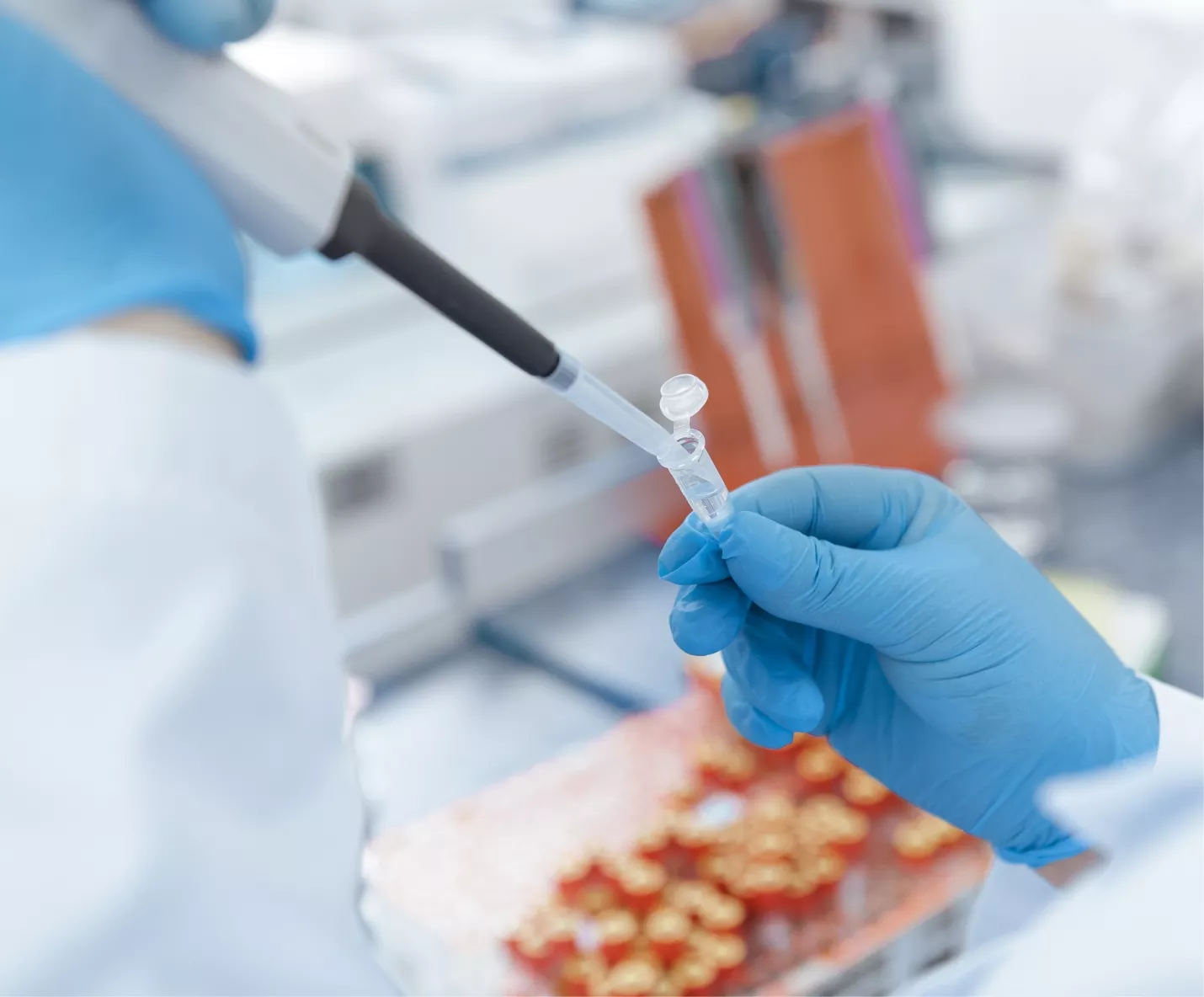
A close-up shot of a scientist in a lab coat and blue gloves using a micropipette to transfer a liquid sample into a small test tube.

From Development to GxP Readiness

The Franklin Biolabs team that executes early process development and preclinical production remains engaged to support GxP manufacturing at a strategic partner’s CDMO suite. This continuity of personnel and process knowledge minimizes risks during technology transfer. This model ensures that the process developed at small scale is the same process that will be implemented under GxP conditions, a key consideration for regulatory bodies like the MHRA. This approach is informed by our team’s 100% successful IND rate for programs initiated since 2019, with the Franklin Biolabs brand itself launching in 2024 to carry this expertise forward.

Technical Visualization: Platform AAV Downstream Purification Workflow

Scientific Process Diagram

This content is for informational purposes. For guidance specific to your therapeutic program, please contact our team for a consultation.