Development of Chemically Defined Media for Robust AAV Production Processes

PROVEN INTELLIGENCE ACCELERATING NEXT-GENERATION THERAPIES

Development of Chemically Defined Media for Robust AAV Production Processes

Development of Chemically Defined Media for AAV Production

CELL & GENE | RNA | BIOLOGICS
Executive Summary

Transitioning from serum-dependent to chemically defined media is a required step for developing a robust, scalable, and regulatory-compliant AAV production process. This approach mitigates the inherent lot-to-lot variability and supply chain risks associated with animal-derived components. Franklin Biolabs focuses on systematic process development to create optimized, chemically defined media formulations that enhance vector yield, ensure batch consistency, and simplify the path toward Investigational Medicinal Product Dossier (IMPD) and IND submissions. Our process work occurs within a >100,000 sq ft facility, designed to support programs aiming for an 18-24 month timeline to IND.

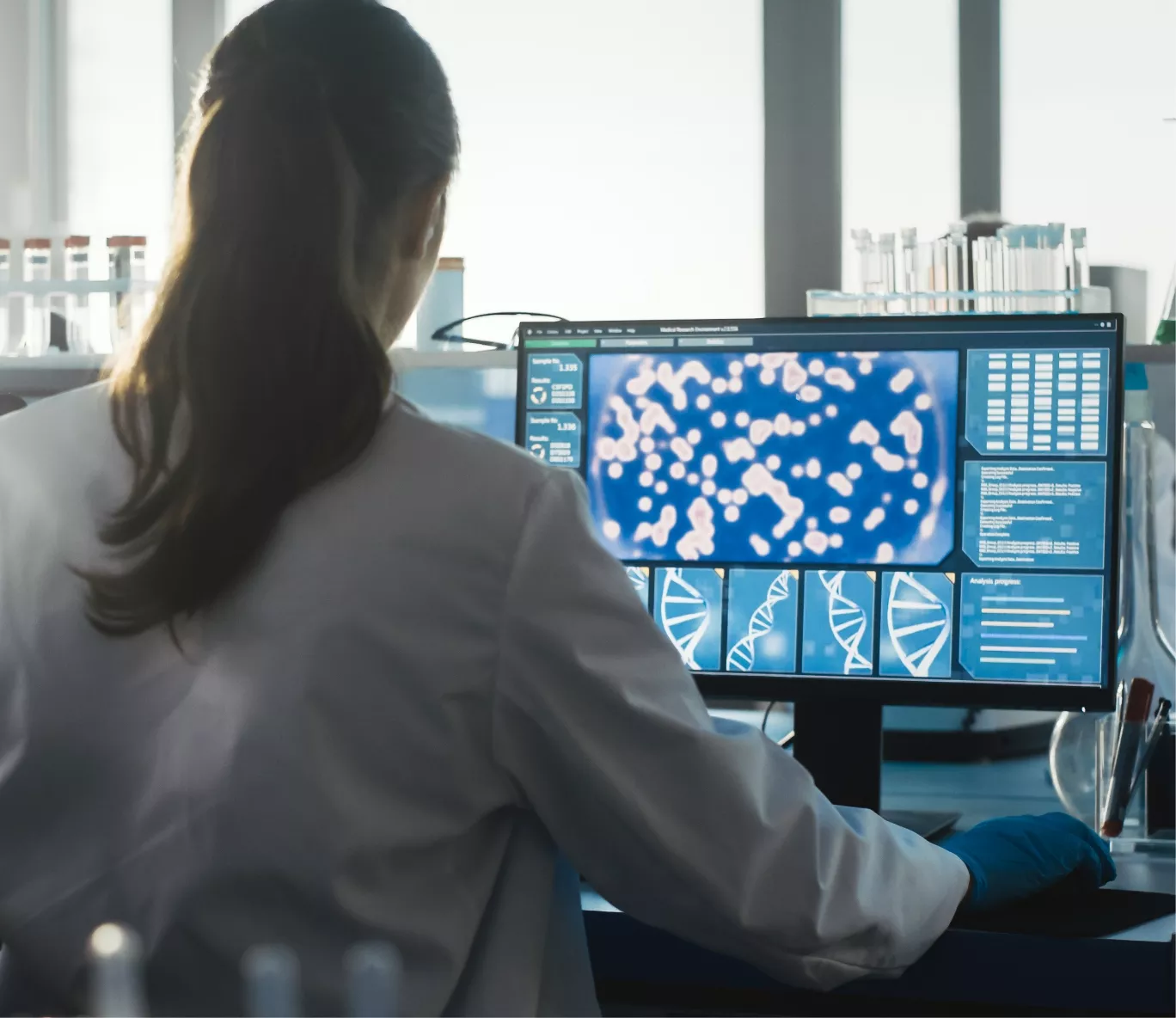
A female scientist in a lab coat analyzes complex biological data, including cellular imagery and DNA models, on a computer screen.

Frequently Asked Questions

    What is chemically defined media in the context of AAV production?

    A chemically defined medium is a growth medium for cell culture in which all chemical components are known. It contains no undefined animal-derived components like fetal bovine serum (FBS) or hydrolysates, which increases batch-to-batch consistency and simplifies regulatory compliance.

    Why is transitioning to chemically defined media important for clinical AAV programs?

    The transition is a key de-risking activity. It eliminates the significant process variability and potential for adventitious agent contamination associated with serum. Regulatory bodies, particularly for Advanced Therapy Medicinal Products (ATMPs) in Europe, expect well-characterized and consistent manufacturing processes.

    How does this process impact vector quality and yield?

    Systematic optimization of a chemically defined media and feed strategy can directly improve key quality attributes. This includes enhancing volumetric productivity, improving the ratio of full-to-empty capsids, and reducing the burden of process-related impurities for downstream purification.

    What is the typical timeline for developing a custom chemically defined process?

    While program-specific, a focused process development effort involving media screening, optimization, and scale-up confirmation runs can be integrated within the broader preclinical manufacturing timeline. The goal is to establish a locked-down process well ahead of producing material for IND-enabling toxicology studies.

A senior scientist with grey hair is mentoring a diverse group of younger scientists or students in a laboratory setting.

The Challenge with Undefined Media Components

Historically, many research-grade viral vector production platforms relied on media supplemented with animal-derived serum. While effective for initial discovery, this approach introduces significant variability that is untenable for a clinical manufacturing program.

Serum composition varies between lots, impacting cell growth kinetics, transfection efficiency, and overall vector productivity. This lack of control complicates process characterization and creates risks for regulatory submissions.

Transitioning to Chemically Defined Systems for AAV

A core objective of process development is the systematic elimination of undefined components. By establishing a robust process based on chemically defined media, AAV developers gain precise control over the manufacturing environment.

This transition delivers several direct benefits:

  • Enhanced Reproducibility: Ensures consistent performance from run to run, which is fundamental for GxP compliance.

  • Improved Scalability: Chemically defined processes are more amenable to scale-up in bioreactors, from 2L to 500L+ suspension cultures.

  • Simplified Regulatory Path: A fully characterized process using defined raw materials strengthens the Chemistry, Manufacturing, and Controls (CMC) section of regulatory filings.

  • Reduced Contamination Risk: Eliminates the risk of introducing adventitious agents from animal-derived materials.

A senior scientist leads a discussion with a group of diverse junior scientists in a bright, modern laboratory setting.

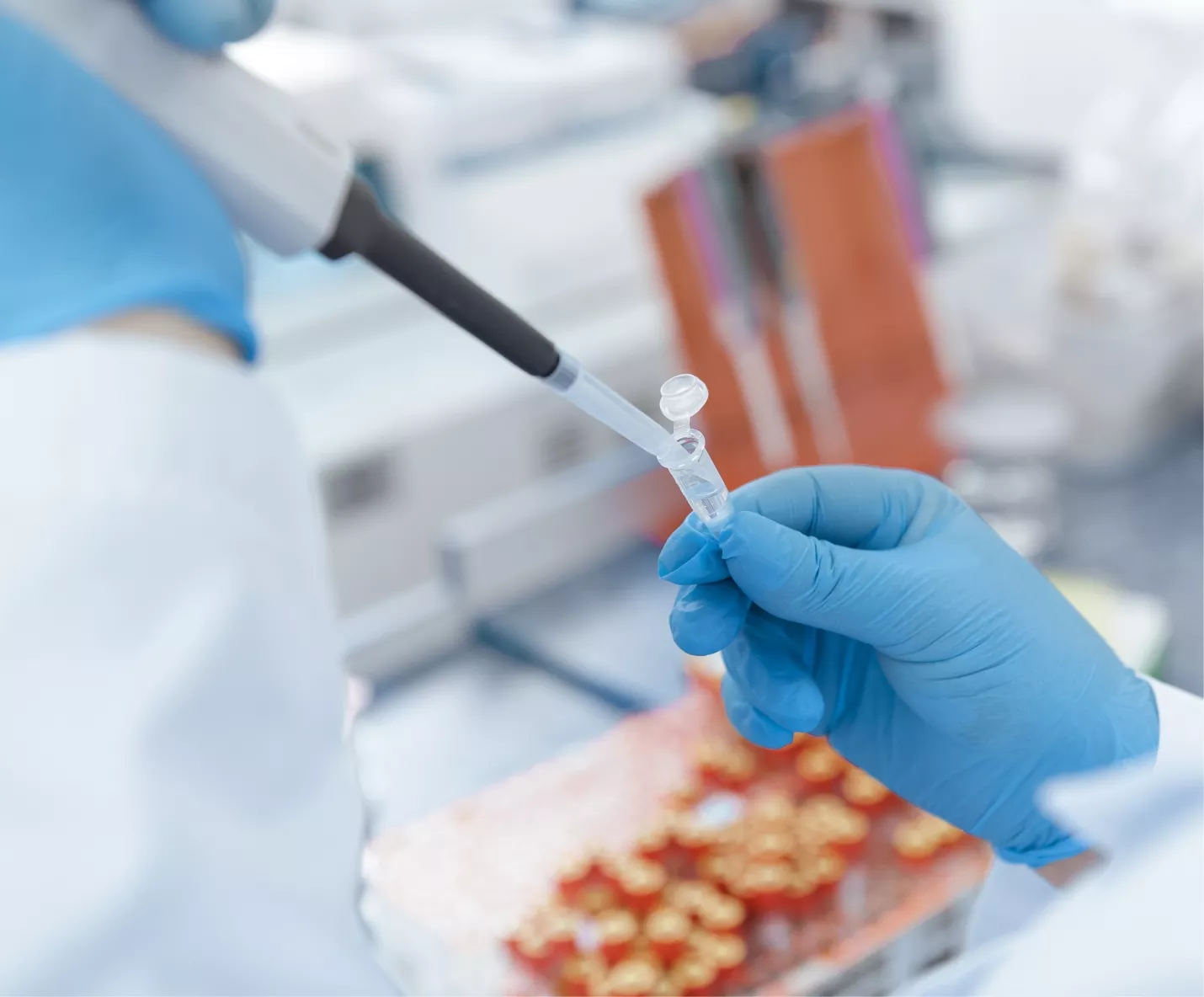
A close-up shot of a scientist in a lab coat and blue gloves using a micropipette to transfer a liquid sample into a small test tube.

Mitigating Biological Variability for Regulatory Alignment

A well-controlled manufacturing process also minimizes process-related impurities that can affect the final product’s biological activity. For instance, residual components from the production system can contribute to the immunogenic profile of an AAV vector. Peer-reviewed findings show that innate immune signaling pathways can mediate adaptive immune responses to AAV gene therapies (PMID: 31703913).

By moving to a chemically defined system, we reduce the load of undefined biological molecules that could trigger these pathways, contributing to a cleaner, more consistent product profile. This proactive control is a key element in building a comprehensive data package for European authorities reviewing ATMPs and for FDA submissions.

“The key people from UPenn Vector Core joined Franklin Biolabs and our partnership transitioned without interruption from UPenn Vecor Core to Franklin Biolabs Research Vector Division. Franklin Biolabs is integral to our AAV-vector based gene therapy candidate development, and we hope to continue the partnership for years to come.”
— Biotech Partner

Franklin Biolabs’ Process Development Approach

Our team, which includes scientific leadership from the Penn Vector Core, has a deep history in advancing AAV programs. While the Franklin Biolabs brand launched in 2024, our scientific lineage has contributed to a 100% successful IND rate for sponsors since 2019.

We develop tailored, serotype-specific processes for both natural (e.g., AAV8, AAV9) and engineered capsids. Our work focuses on optimizing transfection parameters, developing custom feed strategies, and confirming scalability to ensure the process is robust before technology transfer. These activities are foundational to our Strategic Process Blueprints Accelerating Technology Transfer.

A close-up of a gloved hand handling PCR tubes with blue liquid in a laboratory rack, with a blue color overlay.

Technical Visualization: Comparing AAV Production Media

Scientific Process Diagram

This content is for informational purposes. For guidance specific to your therapeutic program, please contact our team for a consultation.