Ensuring GMP Material Readiness for Clinical Trials Initiated in Switzerland

PROVEN INTELLIGENCE ACCELERATING NEXT-GENERATION THERAPIES

Ensuring GMP Material Readiness for Clinical Trials Initiated in Switzerland

GMP Manufacturing Support for Viral Vectors in Switzerland

CELL & GENE | RNA | BIOLOGICS
Proven Intelligence Accelerating Next-Generation Therapies.

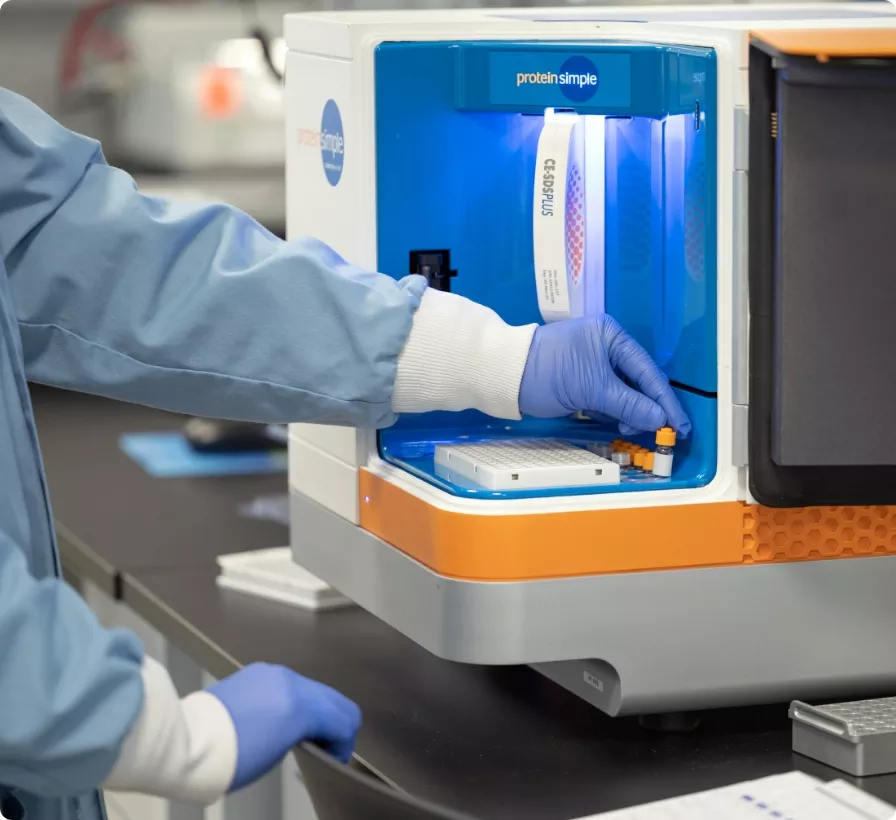
A scientist in a lab coat and gloves loads samples into a ProteinSimple instrument for analysis.

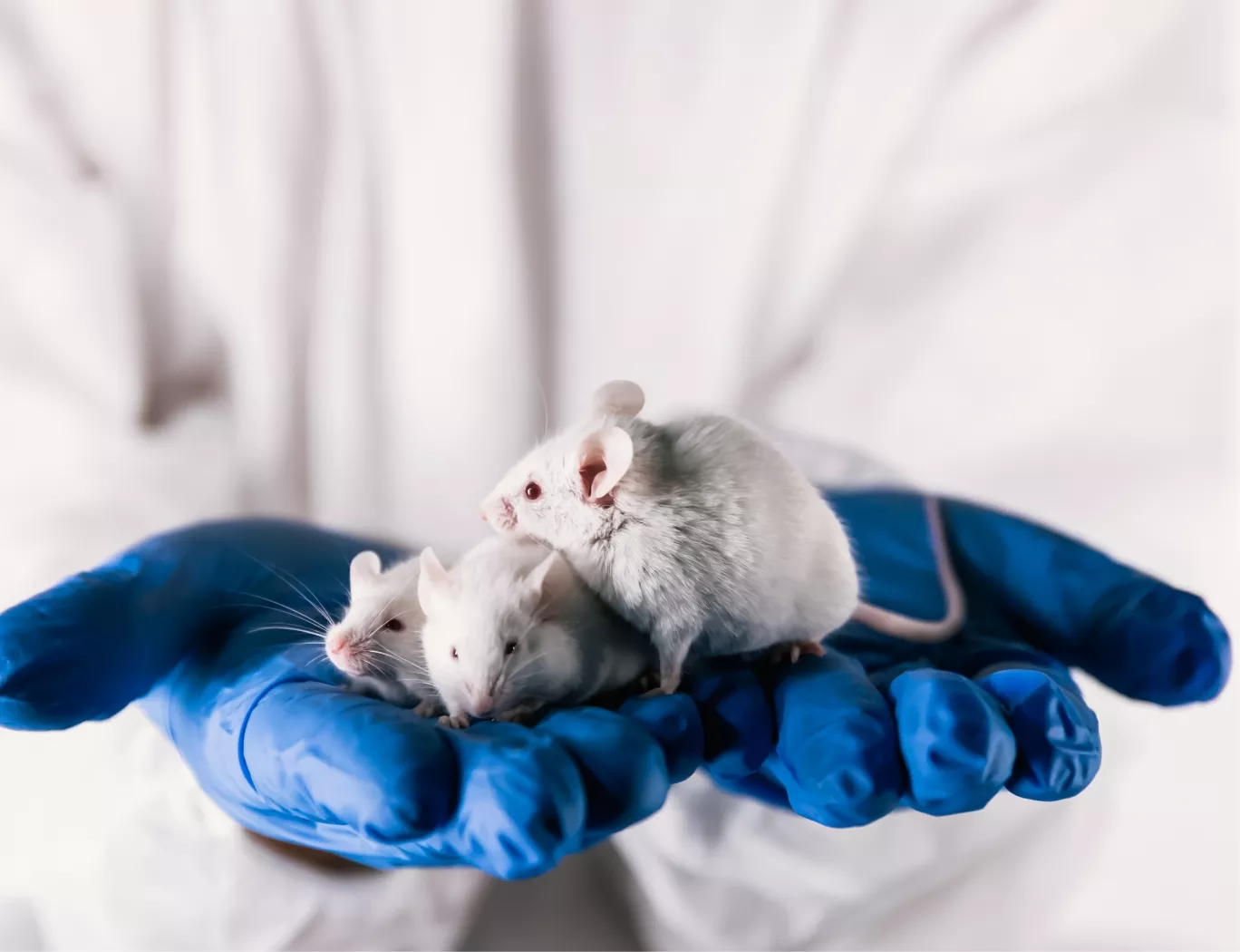
A researcher in a lab coat and blue gloves gently holds three white lab mice, symbolizing animal models in scientific research.

Executive Summary

For biotech sponsors targeting clinical trials in Switzerland, the technology transfer of a viral vector manufacturing process is a pivotal and high-risk phase. A successful transfer requires a meticulously documented, scalable, and regulatory-aligned process established long before GMP suite allocation. This asset outlines the technical framework for achieving GMP material readiness, focusing on process finalization, analytical assay transfer, and the documentation required for Investigational Medicinal Product Dossier (IMPD) submissions to Swissmedic. Franklin Biolabs provides process knowledge continuity, engaging the same scientific team from early development through to GMP manufacturing oversight, mitigating risks associated with traditional transfers.

Frequently Asked Questions

What are the primary CMC risks when transferring an AAV process for Swiss clinical trials?
The primary risks involve process variability and analytical discrepancies. If the manufacturing process is not sufficiently locked down and characterized before transfer, any changes made at the GMP facility can alter the vector’s defined quality attributes (CQAs). Similarly, analytical methods that are not robust or properly qualified can lead to inconsistent release testing, delaying IMPD approval and clinical initiation.
How does Franklin Biolabs ensure consistency between preclinical and GMP vector batches?
We achieve consistency by maintaining team continuity. The same scientific experts who develop and optimize your vector’s production process for preclinical material also oversee the technology transfer and provide Person-in-Plant (PIP) support during the GMP run. This approach, executed within our >100,000 sq ft facility, ensures that nuanced process knowledge is retained, minimizing deviations and accelerating the path to an approved clinical batch.
What level of analytical assay qualification is needed for a Phase 1 IMPD submission?
For a Phase 1 submission to Swissmedic, analytical methods used for product characterization and release should be qualified to demonstrate they are fit for purpose. This includes assessing specificity, linearity, accuracy, and precision. Potency assays, in particular, require significant attention to ensure they are robust and reflective of the vector’s mechanism of action. All assays must be developed and qualified under phase-appropriate GxP guidelines.

Establishing a Transfer-Ready Process

A successful technology transfer to a GMP manufacturing facility begins with a stable and well-understood production process. Attempting to optimize or troubleshoot a viral vector platform, whether it is an AAV, lentiviral, or adenoviral system, within the confines of a GMP environment introduces unacceptable risks to timelines and budgets.

The objective is to finalize all unit operations, from upstream bioreactor parameters in suspension or adherent systems to downstream purification steps, using materials and equipment representative of the GMP scale. This phase generates the process understanding and characterization data that form the core of the CMC section of an IMPD. Foundational non-clinical work demonstrating vector tolerability and a predictable safety profile (PMID: 28319449) is predicated on this process consistency, providing regulators with confidence in the material intended for human administration.

A digital rendering of a DNA double helix on a dark blue background with floating particles.

A stylized, 3D rendering of a DNA double helix in light blue and white, set against a soft-focus, light gray background.

The Mechanics of Process & Analytical Transfer

The transfer itself is a multi-faceted undertaking requiring precise coordination. The process is a structured exchange of information and expertise.

  • Process Documentation: A comprehensive tech transfer package includes detailed batch records, raw material specifications, and process flow diagrams.

  • Analytical Method Transfer: All QC analytics, including vector genome titer, purity, and potency assays, must be formally transferred. This often involves side-by-side testing between facilities to ensure comparable results.

  • Personnel & Oversight: Our model provides Person-in-Plant support, where our scientists are physically present at the CDMO facility to oversee the execution of the GMP batch, ensuring adherence to the established process.

A Scientific Extension for GMP Readiness

Franklin Biolabs operates as a scientific extension of your team, ensuring the process is robust and the transfer is managed effectively. Our established platform methodologies for AAV scalable suspension and adherent production shorten tech transfer timelines, which contributes to our typical 18-24 month timeline to get candidates to IND. While the Franklin Biolabs brand launched in 2024, our team’s track record includes a 100% successful IND rate since 2019. We provide the deep process knowledge and CMC strategic recommendations required to navigate global regulatory requirements, including those for EU and MHRA submissions.

Technical Visualization: Viral Vector Tech Transfer Pathway

Scientific Process Diagram

This content is for informational purposes. For guidance specific to your therapeutic program, please contact our team for a consultation.