Optimizing Baculovirus Expression Vector System (BEVS) for Scalable AAV Production in Sf9 Cells

PROVEN INTELLIGENCE ACCELERATING NEXT-GENERATION THERAPIES

Optimizing Baculovirus Expression Vector System (BEVS) for Scalable AAV Production in Sf9 Cells

Optimizing Baculovirus Expression Vector Systems for Scalable AAV Production

CELL & GENE | RNA | BIOLOGICS

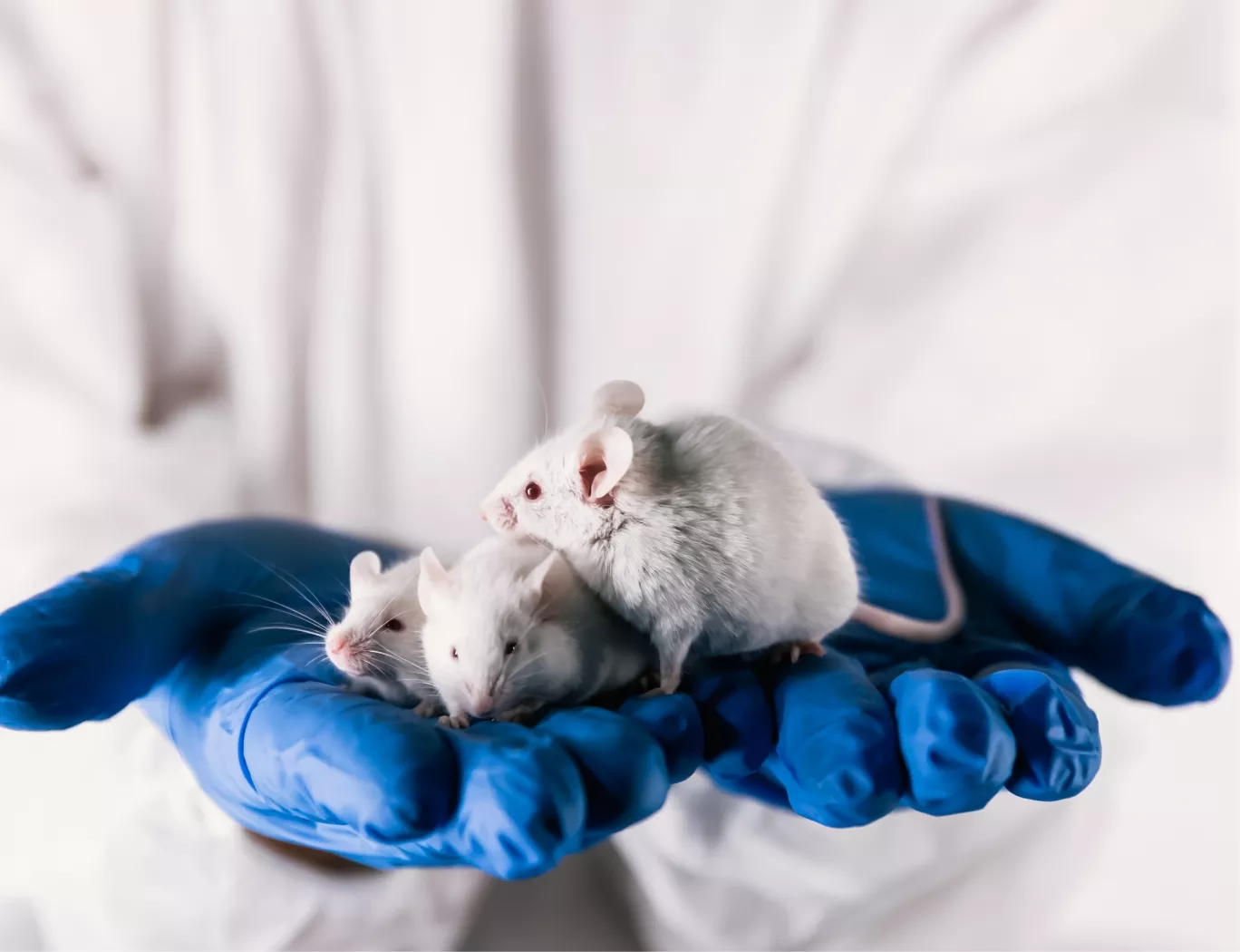
A researcher in a lab coat and blue gloves gently holds three white lab mice, symbolizing animal models in scientific research.

Proven Intelligence Accelerating Next-Generation Therapies.

Executive Summary

The Baculovirus Expression Vector System (BEVS) using Sf9 insect cells is a recognized platform for producing Adeno-Associated Virus (AAV) vectors at scale. This approach can improve batch-to-batch consistency and volumetric productivity compared to adherent mammalian systems, a requirement for supplying preclinical and clinical programs. Franklin Biolabs has developed process controls to manage known challenges with this system, including potential variations in capsid properties and vector potency. Our development programs focus on optimizing infection parameters and downstream purification to generate high-quality vector material suitable for IND-enabling toxicology studies and European Investigational Medicinal Product Dossier (IMPD) filings.

A digital rendering of a DNA double helix on a dark blue background with floating particles.

Technical FAQ: AAV Production via BEVS/Sf9

    What is the primary advantage of BEVS over plasmid transfection in HEK293 cells?

    The main advantage is scalability. The BEVS/Sf9 system is based on viral infection, which supports consistent AAV production in large-volume suspension bioreactors (from 2L to 500L+). This process is less complex and more cost-effective to scale than adherent HEK293 cell culture.

    How are potential inconsistencies in vector potency from BEVS/Sf9 systems addressed?

    This is a known variable. Vector characteristics can differ from those produced in mammalian systems. We address this through rigorous process development, focusing on downstream purification methods that enrich for full, potent capsids and analytical characterization to confirm the final product meets all quality attributes before release.

    Can BEVS be used for novel or engineered AAV capsids?

    Yes. The system is adaptable to a wide range of AAV serotypes, including clinically validated capsids like AAV8 and AAV9, as well as engineered variants. Process parameters are specifically tailored to the serotype to optimize packaging efficiency and final vector titer.

    What are the key parameters for process optimization in a BEVS/Sf9 run?

    Optimization points include the multiplicity of infection (MOI) for both the Rep/Cap and transgene baculoviruses, cell density at infection, and harvest timing. Downstream, chromatography steps are refined to maximize the recovery of functional vectors and remove empty capsids and baculovirus-related impurities.

A stylized, 3D rendering of a DNA double helix in light blue and white, set against a soft-focus, light gray background.

Addressing the Scalability and Quality Equation

Achieving sufficient yield for AAV programs requires a manufacturing platform that is both robust and scalable. While suitable for initial research, plasmid-based transfection of mammalian cells presents challenges in cost and consistency at larger volumes. The BEVS platform, utilizing Sf9 insect cells in suspension, provides a direct path for scalable AAV production.

This method relies on co-infecting Sf9 cells with two distinct baculovirus vectors: one carrying the AAV rep and cap genes, and another carrying the gene-of-interest cassette flanked by AAV inverted terminal repeats (ITRs). While this infection-based system ensures efficient delivery of genetic components, unrefined processes can yield vectors with altered post-translational modifications on the capsid, potentially impacting in vivo potency. A tailored, data-driven development strategy is required to manage this.

Data-Driven Process Development for Vector Integrity

A standardized template is insufficient for advanced viral vector programs. Our approach begins with a process development strategy tailored to the specific AAV serotype and transgene to ensure the final manufacturing process is well-characterized.

  • Upstream Optimization: We define process parameters, including media selection, cell growth kinetics, and infection timing to maximize volumetric productivity.

  • Downstream Purification: We employ platform-based or client-specific purification methods designed to meet stringent quality requirements, focusing on the efficient removal of empty capsids and process-related impurities specific to the insect cell platform.

  • Analytical Characterization: A comprehensive panel of GxP-compliant assays is used to confirm vector titer, purity, potency, and identity, providing the data package required for IND-enabling toxicology studies.

The integrity of the vector produced directly influences clinical outcomes. The mechanisms driving long-term transgene expression are dependent on the quality of the vector genome and capsid (PMID: 37932420). Likewise, developing platforms that can accommodate complex, regulated expression systems is necessary for advancing the utility of gene therapies (PMID: 12727112). The BEVS/Sf9 system, when properly controlled, provides the consistency needed to produce vectors with these advanced characteristics.

“We started collaborating with UPenn Vector core in 2023 and the AAV vector which they manufactured laid a foundation for development of a gene therapy candidate which will enter soon preclinical studies. The key people from UPenn Vector Core joined Franklin Biolabs and our partnership transitioned without interruption from UPenn Vecor Core to Franklin Biolabs Research Vector Division. Franklin Biolabs is an essential collaborator in our AAV-vector based gene therapy candidate development and we hope to continue the partnership for years to come.”
— Biotech Partner

This work is conducted within our >100,000 sq ft facility, designed to support parallel preclinical and manufacturing programs. This integrated environment allows our scientific teams to accelerate programs toward IND submission, typically on an 18-24 month timeline. While the Franklin Biolabs brand launched in 2024, our core scientific leadership and operational teams have maintained a 100% successful IND rate for sponsors since 2019.

This page provides information on our process development services. For details on our large-scale manufacturing capabilities, please see our parent hub page on Large-Scale AAV Manufacturing and Process Development.
Technical Visualization: BEVS/Sf9 AAV Production Workflow

Scientific Process Diagram

This content is for informational purposes. For guidance specific to your therapeutic program, please contact our team for a consultation.