Overcoming Production Bottlenecks for High-Dose AAV Gene Therapy Applications

PROVEN INTELLIGENCE ACCELERATING NEXT-GENERATION THERAPIES

Overcoming Production Bottlenecks for High-Dose AAV Gene Therapy Applications

CELL & GENE | RNA | BIOLOGICS
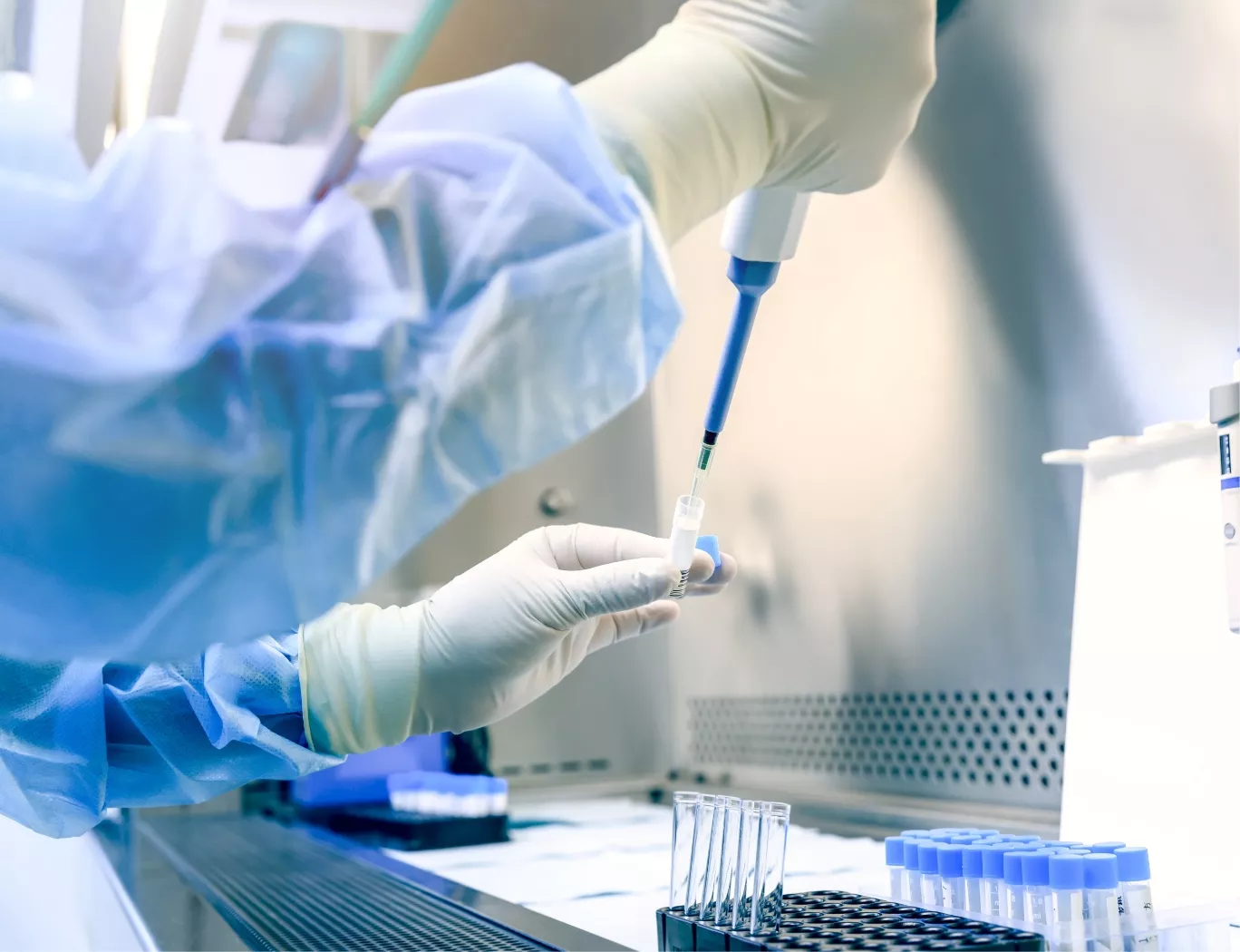
A scientist in protective gear pipetting a sample into a vial within a sterile laboratory hood.

Proven Intelligence Accelerating Next-Generation Therapies.

Executive Summary

High-dose AAV gene therapies for systemic indications require vector quantities that challenge conventional manufacturing platforms. The primary bottlenecks exist in both upstream processes, such as plasmid DNA quality and suspension cell culture density, and downstream purification, specifically the efficient separation of full and empty capsids. Addressing these requires a multi-faceted approach combining optimized transfection parameters, scalable suspension bioreactor systems from 2L to 500L+, and robust chromatographic purification methods. This technical focus ensures the production of high-titer, high-purity AAV vectors suitable for demanding preclinical and clinical applications, aligning with an 18-24 month timeline to IND submission.

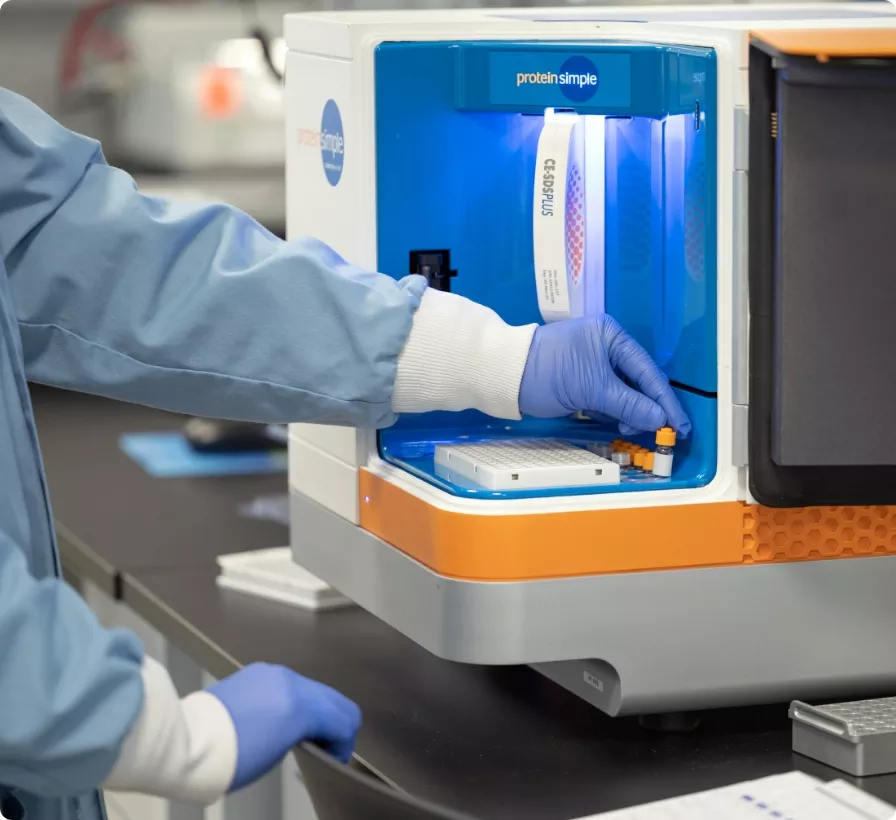
A scientist in a lab coat and gloves loads samples into a ProteinSimple instrument for analysis.

Frequently Asked Questions

    What is the primary bottleneck in large-scale AAV production?

    The most significant challenge is achieving sufficient yield of high-quality vector. This is a composite issue stemming from plasmid DNA supply and quality, optimizing cell density and viability in large-volume suspension cultures, and the efficiency of downstream purification to remove impurities and empty capsids.

    How does plasmid quality affect final AAV yield?

    The quality, purity, and topology of the plasmid DNA used for transfection are directly correlated with the final vector titer and quality. Inconsistent plasmid preparations can lead to variable transfection efficiency and lower packaging rates, directly impacting the productivity of a manufacturing run.

    Why is the full-to-empty capsid ratio important for high-dose applications?

    For systemic, high-dose therapies, administering a high number of empty capsids can increase the risk of eliciting an unwanted immune response without contributing to therapeutic efficacy. A high ratio of full (genome-containing) to empty capsids serves as a marker of a highly refined and efficient manufacturing system.

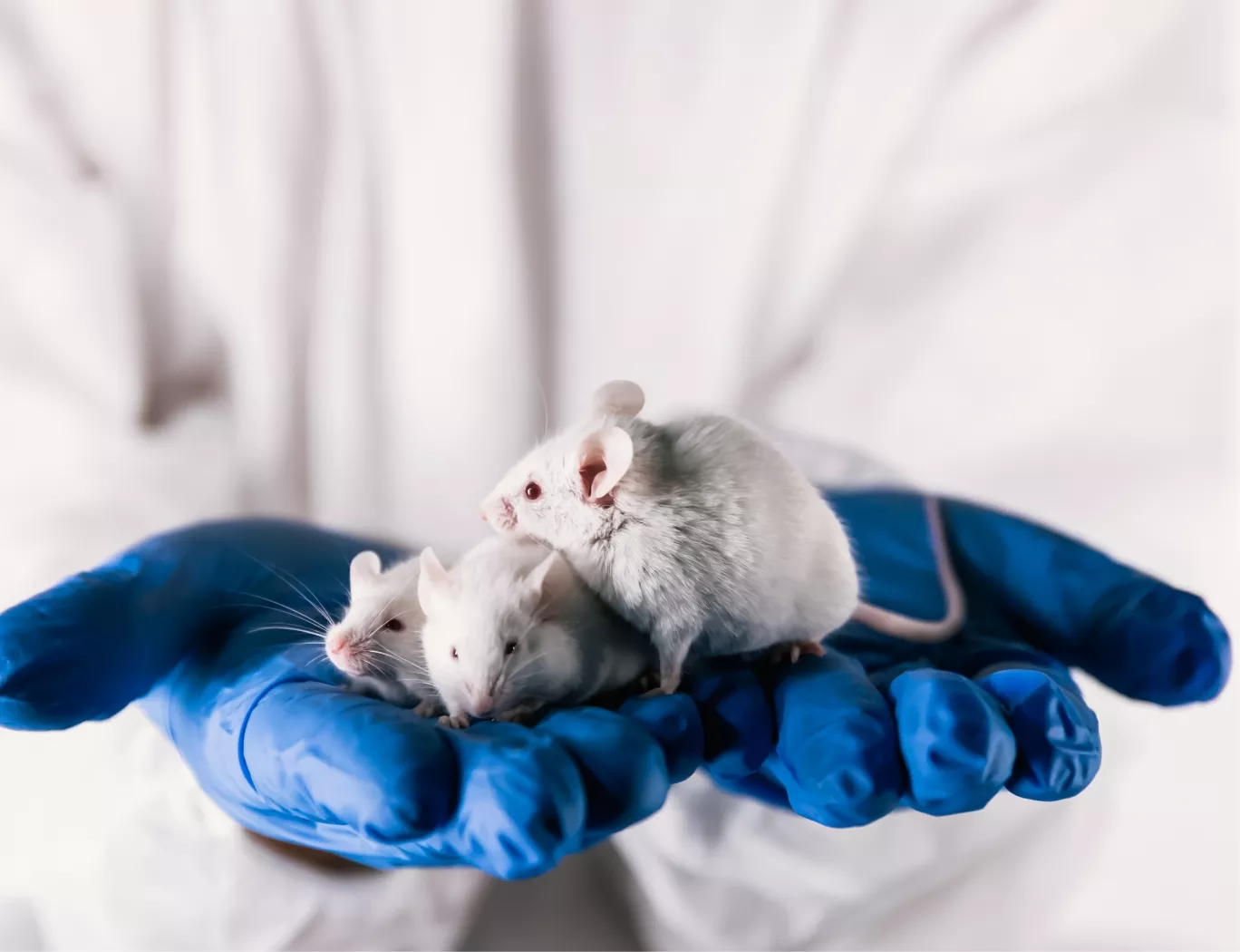
A researcher in a lab coat and blue gloves gently holds three white lab mice, symbolizing animal models in scientific research.

Addressing Dose and Yield Requirements in Systemic AAV Therapies

The clinical progression of AAV-based therapies for systemic and prevalent diseases necessitates a significant increase in manufacturing scale. Indications requiring high vector doses to achieve therapeutic benefit, such as the correction of metabolic deficiencies to prevent chronic organ damage (PMID: 28283349), demand production platforms capable of generating large quantities of potent vector.

This demand exposes limitations in legacy production methods. The objective is to develop a scalable, reproducible manufacturing process that consistently delivers high-titer AAV, such as AAV8 or AAV9, with a product quality profile suitable for IND-enabling toxicology studies and eventual clinical use.

Deconstructing Upstream Production Challenges

The foundation of a successful large-scale AAV run is built during upstream process development. Two areas require specific focus:

  • Plasmid DNA (pDNA) Supply: A robust, scalable supply of high-quality pDNA for transfection is a prerequisite. We focus on ensuring consistency across batches to minimize variability in vector production.

  • Suspension Culture Optimization: Transitioning from adherent cell culture to a suspension-based platform in single-use bioreactors is key for scalability. We optimize parameters including media selection, feed strategy, and cell density to maximize productivity per liter.

Successful large-scale production requires a holistic approach, where upstream process parameters are co-optimized with downstream purification capabilities and a comprehensive analytical strategy from the outset.

A digital rendering of a DNA double helix on a dark blue background with floating particles.

A stylized, 3D rendering of a DNA double helix in light blue and white, set against a soft-focus, light gray background.

Refining Downstream Purification for Clinical Purity

A high-yield upstream process must be paired with an equally efficient downstream purification train. The goal is to isolate functional, full AAV capsids while removing process- and product-related impurities. A highly pure final product can be a factor in managing the host immune response, as certain impurities may activate inflammatory pathways like TLR9 signaling (PMID: 31703913).

Our approach utilizes multi-step chromatographic methods to achieve high purity and potency. This process is designed to be scalable and adaptable for various AAV serotypes, ensuring a consistent quality profile from preclinical batches to GxP-comparable material.

Phase-Appropriate Analytics for Global Regulatory Alignment

For sponsors targeting submissions in Switzerland and the EU, all manufacturing processes and analytical methods must be documented to support an Investigational Medicinal Product Dossier (IMPD) for these Advanced Therapy Medicinal Products (ATMPs). Our >100,000 sq ft facility is equipped to support these programs with scalable manufacturing strategies accellerating clinical production.

We develop and qualify a suite of over 20 platform assays to characterize each AAV batch. This includes assays for titer, purity, identity, and potency. By establishing a comprehensive analytical package early, we support a data-driven approach to process development and provide the necessary documentation for global regulatory filings. This is a component of the strategy that has supported a 100% successful IND rate for programs initiated since 2019, with the Franklin Biolabs brand itself launching in 2024.

Technical Visualization: Scalable AAV Production Workflow

Scientific Process Diagram

This content is for informational purposes. For guidance specific to your therapeutic program, please contact our team for a consultation.