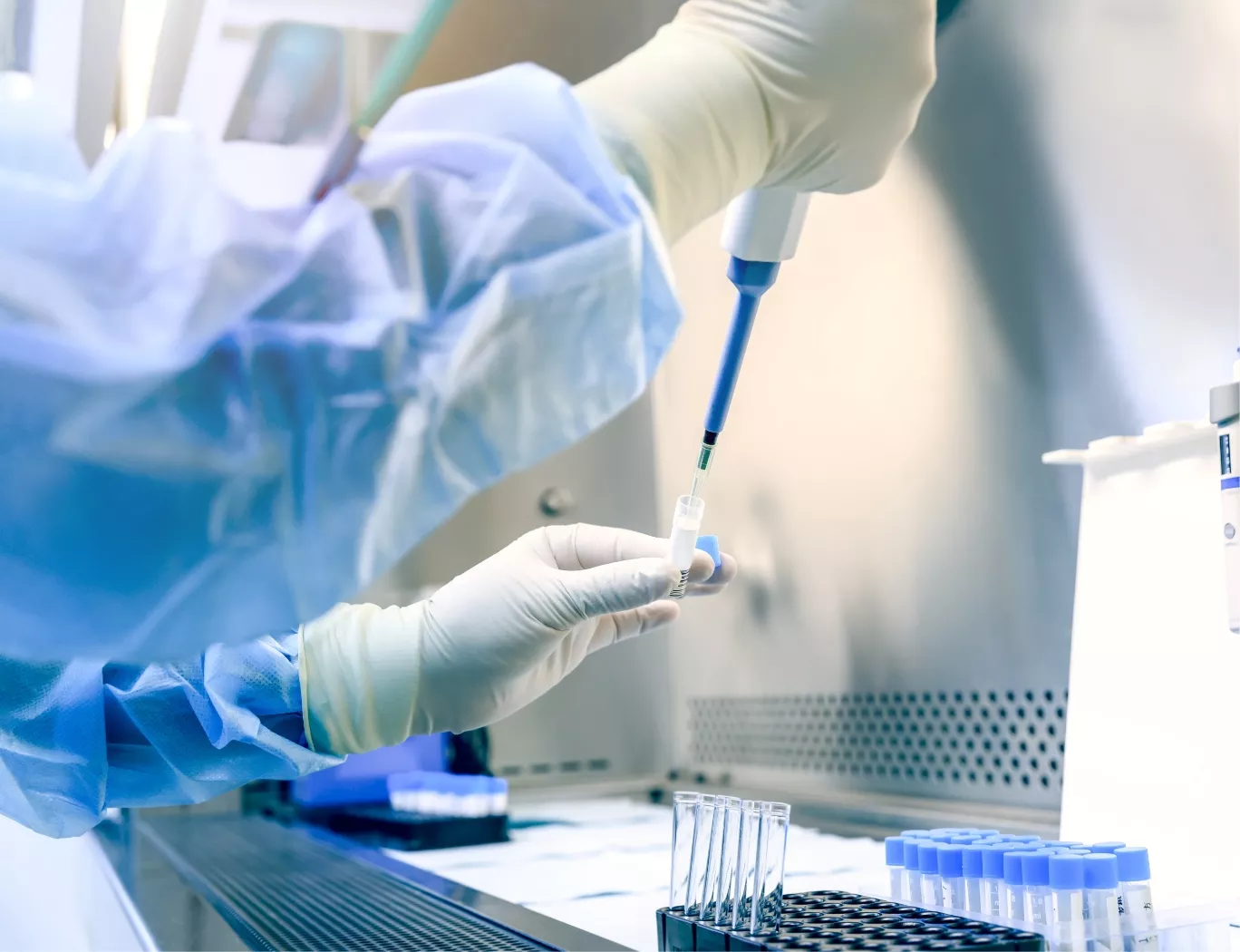
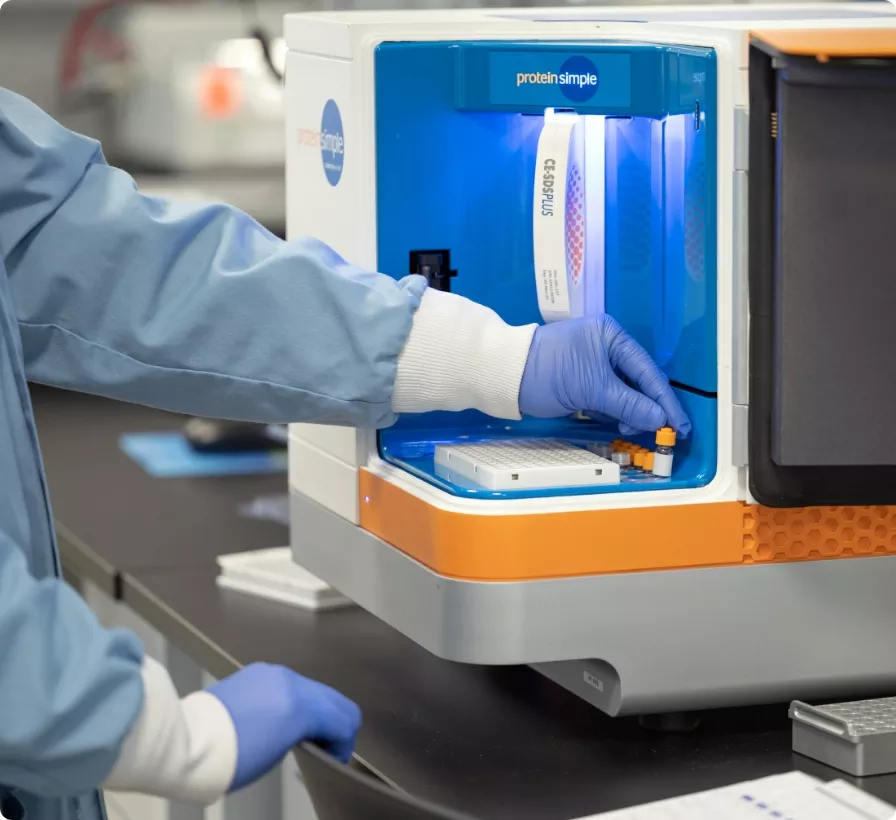
Yes, transitioning a process from an adherent to a suspension platform is a core capability. Our approach involves a systematic evaluation of the existing process to identify defining parameters, followed by targeted optimization runs in small-scale bioreactors. This methodology ensures a robust and predictable tech transfer, preparing the vector program for large-scale GxP manufacturing.
The transition from research-scale to clinical-scale manufacturing of AAV8 vectors introduces significant technical hurdles. While suspension culture is the recognized path for generating large quantities of vector, simply increasing volume is insufficient. A robust process development program is necessary to maintain high titers and ensure the quality attributes of the final product meet regulatory expectations.
Upstream process development begins with the foundational production system. The selection and adaptation of the host cell line is a determining factor in final vector yield, a principle demonstrated in early work on optimizing cell systems for high-yield AAV production (PMID: 11991756). This extends to the optimization of transfection parameters and media feed strategies within single-use bioreactors, ensuring the cellular machinery is primed for maximal vector assembly.
Downstream purification for AAV8 must be equally refined. The process must efficiently remove host cell proteins, DNA, and other process-related impurities while maximizing the recovery of potent, full capsids. Our approach is detailed in our parent hub, [Large-Scale AAV Manufacturing and Process Development](/large-scale-aav-manufacturing-and-process-development/).
Understanding the interplay between capsid biology and scalability is fundamental. These factors are important for initiating any AAV vector program and are a central focus of our technical discussions on vector readiness.
As one biotech partner commented on the team’s capabilities, “Wonderful services. Excellent team to work with. Vast knowledge in all aspects of vector production and analytics.”
The output of a well-designed process is a vector capable of achieving its therapeutic goal. High-quality AAV vectors have shown the capacity to correct complex disease phenotypes in relevant in vivo models, reinforcing the need for rigorous manufacturing controls from the earliest stages (PMID: 26081744). This commitment to quality underpins our work with partners like our partners and is supported by our >100,000 sq ft of advanced laboratory facilities, all aligned to support an 18-24 month timeline to IND.
—***