Raw Material Sourcing and Qualification for Gene Therapy Clinical Trials in Oxford

PROVEN INTELLIGENCE ACCELERATING NEXT-GENERATION THERAPIES

Raw Material Sourcing and Qualification for Gene Therapy Clinical Trials in Oxford

Raw Material Qualification for Viral Vector Production in the UK

CELL & GENE | RNA | BIOLOGICS
Proven Intelligence Accelerating Next-Generation Therapies.

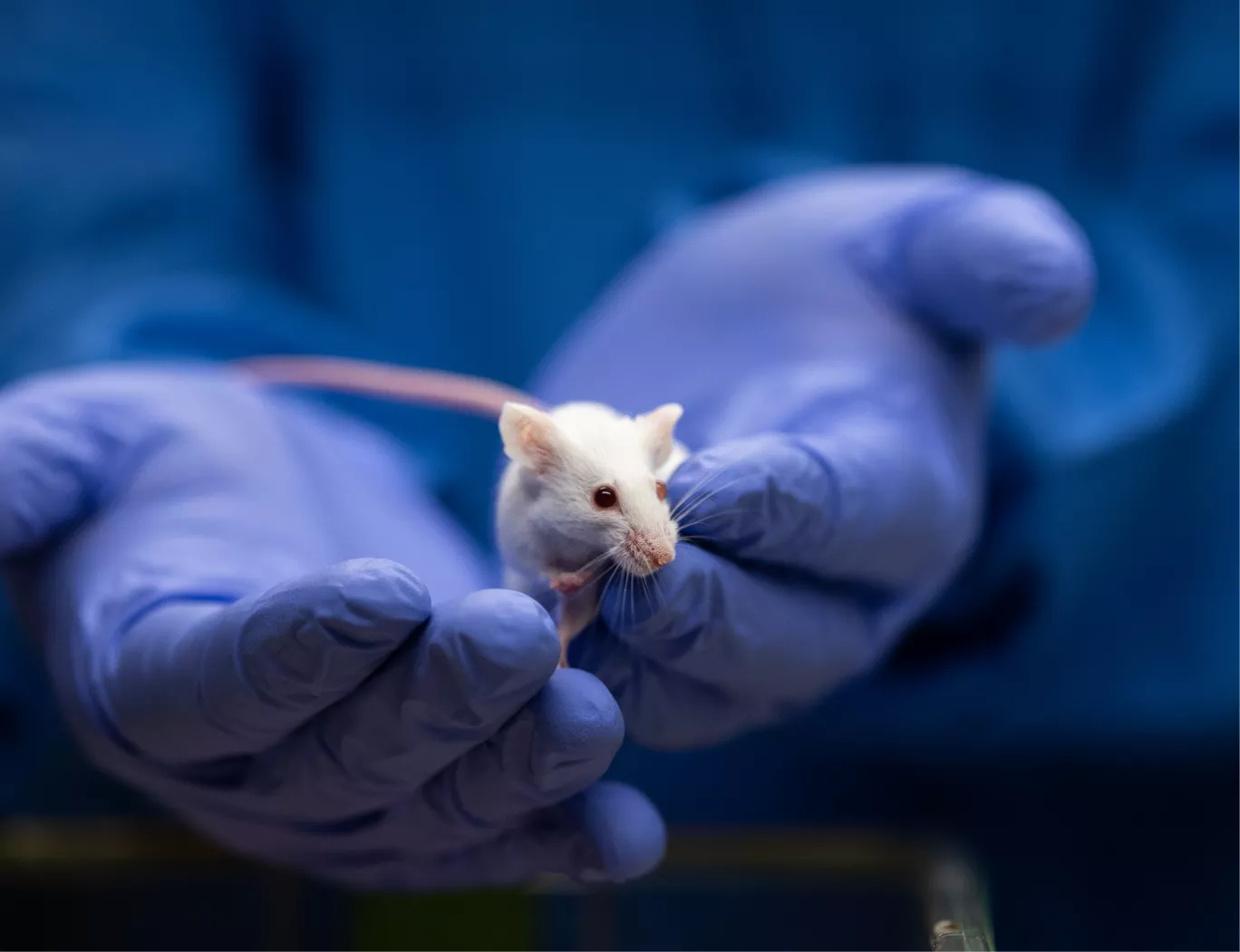
A close-up of a scientist in blue gloves gently holding a small, white laboratory mouse, likely in a research setting.

Executive Summary

A robust raw material qualification program is foundational to any successful viral vector Chemistry, Manufacturing, and Controls (CMC) strategy. For biotech sponsors in the UK, variability in raw materials like plasmid DNA and ancillary reagents can impact clinical timelines and MHRA submissions. This asset outlines the framework for managing the supply chain through supplier audits, multi-lot testing, and phase-appropriate qualification to support the consistency, purity, and performance of AAV, lentiviral, and adenoviral vectors intended for clinical evaluation. Franklin Biolabs provides the analytical infrastructure and regulatory experience to establish this control.

Frequently Asked Questions

    What is the primary risk of using unqualified raw materials in vector manufacturing?

    Unqualified materials introduce process variability, which can directly impact vector titer, purity (e.g., empty/full capsid ratio), and safety profiles. This may lead to inconsistent batch performance, failed release criteria, and delays in submitting an Investigational Medicinal Product Dossier (IMPD) to the MHRA.

    How does plasmid DNA quality affect final AAV vector production?

    The quality of the starting plasmid DNA directly influences the outcome. Contaminants or inconsistencies in plasmid topology can reduce transfection efficiency, leading to lower vector yields. The presence of endotoxins or other impurities from the plasmid manufacturing process can also carry through to the final product, impacting its safety profile.

    What defines a “qualified” ancillary material for GxP manufacturing?

    A qualified ancillary material has been vetted through a formal process that includes supplier audits, identity testing, purity analysis, and functional assessments to confirm it performs as expected within the specific manufacturing process. Documentation and traceability are key components of this qualification for regulatory compliance.

Establishing a Resilient CMC Supply Chain

The transition from research-scale vector production to a process suitable for clinical trials requires a systematic approach to controlling all sources of variability. A significant number of process failures can be traced back to inconsistencies in raw materials. Establishing a well-documented raw material control strategy is a prerequisite for a successful IMPD submission and subsequent clinical trial authorization from the MHRA.

A successful strategy depends on a deep understanding of how each component, from the master plasmid DNA to the cell culture media, influences the final vector’s quality attributes. A certificate of analysis alone is insufficient to establish this level of process control.

Learn more about how Franklin Biolabs optimizes manufacturing processes by viewing the full video .

A stylized rendering of a DNA double helix on the left side of a light blue gradient background.

Plasmid DNA: The Genetic Starting Point

The quality of plasmid DNA used in transient transfection systems for AAV or lentivirus production directly dictates the consistency of the output. We implement a phase-appropriate strategy for plasmid qualification.

  • Supplier Vetting: We conduct technical audits of plasmid suppliers to ensure their manufacturing processes, quality control, and documentation meet GxP standards.

  • Analytical Characterization: Each new lot of plasmid is subjected to a panel of analytical tests, including identity confirmation (restriction digest, sequencing), purity assessment (A260/280, gel electrophoresis), and quantification.

  • Functional Verification: The ultimate test is performance. We confirm the plasmid’s ability to generate high-titer, high-quality viral vectors in small-scale engineering runs before committing it to a large-scale production batch.

Ancillary Material and Reagent Controls

The complex biological systems used for viral vector production are sensitive to minor changes in ancillary materials like media, sera, and buffers. A proactive qualification program mitigates this risk. The goal is to ensure that a change in a raw material lot number does not result in a change to the final vector product. This control is vital for demonstrating process consistency to regulators.

Achieving sustained transgene expression, as seen in AAV clinical trials, depends on a highly pure and consistent vector product (PMID: 19706466). Similarly, minimizing toxicity is a key objective for all gene therapies, and controlling for impurities from raw materials is a direct way to support a favorable safety profile (PMID: 14977858). A robust qualification program ensures that the materials used do not introduce contaminants that could compromise these clinical outcomes.

Our >100,000 sq ft facility is equipped with the analytical platforms needed to qualify these materials, supporting an 18-24 month timeline to get candidates to IND. While the Franklin Biolabs brand launched in 2024, our scientific leadership has maintained a 100% successful IND rate since 2019. This rigorous approach to material science is a key component of that record.

This page provides an overview of our approach. For a deeper discussion on scaling your AAV program, please see our parent page on Large-Scale AAV Manufacturing and Process Development.

A close-up, blue-toned image of scientific glassware, featuring vials placed in a dish filled with clear, spherical beads, suggesting a laboratory or research setting.

Technical Visualization: Raw Material Qualification Workflow

Scientific Process Diagram

This content is for informational purposes. For guidance specific to your therapeutic program, please contact our team for a consultation.