Advanced Health Screening for SPF Rodent Colonies for German Research Institutes

PROVEN INTELLIGENCE ACCELERATING NEXT-GENERATION THERAPIES

Advanced Health Screening for SPF Rodent Colonies for German Research Institutes

Advanced Health Screening for SPF Rodent Colonies

CELL & GENE | RNA | BIOLOGICS

    What specific pathogen screening panels do you offer for research colonies destined for Germany?

    We provide comprehensive screening panels aligned with the latest Federation of European Laboratory Animal Science Associations (FELASA) recommendations. This includes periodic screens for common opportunistic pathogens and more extensive annual screens covering a wide range of viruses, bacteria, and parasites relevant to SPF rodent colonies. Custom panels can also be configured to meet specific institutional or study requirements.

    How is sample collection from the colony managed to ensure representative screening?

    Our program utilizes a sentinel-based system to provide broad colony surveillance. Soiled-bedding sentinels are strategically placed and rotated throughout colony rooms to maximize exposure to potential pathogens. Direct sampling from colony animals is also performed at defined intervals or for specific diagnostic investigations, using strict aseptic techniques to prevent cross-contamination.

    What is the typical turnaround time for health screening results?

    Results are reported promptly upon completion of laboratory analysis. Turnaround times vary based on the complexity of the requested panels, with reports for routine sentinel screenings issued faster than those for comprehensive annual profiles. We provide immediate notification upon detection of any results that could impact colony health status.

    How do you ensure GxP compliance in your animal care and health monitoring programs?

    All procedures, from animal husbandry to sample collection and documentation, are governed by GxP-compliant Standard Operating Procedures (SOPs). Our operations are conducted within a >100,000 sq ft facility designed for strict environmental control and barrier maintenance. All health records, screening results, and environmental data are meticulously maintained in auditable logs, ensuring a complete history for every colony.

Maintaining a specific-pathogen-free (SPF) status in rodent colonies is the bedrock of reproducible and translatable in vivo research. For German research institutes adhering to stringent FELASA guidelines, any deviation in colony health can invalidate study data, delay programs, and compromise significant investment. Franklin Biolabs provides a comprehensive, GxP-compliant health screening and colony management program designed to proactively protect the integrity of your research models, ensuring that the data generated is reliable and directly supports an accelerated 18-24 month IND timeline.

A scientist in protective gear pipetting a sample into a vial within a sterile laboratory hood.

The Foundation of Preclinical Data Integrity

The validity of preclinical data is directly dependent on the biological stability of the in vivo models used. An undetected infection in a research colony introduces confounding variables that can obscure treatment effects, increase data variability, and lead to incorrect conclusions about the efficacy or safety of a novel therapeutic. Our program focuses on proactive, multi-modal surveillance to identify and eliminate these threats before they can impact ongoing studies.

We implement rigorous health monitoring protocols that align with, and often exceed, the standards required by European and German regulatory bodies. This includes:

  • Comprehensive Entry Quarantine: All incoming rodent models undergo a strict quarantine and testing period before introduction into our main barrier facility.

  • Routine Sentinel Monitoring: A robust sentinel program provides continuous surveillance for a wide array of viral, bacterial, and parasitic agents.

  • Environmental Diagnostics: Regular PCR testing of environmental swabs from plenums and exhaust ducts serves as an early warning system for airborne pathogens.

Mitigating Variables in Advanced Therapeutic Development

The development of complex biologics requires exceptionally clean and consistent preclinical data. As noted in workshops focused on advancing gene therapies for rare diseases, the availability of high-quality, standardized resources is a key accelerator for the entire field (PMID: 23517518). This principle begins at the most fundamental level: the health of the animal models.

Similarly, the development of sophisticated delivery platforms, such as pooled in vivo screens using barcoded mRNA, depends on minimizing biological noise to accurately identify lead candidates (PMID: 31678653). A subclinical infection could alter immune responses or organ function, completely skewing the biodistribution results of such a sensitive assay. A verified SPF health status provides the foundation for generating the unambiguous data needed to move a program forward.

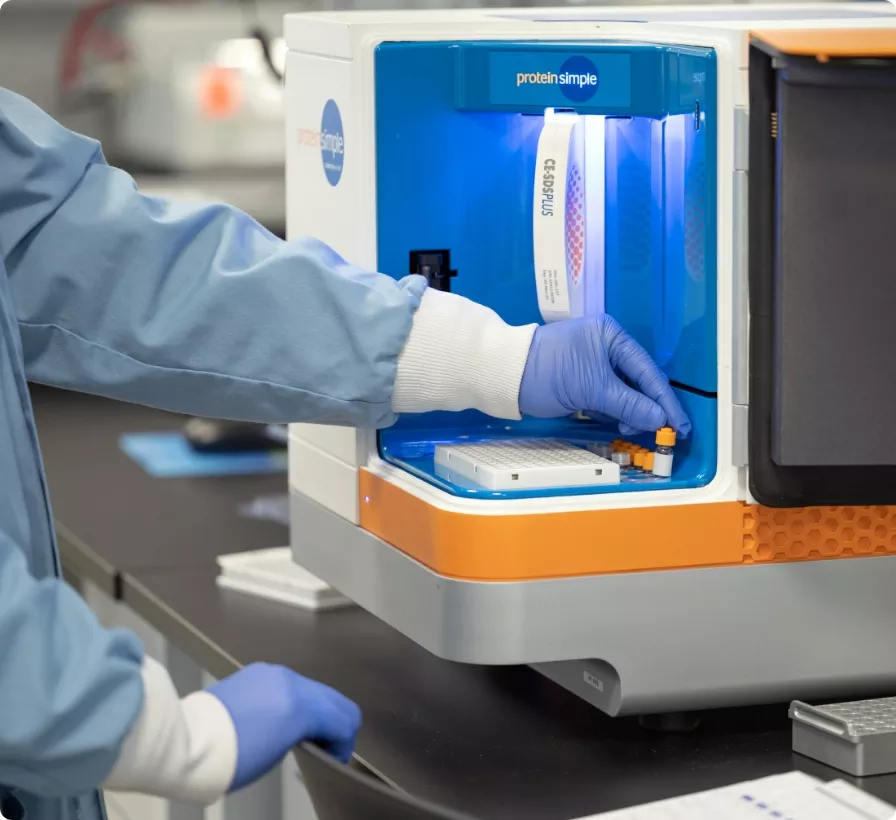
A scientist in a lab coat and gloves loads samples into a ProteinSimple instrument for analysis.

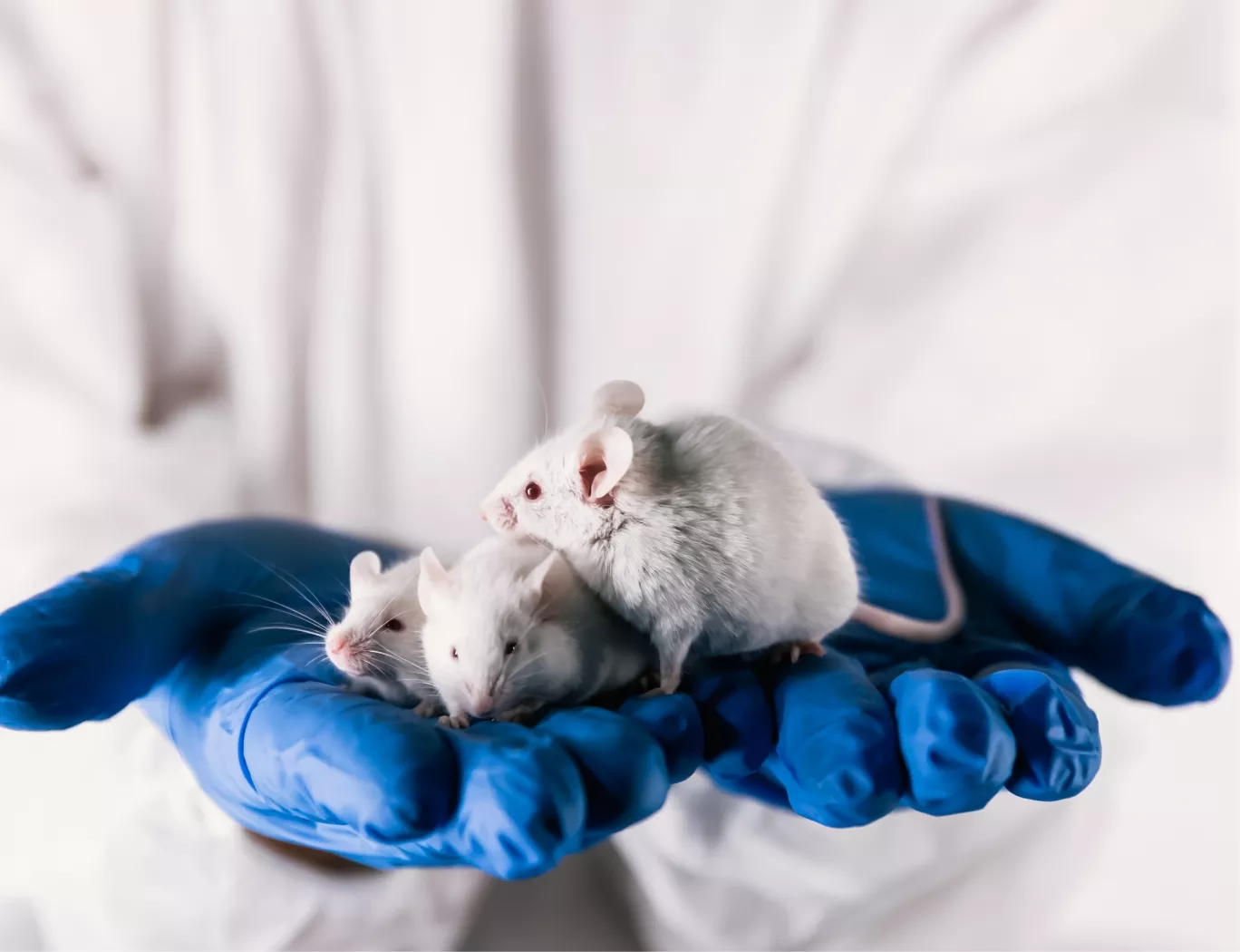
A researcher in a lab coat and blue gloves gently holds three white lab mice, symbolizing animal models in scientific research.

GxP-Compliant Health Monitoring Program

Our approach integrates process optimization with rigorous scientific oversight to deliver reliable colony management. By refining our workflows, we enhance the affordability and efficiency of maintaining large-scale SPF colonies without compromising quality.

Our program is built on a foundation of transparent communication and meticulous execution. This commitment to quality ensures that your research timelines are protected from the delays that can arise from unexpected colony health issues.

Panel Type Frequency Testing Methodologies Example Focus Areas
Routine Sentinel Periodic Serology (MFI), PCR Common murine viruses, opportunistic bacteria
Comprehensive Annual Serology, PCR, Bacteriology, Parasitology Full FELASA-recommended agent list
Environmental Routine Real-time PCR Airborne bacterial and fungal agents
Investigational As Needed Histology, Culture, Sequencing Diagnostic workup for clinical observations

Commitment to Animal Welfare

We strictly adhere to the principles of the 3Rs (Replacement, Reduction, and Refinement) in all study designs and animal care procedures. Our health screening program is a core component of this commitment, as maintaining pathogen-free colonies directly contributes to animal wellbeing by preventing disease.

Scientific Process Diagram

This content is for informational purposes. For guidance specific to your therapeutic program, please contact our team for a consultation.