Allogeneic CAR-NK Preclinical Development and Regulatory Support

EXECUTIVE SUMMARY

Allogeneic CAR-NK Preclinical Development and Regulatory Support

CELL & GENE | RNA | BIOLOGICS

A scientist in protective gear pipetting a sample into a vial within a sterile laboratory hood.

The preclinical evaluation framework for allogeneic Chimeric Antigen Receptor Natural Killer (CAR-NK) cell therapies focuses on designing non-clinical programs that generate decisive data on cell persistence, biodistribution, and anti-tumor activity. This supports regulatory submissions in the US and Europe (IMPD/ATMP). We leverage foundational expertise in in vivo models and vector biology to address the unique challenges of “off-the-shelf” cell therapies, minimizing clinical risk for sponsors.

Frequently Asked Questions

What are the primary challenges in designing IND-enabling toxicology studies for allogeneic CAR-NK cells?

The key challenges for allogeneic CAR-NK therapies involve assessing the potential for host-versus-graft and graft-versus-host disease (GvHD), determining the persistence of the cells post-infusion, and characterizing non-target tissue biodistribution. A tailored preclinical strategy is required to select appropriate immunocompromised animal models that can support the engraftment of human cells and provide meaningful data on both efficacy and safety.

How does Franklin Biolabs approach the development of clinical-grade assays for CAR-NK programs?

We develop and qualify bioanalytical assays in a phase-appropriate manner under GxP conditions. For CAR-NK programs, this includes high-sensitivity qPCR or ddPCR methods to quantify cell persistence in biological samples like peripheral blood and tissues, flow cytometry panels to characterize phenotype, and customized functional assays to measure cytotoxic activity against target tumor cells.

Can you support a program targeting both FDA and MHRA submissions for an Advanced Therapy Medicinal Product (ATMP)?

Yes. Our study directors are experienced in designing preclinical programs that satisfy the requirements of multiple global regulatory bodies. We generate a single, comprehensive data package intended to support parallel Investigational New Drug (IND) applications with the FDA and Investigational Medicinal Product Dossier (IMPD) submissions to European agencies like the MHRA.

Preclinical Models for Allogeneic CAR-NK Cell Therapies

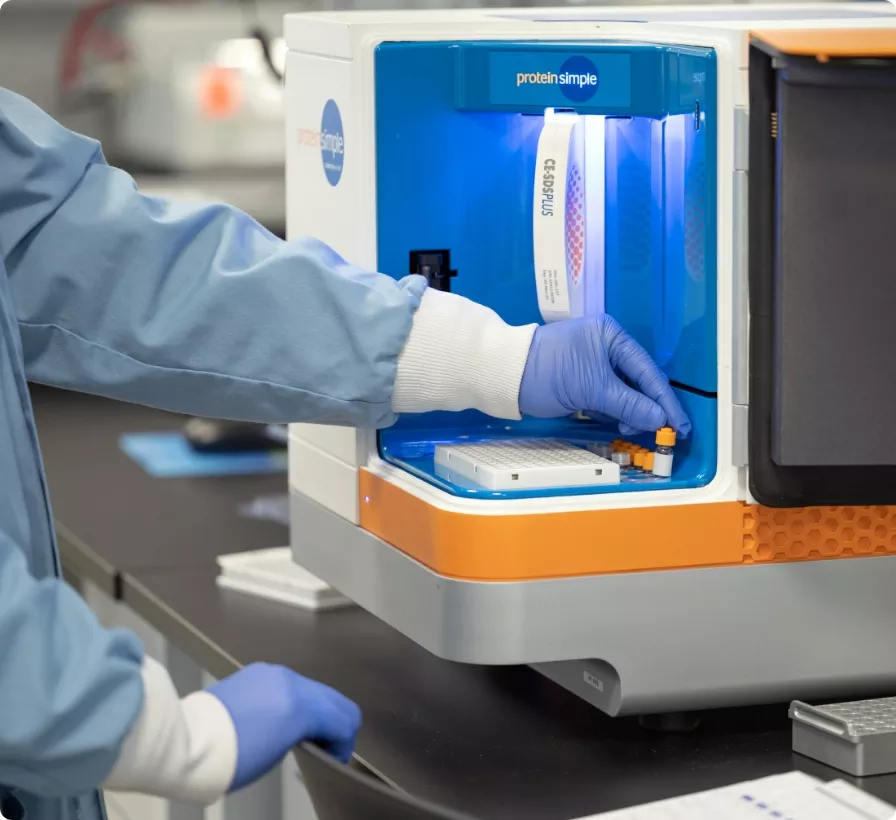
A scientist in a lab coat and gloves loads samples into a ProteinSimple instrument for analysis.

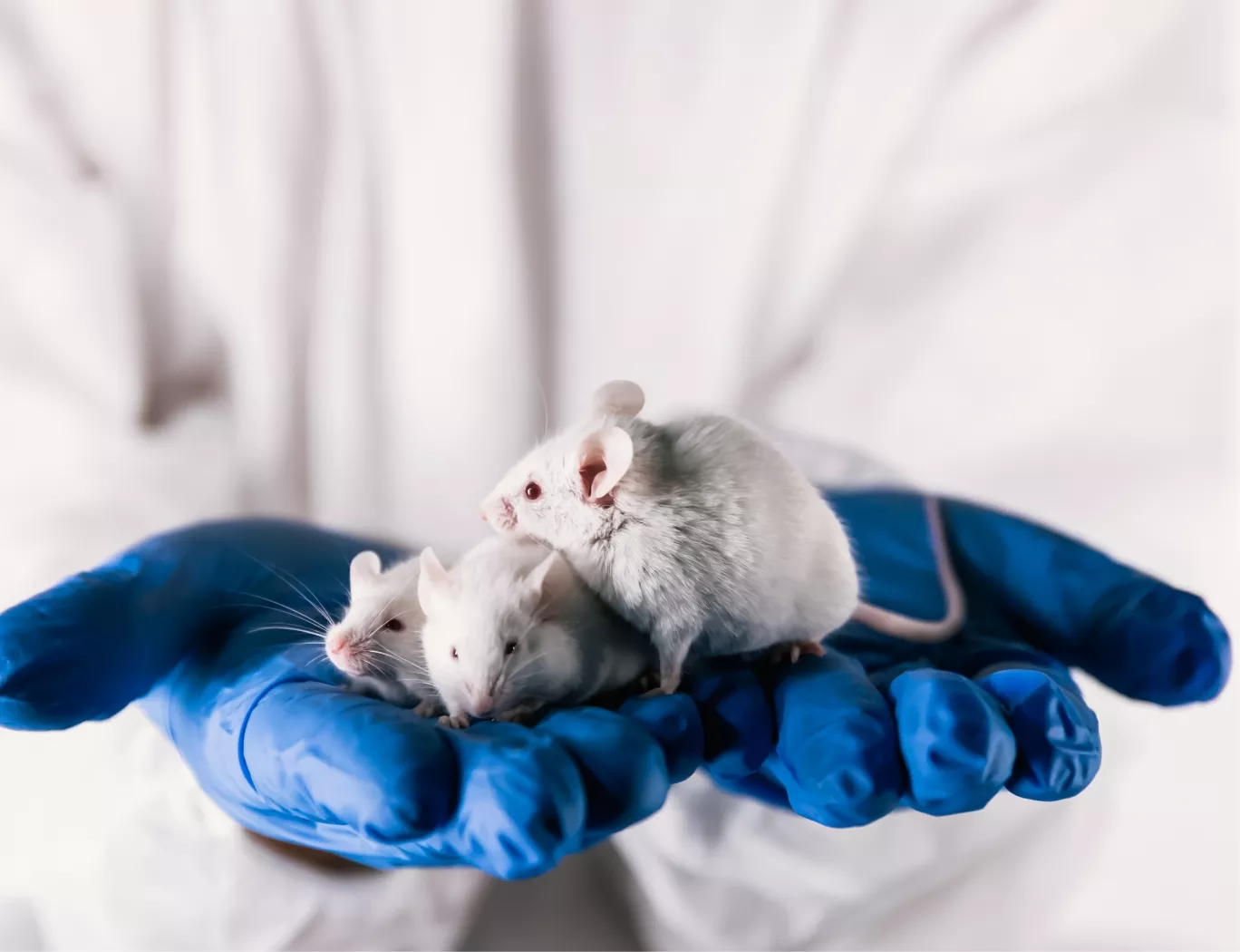
A researcher in a lab coat and blue gloves gently holds three white lab mice, symbolizing animal models in scientific research.

Proven Intelligence in Cellular Immunotherapy.

The development of allogeneic CAR-NK cell therapies requires a distinct preclinical evaluation strategy. Unlike autologous products, these “off-the-shelf” candidates introduce complexities related to immune rejection and persistence in the host. A successful regulatory submission depends on a program designed to rigorously assess these variables.

Our approach is built on a scientific foundation of characterizing the in vivo behavior of complex biologics. Foundational work in quantifying the persistence of therapeutic constructs and achieving localized, functional protein expression from delivery vectors (PMID: 22133298, 30154145) has established the technical frameworks we now apply to cell therapies. This experience directly informs the design of robust CAR-NK studies that can accurately measure cell kinetics and anti-tumor activity.

Key Evaluation Endpoints

A data-driven preclinical strategy for allogeneic CAR-NK therapies is centered on several core endpoints:

  • In Vivo Persistence: Quantifying the duration and concentration of CAR-NK cells in circulation and target tissues using qualified molecular assays.

  • Biodistribution: Determining the location of CAR-NK cells post-administration to identify intended tumor-homing and assess any accumulation in non-target tissues.

  • Anti-Tumor Efficacy: Utilizing appropriate tumor xenograft models to measure the therapeutic activity of the CAR-NK cells, often tracked through bioluminescence imaging or direct tumor measurement.

  • Safety and Tolerability: Monitoring for potential toxicities, including cytokine release syndrome (CRS) and graft-versus-host disease (GvHD), in relevant animal models.

Executing these studies requires specialized infrastructure. Our >100,000 sq ft facility provides flexible animal housing and dedicated laboratory space to conduct these complex in vivo programs.

A Tailored Path to Regulatory Submission

A standard preclinical template does not exist for next-generation therapies. We design each program based on the specific CAR construct, target antigen, and intended clinical indication. This tailored approach has been central to the 100% successful IND rate achieved by our core scientific team since 2019, a track record established prior to the formal launch of Franklin Biolabs in 2024. By integrating our preclinical services, we help sponsors move from candidate selection to a complete IND-ready data package within an 18-24 month timeline.

For more information on our comprehensive capabilities, please see our parent hub page: Preclinical | Translational Services.


Scientific Process Diagram

This content is for informational purposes. For guidance specific to your therapeutic program, please contact our team for a consultation.