Animal Studies Capabilities

PROVEN INTELLIGENCE ACCELERATING NEXT-GENERATION THERAPIES.

Animal Studies Capabilities

Proven Preclinical Frameworks Validating Therapeutic Impact.

CELL & GENE | RNA | BIOLOGICS

A scientist in protective gear pipetting a sample into a vial within a sterile laboratory hood.

IND-Enabling Animal Studies for Advanced Therapeutics

A tailored preclinical strategy is the foundation for evaluating novel Advanced Therapeutics and Complex Biologics. Applying proven intelligence in preclinical toxicology accelerates next-generation therapies by generating the precise data required for regulatory submissions. Our approach moves beyond standardized templates to address the unique biodistribution and safety profiles of each asset.

Modality-Specific Preclinical Evaluation

The biological activity of an AAV vector, LNP-delivered RNA payload, or CAR-T therapy requires a study design that accounts for its specific mechanism of action. We develop programs that address the distinct challenges of these modalities.

  • Viral Vectors: Evaluation of capsid tropism for AAV serotypes (AAV8, AAV9, engineered capsids) and potential immunogenicity.
  • RNA & LNP Systems: Assessment of LNP delivery vehicle toxicity and off-target effects of mRNA, siRNA, or gRNA payloads.
  • Cell-Based Modalities: In vivo persistence and engraftment studies for CAR-T and TCR-T therapies.

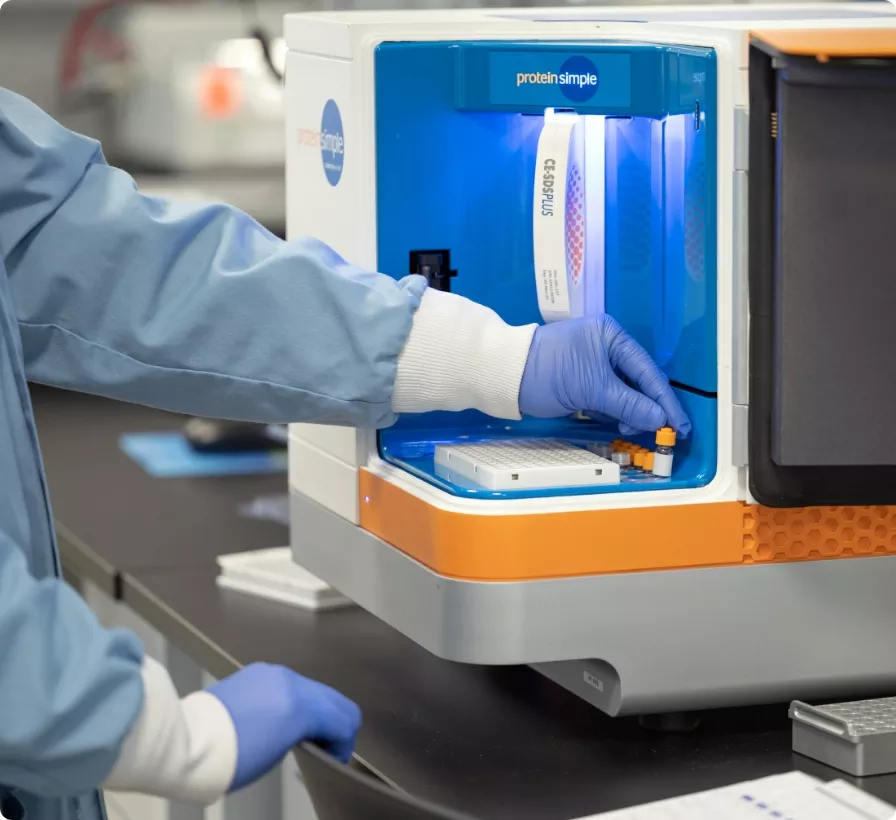
A scientist in a lab coat and gloves loads samples into a ProteinSimple instrument for analysis.

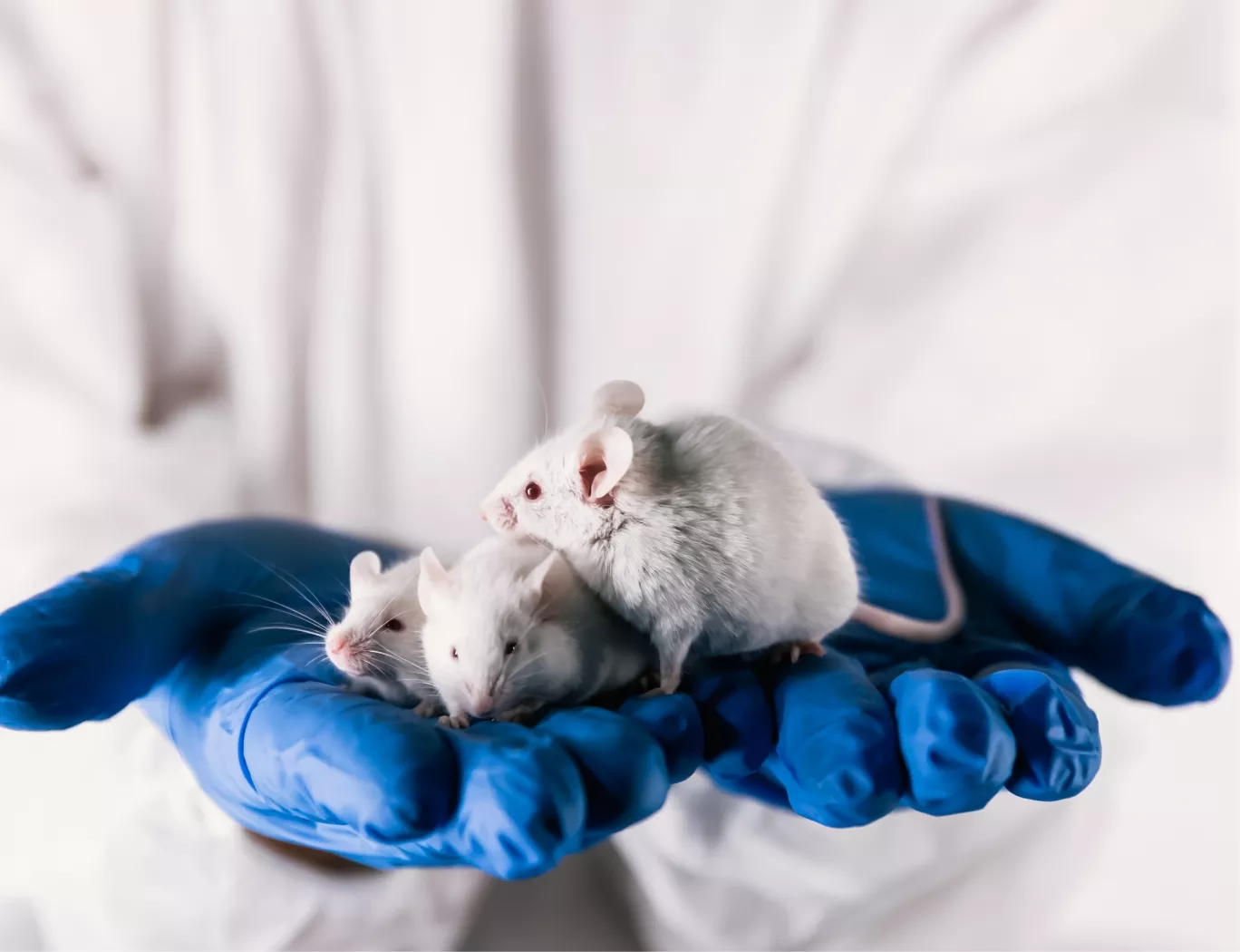
A researcher in a lab coat and blue gloves gently holds three white lab mice, symbolizing animal models in scientific research.

Route of Administration and Translational Model Selection

The route of administration directly influences biodistribution and efficacy, a variable with significant translational implications. As demonstrated in preclinical safety evaluations, certain delivery methods in nonhuman primate (NHP) models do not consistently translate to expected human outcomes, making model and methods selection a pivotal decision point (PMID: 32420410). Our study directors design programs that rigorously evaluate these parameters to build a data package that supports the intended clinical path.

GLP-Compliant Infrastructure and Regulatory Submission Efficacy

Our 100,000 sq. ft. facility supports rodent and NHP models under GLP conditions. We prioritize animal welfare through enhanced housing and social enrichment programs, with all in-life activities supported by a comprehensive pathology platform. This operational philosophy is implemented by the same scientific leadership team that, prior to the launch of Franklin Biolabs in 2024, established a 100% successful IND rate since 2019. Our programs consistently advance from candidate to submission in 18-24 months.


Scientific Process Diagram

This content is for informational purposes. For guidance specific to your therapeutic program, please contact our team for a consultation.