BfArM-Aligned Safety and Biodistribution Studies for mRNA-LNP Therapeutics in Rodent and NHP Models

PROVEN INTELLIGENCE ACCELERATING NEXT-GENERATION THERAPIES

BfArM-Aligned Safety and Biodistribution Studies for mRNA-LNP Therapeutics in Rodent and NHP Models

BfArM-Aligned Safety and Biodistribution Studies for mRNA-LNP Therapeutics

CELL & GENE | RNA | BIOLOGICS

Frequently Asked Questions (FAQ)

    How do you align rodent biodistribution study designs with BfArM expectations for mRNA-LNP constructs?

    Our study designs for the German Federal Institute for Drugs and Medical Devices (BfArM) focus on characterizing the complete kinetic profile of the lipid nanoparticle (LNP) and its mRNA payload. This includes early time points to capture initial distribution and later time points to assess clearance. We incorporate quantitative PCR (qPCR) for mRNA and LC-MS/MS for lipid components across a comprehensive panel of tissues, including injection sites, primary target organs, and potential sites of off-target accumulation like the spleen and liver.

    What is the standard approach for quantifying LNP delivery and mRNA expression in non-target tissues?

    We employ a multi-modal strategy. Biodistribution is quantified using validated methods to measure lipid excipients and mRNA concentration in tissues. To assess functional delivery, we measure protein expression from the mRNA payload via methods like ELISA or Western Blot. This is correlated with comprehensive Histology to evaluate any local tissue response, providing a complete picture of both delivery and biological consequence in non-target tissues.

    For NHP studies, what specific safety endpoints are prioritized for novel LNP formulations?

    In non-human primate (NHP) models, safety evaluation for novel LNPs prioritizes immunogenicity and infusion-related reactions. Key endpoints include monitoring for complement activation (e.g., C3a, SC5b-9), a full panel of inflammatory cytokines (e.g., IL-6, TNF-α), and standard clinical pathology markers. These data, combined with in-life observations and terminal Histology, build a robust safety profile suitable for regulatory review.

    How does Franklin Biolabs ensure GxP compliance for data intended for a German regulatory submission?

    All pivotal safety and biodistribution studies are conducted within a GxP framework. Our quality management system is designed to meet or exceed standards set by global regulatory bodies, including the BfArM and EMA. This involves rigorous equipment validation, controlled SOPs, comprehensive staff training, and a dedicated Quality Assurance unit that audits study data and reports to ensure integrity and compliance for your submission.

Executive Summary

To support regulatory submissions to Germany’s BfArM, mRNA-LNP therapeutic programs require robust preclinical safety and biodistribution data from both rodent and NHP models. Franklin Biolabs executes these GxP-compliant studies by integrating advanced bioanalytical methods with comprehensive Histology to precisely characterize payload delivery, protein expression, and potential immunogenicity. Our study designs are specifically tailored to address the unique kinetic and safety profiles of LNP-based platforms, generating the definitive data package required for successful regulatory interaction.

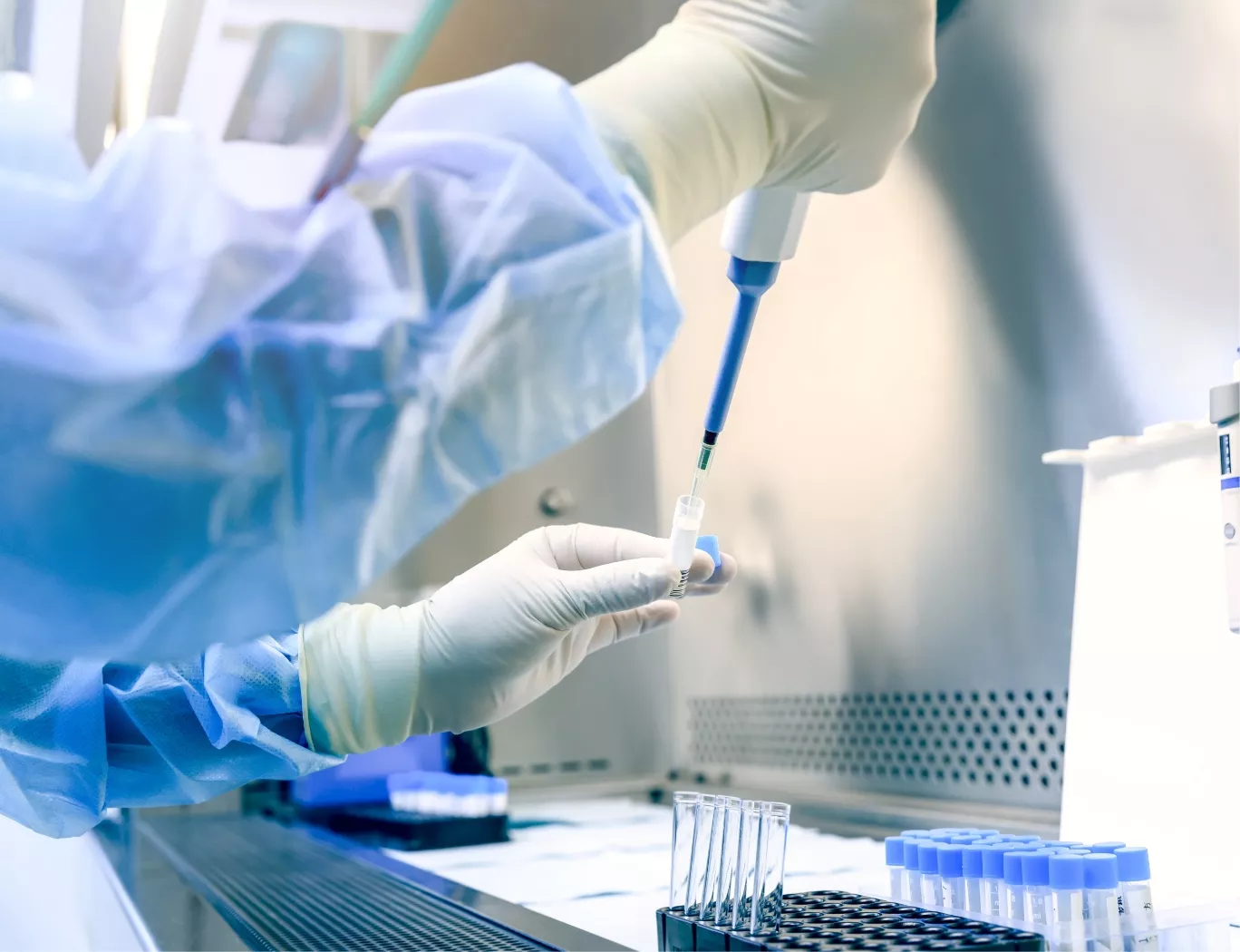
A close-up of a pipette dispensing liquid into a rack of test tubes, set against a cool-toned, sterile background.

A scientist in protective gear pipetting a sample into a vial within a sterile laboratory hood.

Aligning Preclinical Strategy with German Regulatory Expectations

Developing a preclinical data package for an mRNA-LNP therapeutic requires a specific focus on the delivery vehicle’s behavior. German regulators expect a thorough characterization of how the LNP distributes, which tissues it delivers the mRNA payload to, and the duration of subsequent protein expression. A successful program moves beyond standard toxicology endpoints to build a mechanistic understanding of the platform’s in vivo performance. Definitive Preclinical Intelligence Engineered for Genetic Therapies.

Our approach involves designing studies that directly address these regulatory questions:

  • Pharmacokinetics (PK): We characterize the systemic exposure of both the LNP carrier and the mRNA payload.

  • Biodistribution: We quantify tissue concentrations to identify primary sites of uptake and potential accumulation in non-target tissues.

  • Protein Expression: We measure the level and duration of protein production in target and non-target organs to establish a clear pharmacodynamic (PD) profile.

Optimizing LNP Constructs for Enhanced Delivery

The efficacy of an mRNA therapeutic is directly linked to the design of its LNP carrier. Recent scientific literature underscores the impact of lipid chemistry on delivery efficiency. For instance, research demonstrates that modifying lipidoid architecture, such as by appending branch tails to the lipid structure, can significantly improve mRNA delivery to hepatocytes (PMID: 38409275). This principle of rational design allows for the optimization of LNP platforms for specific therapeutic goals.

A well-designed LNP-mRNA system also offers mutation-independent treatment strategies for disorders, as shown in models of Maple Syrup Urine Disease where a functional copy of a gene delivered via LNP extended survival (PMID: 39001827). These insights guide our in vivo model selection and endpoint analysis to validate the therapeutic hypothesis.

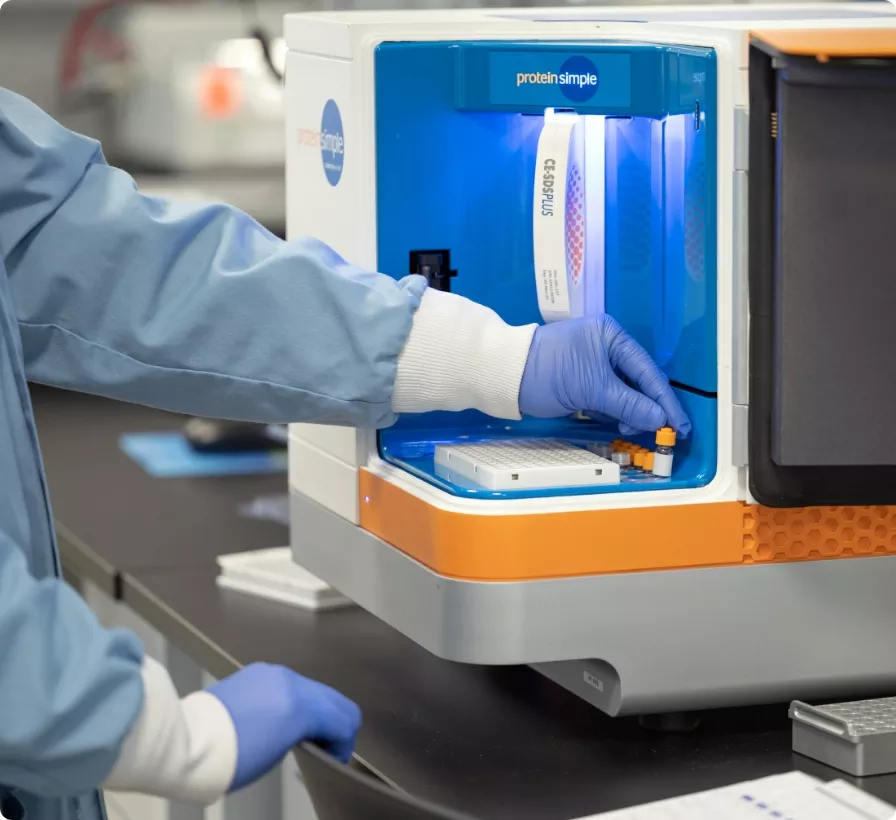
A scientist in a lab coat and gloves loads samples into a ProteinSimple instrument for analysis.

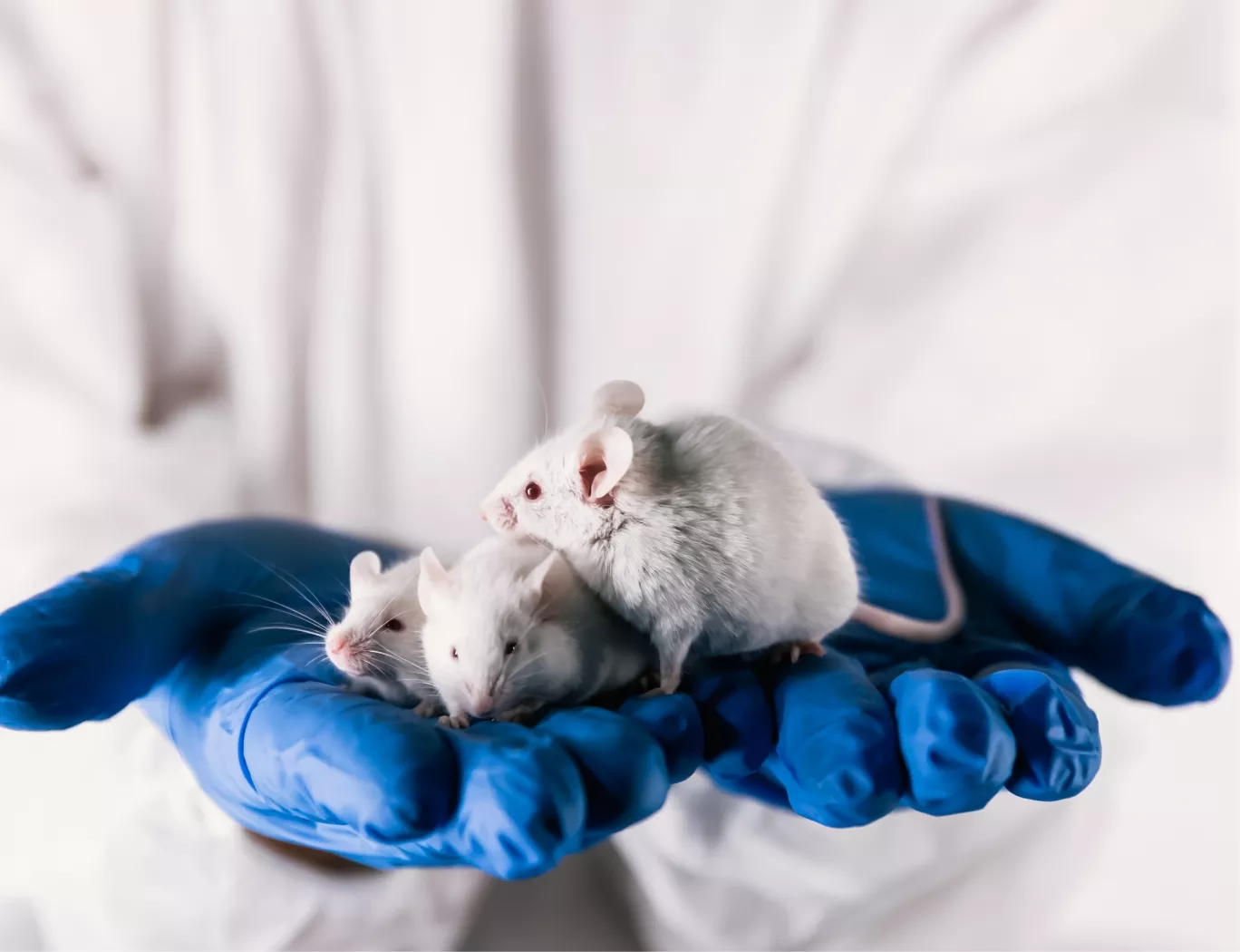
A researcher in a lab coat and blue gloves gently holds three white lab mice, symbolizing animal models in scientific research.

Commitment to Animal Welfare

Our programs are designed to meet the highest ethical standards, upholding the principles of AAALAC International accreditation and full USDA compliance.

GxP-Compliant Operations and Infrastructure

All studies are conducted at our >100,000 sq ft facility under a rigorous GxP framework. This operational discipline has supported an average IND timeline of 18-24 months for our partners and has been integral to achieving a 100% IND success rate for all programs initiated since 2019. The Franklin Biolabs brand was launched in 2024, building upon this established record of operational excellence.

Scientific Process Diagram

This content is for informational purposes. For guidance specific to your therapeutic program, please contact our team for a consultation.