Cross-Species Dosimetry and Scaling of AAV Gene Therapies from Rodent to Non-Human Primate Models

PROVEN INTELLIGENCE ACCELERATING NEXT-GENERATION THERAPIES

Cross-Species Dosimetry and Scaling of AAV Gene Therapies from Rodent to Non-Human Primate Models

Cross-Species Dosimetry and Scaling of AAV Gene Therapies

CELL & GENE | RNA | BIOLOGICS
  • Predictive Dosimetry for Cross-Species AAV Translation.*

Direct allometric scaling of adeno-associated virus (AAV) vector doses from rodent models to non-human primates (NHPs) is insufficient for predicting clinical outcomes. Species-specific differences in vector biodistribution, driven by factors like glycan receptor presentation, necessitate a more sophisticated translational strategy. This involves empirical in vivo studies in relevant species to establish accurate dosimetry, characterize non-target tissue biodistribution, and generate a robust data package for a successful Investigational New Drug (IND) application.

    Why can’t AAV doses be scaled directly from rodents to NHPs based on body weight?

    A: AAV biodistribution is not solely dependent on physiological parameters like body weight or surface area. It is heavily influenced by species-specific cellular interactions, such as the density and type of cell surface glycan receptors, which can lead to significant differences in vector uptake and transgene expression between species.

    What is the primary driver of AAV9 cross-species variability?

    A: For AAV9 and related serotypes, galactose binding to cell surface glycans is a key determinant of tissue tropism. Research indicates that the presentation of these glycans can differ significantly between species, altering vector avidity for tissues like the liver and heart, and complicating direct translation of biodistribution profiles.

    How does capsid engineering address cross-species scaling challenges?

    A: By modulating specific amino acid residues on the AAV capsid, it is possible to alter its binding affinity for certain receptors. This engineering can reduce undesirable tropism (e.g., liver de-targeting) and enhance targeting to the desired tissue, creating vectors with more predictable cross-species performance.

    What are the key components of an IND-enabling NHP study for AAV?

    A: A comprehensive NHP study evaluates vector safety, biodistribution (vector genome copies), and transgene expression (mRNA and protein). Key endpoints include clinical observations, clinical pathology, and terminal histology with qPCR and IHC/ISH analysis on a full panel of target and non-target tissues.

The Translational Gap in AAV Biodistribution

Extrapolating AAV gene therapy efficacy and safety from small to large animal models presents a significant translational challenge. Simple allometric scaling, a common practice for many biologics, often fails to predict the biodistribution and transduction efficiency of AAV vectors in NHPs and, ultimately, in humans. The underlying biology of vector-host interaction is far more complex.

This discrepancy is often rooted in species-specific differences at the molecular level. As demonstrated in AAV9 engineering studies, subtle variations in cell surface glycan presentation between species can profoundly alter vector avidity for key organs (PMID: 39001819). A vector optimized in a rodent model may exhibit an entirely different and unexpected biodistribution profile in a larger animal, impacting both safety and efficacy calculations for first-in-human studies.

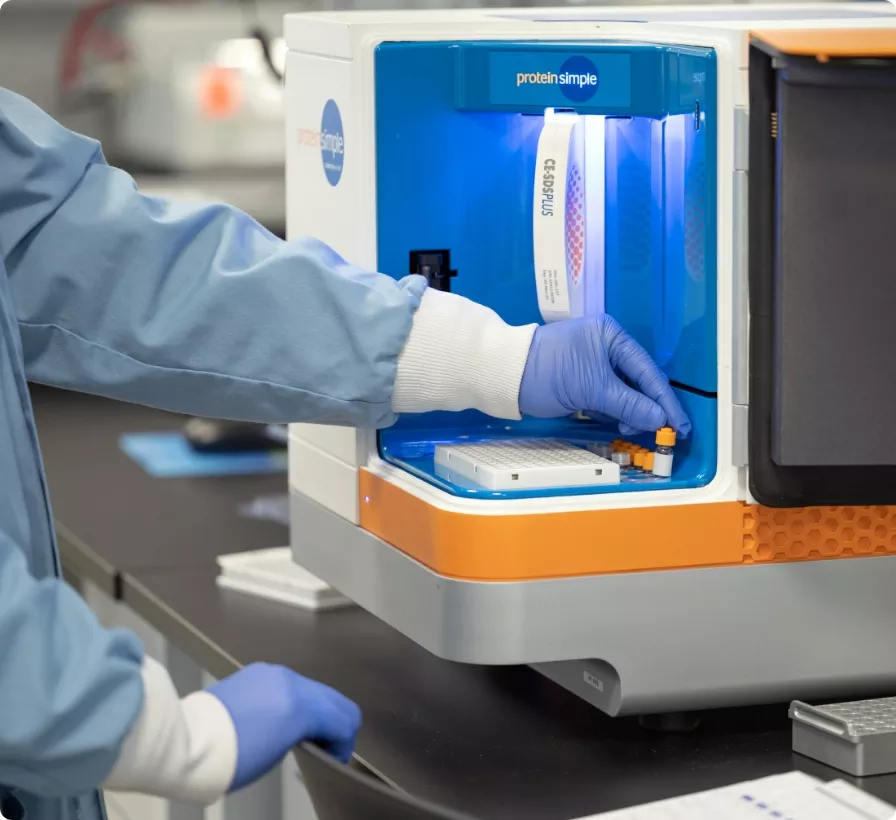
A scientist in a lab coat and gloves loads samples into a ProteinSimple instrument for analysis.

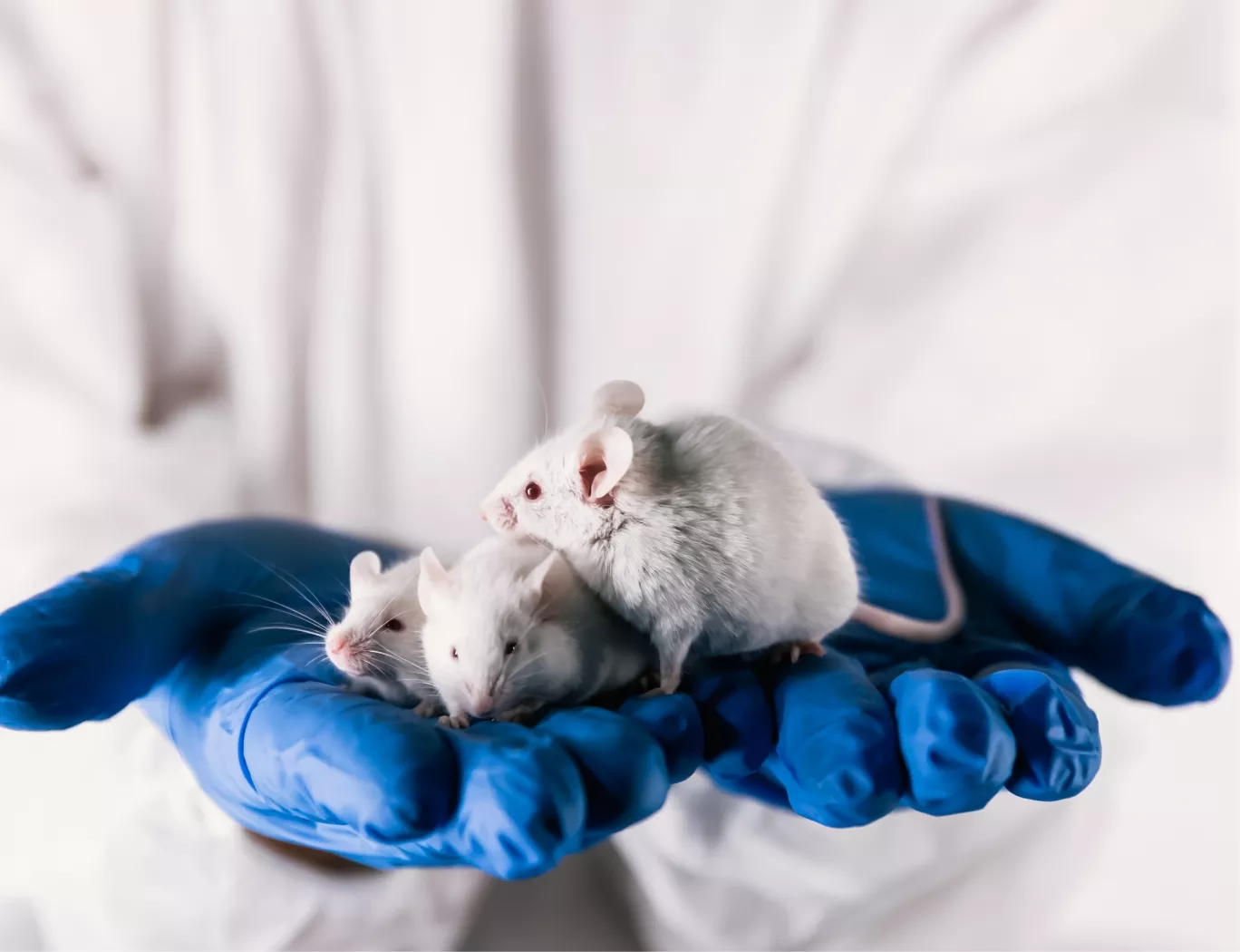
A researcher in a lab coat and blue gloves gently holds three white lab mice, symbolizing animal models in scientific research.

Engineering Vectors for Cross-Species Predictability

A proactive strategy involves designing AAV capsids with improved translational properties. By identifying and modulating the amino acid residues responsible for broad tropism, such as galactose binding, vectors can be engineered to de-target organs like the liver and enhance specificity for the intended tissue.

This approach directly addresses the root cause of cross-species variability. An engineered capsid with reduced dependence on receptors that vary between species can yield a more consistent biodistribution profile, making the subsequent dose-finding and safety studies in NHPs more predictive of clinical performance.

“We started collaborating with UPenn Vector core in 2023 and the AAV vector which they manufactured laid a foundation for development of a gene therapy candidate which will enter soon preclinical studies. The key people from UPenn Vector Core joined Franklin Biolabs and our partnership transitioned without interruption from UPenn Vecor Core to Franklin Biolabs Research Vector Division. Franklin Biolabs is our trusted partner in our AAV-vector based gene therapy candidate development and we hope to continue the partnership for years to come.”
— Biotech Partner

Integrated In Vivo Programs for IND Success

Franklin Biolabs provides the infrastructure and expertise to execute these complex translational studies. Our GxP-compliant programs are conducted within a >100,000 sq ft facility designed for advanced therapeutic modalities.

)

Our approach integrates vector biology with rigorous in vivo study design to generate the data required for regulatory submission. This includes:

  • Dose-range finding studies in appropriate rodent models.

  • Pivotal NHP studies to confirm safety, biodistribution, and expression.

  • Comprehensive bioanalysis, including qPCR, ddPCR, ELISA, and full-panel histology services.

This structured methodology streamlines the path to a successful regulatory filing. By systematically addressing cross-species variables, we help sponsors build a robust data package that supports an average 18-24 month IND timeline.

Scientific Process Diagram

This content is for informational purposes. For guidance specific to your therapeutic program, please contact our team for a consultation.