Digital Image Analysis for Quantifying Pathological Changes in Gene Therapy Studies

PROVEN INTELLIGENCE ACCELERATING NEXT-GENERATION THERAPIES.

Digital Image Analysis for Quantifying Pathological Changes in Gene Therapy Studies

Quantitative Digital Pathology for Gene Therapy Programs

CELL & GENE | RNA | BIOLOGICS

A scientist in a sterile laboratory setting uses a multichannel pipette to transfer pink liquid into a multi-well plate for a high-throughput experiment.

Our application of proven intelligence in preclinical pathology accelerates the development of advanced therapeutics and complex biologics. By generating objective, quantifiable data, we help sponsors minimize clinical risk on the path to regulatory submission.


Frequently Asked Questions

How does digital image analysis improve upon traditional pathology for AAV studies?

Digital analysis replaces subjective, semi-quantitative scoring with objective, algorithm-driven quantification. This provides highly reproducible data on cell-level changes, vector biodistribution, and transgene expression, which is valuable for assessing the effects of AAV-based therapeutics.

Can these quantitative methods be applied in GLP-compliant environments?

Yes. Our digital pathology platform, including whole-slide imaging and subsequent analysis, can be operated under GLP conditions. This ensures that the quantitative data generated for IND-enabling toxicology studies meets rigorous regulatory standards for integrity and reproducibility.

What types of pathological changes can be quantified with this platform?

The platform can quantify a wide range of endpoints, including:

  • Cell counting and population density
  • Area of inflammation or tissue damage
  • Intensity of immunostaining (IHC/IF)
  • Quantification of RNAscope®/ISH signals for transgene expression
  • Morphometric analysis of cellular structures
How does this data support IND submissions for next-generation therapies?

Quantitative pathology provides regulatory agencies with objective, defensible data that substantiates safety and efficacy claims. It removes the ambiguity of traditional scoring, strengthening the overall data package for an Investigational New Drug (IND) application.


From Subjective Observation to Objective Measurement

A standard, one-size-fits-all preclinical testing template does not exist for gene therapies. The biological activity of viral vectors like AAV or non-viral systems such as lipid nanoparticles (LNPs) requires a more precise approach to toxicologic pathology. Traditional semi-quantitative scoring, while established, introduces observer variability that can obscure subtle but meaningful findings.

Digital image analysis and whole-slide imaging remove this subjectivity. By converting entire tissue sections into high-resolution digital assets, we can deploy validated algorithms to measure pathological changes with mathematical precision. This approach generates objective data sets that are reproducible and directly comparable across cohorts and studies.

A blue-toned image of white lab rats in their cages within a laboratory or vivarium setting, likely for scientific research or testing.

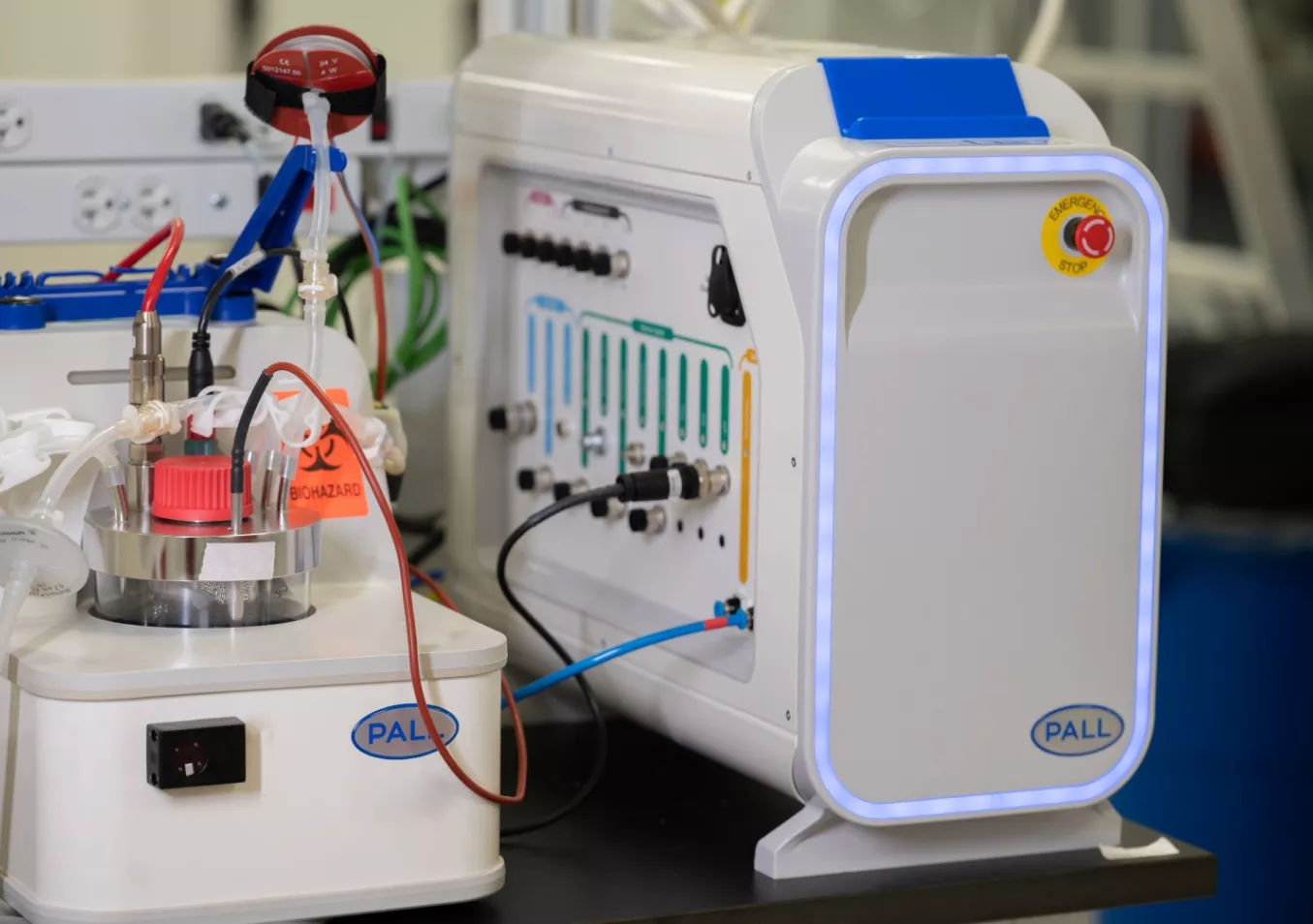
A close-up shot of a modern bioreactor system and control unit from Pall Corporation in a clean laboratory environment.

Quantifying Biodistribution and Transgene Expression

For gene therapy programs, understanding vector tropism and transgene expression is fundamental. Our pathology services use advanced techniques like multiplex in situ hybridization (ISH) with our digital analysis platform. This allows for the precise quantification of vector DNA, guide RNA, or messenger RNA within specific cell types and tissues.

This level of precision is needed when evaluating novel capsids or delivery systems. For instance, biodistribution studies assessing engineered AAV variants designed to modulate tissue targeting benefit from quantitative analysis that can detect subtle shifts in vector localization (PMID: 39001819). This objective data is invaluable for confirming on-target activity and identifying potential off-target liabilities early in development.

Supporting IND-Enabling Toxicology

Our quantitative pathology methods are applied within IND-enabling toxicology studies conducted under GLP conditions. The objective data generated from digital image analysis provides a robust foundation for safety assessments in pivotal preclinical programs. This approach strengthens the overall data package for regulatory submissions by replacing subjective scoring with reproducible, algorithm-driven metrics.

This page is a component of our broader Preclinical | Translational Services.


Scientific Process Diagram

This content is for informational purposes. For guidance specific to your therapeutic program, please contact our team for a consultation.