Efficacy of Humanized CAR-T Cell Models in Patient-Derived Xenografts (PDX) for Lung Cancer

PROVEN INTELLIGENCE ACCELERATING NEXT-GENERATION THERAPIES

Efficacy of Humanized CAR-T Cell Models in Patient-Derived Xenografts (PDX) for Lung Cancer

Humanized CAR-T Efficacy Studies in Lung Cancer PDX Models

CELL & GENE | RNA | BIOLOGICS
Frequently Asked Questions (FAQ)

    What is the primary advantage of using PDX models for CAR-T cell therapy evaluation?

    A: Patient-Derived Xenograft (PDX) models preserve the histological architecture, heterogeneity, and tumor microenvironment of the original patient tumor. This provides a higher degree of predictive validity for CAR-T efficacy and toxicity compared to studies using dissociated cell lines.

    How are the models “humanized” for CAR-T studies?

    A: The studies utilize immunodeficient host strains engrafted with human hematopoietic stem cells (e.g., CD34+). This allows for the development of a functional human immune system, enabling relevant analysis of CAR-T cell persistence, expansion, and effector function in vivo.

    What are the key endpoints for a lung cancer PDX CAR-T study?

    A: Standard endpoints include tumor growth inhibition (TGI) and survival analysis. Advanced readouts involve quantifying CAR-T cell infiltration and persistence within the tumor via Histology and flow cytometry, profiling systemic cytokine release, and assessing non-target tissue biodistribution.

    How does HLA matching factor into these study designs?

    A: HLA matching between the PDX tumor and the engrafted human immune system is a controllable variable. This allows for the investigation of HLA-restricted T-cell responses and potential on-target, off-tumor toxicities, which can de-risk clinical translation by mirroring patient-specific immune interactions.

Executive Summary

Patient-Derived Xenograft (PDX) models reconstituted with a functional human immune system provide the most clinically translatable preclinical data for Chimeric Antigen Receptor (CAR) T-cell efficacy in solid tumors. This platform accurately recapitulates the complex tumor microenvironment of lung cancer, enabling robust evaluation of cell therapy candidates and informing IND-enabling packages.

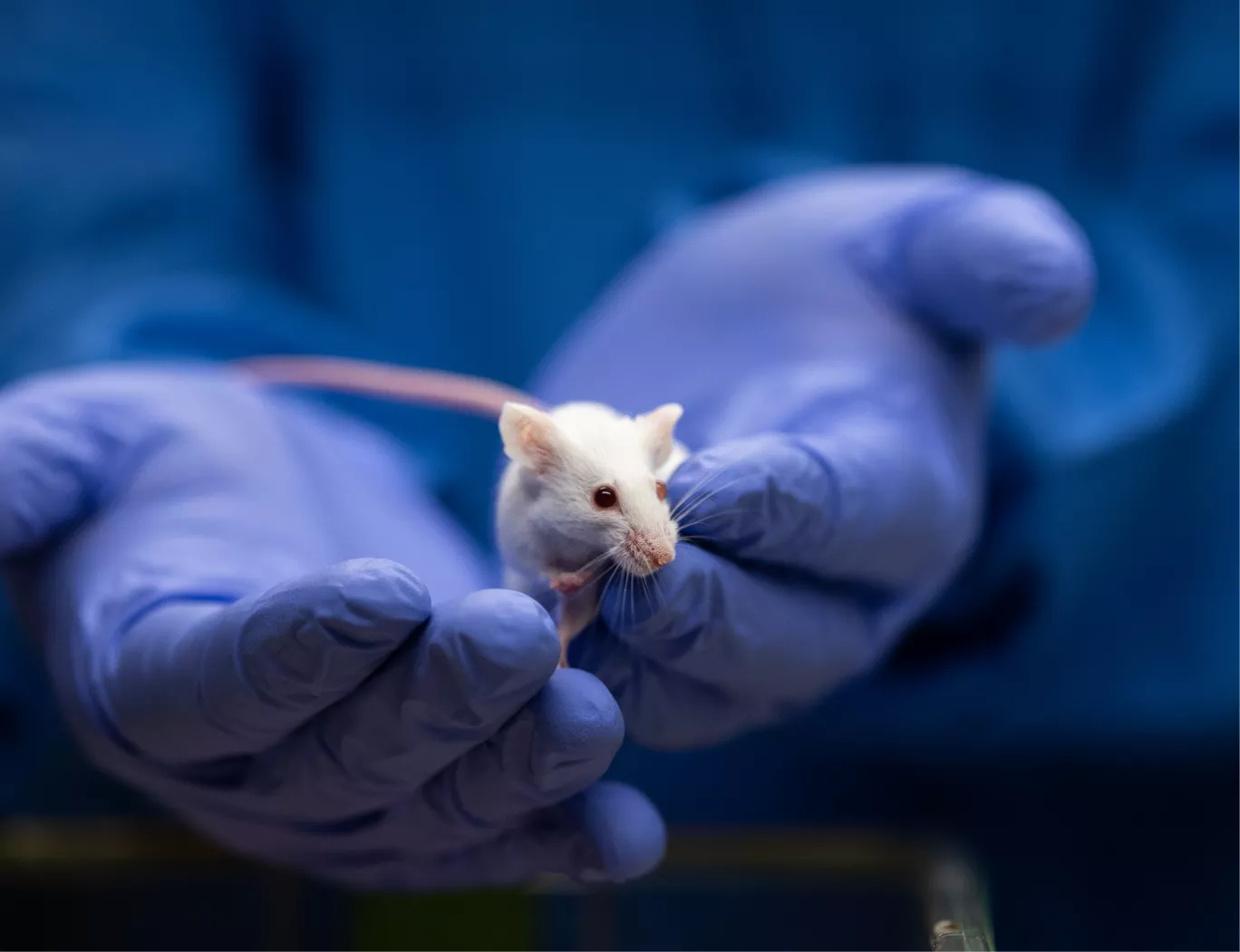
A close-up of a scientist in blue gloves gently holding a small, white laboratory mouse, likely in a research setting.

Validating CAR-T Function in a Syngeneic Human TME

Assessing CAR-T cell therapeutic candidates for solid tumors like non-small cell lung cancer (NSCLC) demands an in vivo model that reflects the clinical environment. Standard xenograft models lack a competent immune system, failing to capture the dynamics of CAR-T cell trafficking, infiltration, and persistence within an immunosuppressive tumor microenvironment (TME).

PDX models solve this by maintaining the fidelity of the original patient tumor. When combined with human immune system (HIS) reconstitution, these models enable a comprehensive evaluation of:

  • Tumor Infiltration: Quantifying the ability of CAR-T cells to penetrate the dense stromal architecture of a solid tumor.

  • On-Target Efficacy: Measuring tumor growth inhibition and regression mediated by CAR-T cell activity.

  • Persistence and Expansion: Tracking the CAR-T cell population over time to assess durability of response.

  • Safety and Toxicity: Monitoring for signs of cytokine release syndrome (CRS) and assessing non-target tissue biodistribution.

This approach delivers the high-resolution pharmacology data required to validate complex biologicals and build a data package that withstands regulatory scrutiny.

Genetic Context and Immune Response

The interaction between a therapeutic agent and a patient’s unique genetic background can significantly influence outcomes. For instance, research into transgene-specific T-cell responses has shown that immune reactions can be directed against polymorphic peptides restricted by specific, and sometimes rare, HLA alleles (PMID: 28137880).

This principle is directly applicable to cell therapy development. A patient’s HLA haplotype can dictate the potential for both therapeutic efficacy and off-tumor toxicity. Humanized PDX models provide a platform to investigate these genetically-driven interactions preclinically, allowing for the characterization of how a CAR-T construct performs across different, clinically relevant genetic contexts before entering human trials.

IND-Enabling Pharmacology Programs

Franklin Biolabs executes these complex pharmacology studies within a GxP framework in our >100,000 sq ft facility, supporting an average 18-24 month IND timeline for our sponsors. Our scientific and regulatory expertise has contributed to a 100% IND success rate for programs conducted since 2019. (The Franklin Biolabs brand was launched in 2024).

Our programs are designed in collaboration with strategic partners to source well-characterized PDX models and humanized host strains. All studies are conducted in compliance with AAALAC and USDA standards, fully embracing the 3Rs principles of Animal Welfare.

Scientific Process Diagram

This content is for informational purposes. For guidance specific to your therapeutic program, please contact our team for a consultation.