EMA-Compliant Preclinical Safety Packages for AAV-Based Gene Therapies in NHP Models

PROVEN INTELLIGENCE ACCELERATING NEXT-GENERATION THERAPIES

EMA-Compliant Preclinical Safety Packages for AAV-Based Gene Therapies in NHP Models

CELL & GENE | RNA | BIOLOGICS
  • Navigating European Regulatory Pathways with Precision NHP Biodistribution and Toxicology Data.*

  • What are the EMA’s primary concerns for AAV gene therapy safety packages in NHP models?

    The EMA focuses on several key areas: vector biodistribution to target and non-target tissues, potential for germline transmission, long-term expression and persistence, dose-dependent toxicity, and immunogenicity. A robust nonhuman primate (NHP) study must comprehensively address these points with GxP-compliant data, including detailed molecular and histological analysis to support the proposed clinical starting dose.

    How does capsid selection influence the design of an EMA-compliant NHP study?

    Capsid selection directly dictates the vector’s tropism, transduction efficiency, and immunogenic profile, which are central to the safety assessment. An NHP study design must be tailored to the specific properties of the chosen capsid (e.g., AAV8, AAVrh10, AAV3B). This includes selecting appropriate endpoints for tissues known to be targeted by that serotype and designing sensitive assays to detect potential effects in non-target tissues and pre-existing neutralizing antibodies.

    What level of molecular analysis is expected for biodistribution studies?

    EMA guidance requires quantitative, sensitive, and specific methods to determine vector copy numbers in all relevant tissues and fluids. Quantitative PCR (qPCR) or droplet digital PCR (ddPCR) are the standard assays for this purpose. The study must assess both the extent of distribution and the persistence of the vector over a defined time course, including an analysis of vector shedding in excreta.

    How are immunogenicity assessments structured for EMA submissions?

    Immunogenicity assessments must evaluate both humoral (antibody-based) and cellular (T-cell) immune responses. This involves measuring neutralizing antibodies (NAbs) against the AAV capsid at baseline and throughout the study. It also includes assays like ELISpot to assess T-cell responses to both the capsid and the transgene product. These data are vital for interpreting toxicology findings and predicting potential immune-related adverse events in humans.

Designing a preclinical safety and toxicology program for AAV-based gene therapies requires a deep understanding of European regulatory expectations. For sponsors targeting EMA submission, the nonhuman primate model is the most translationally relevant species for evaluating biodistribution, potential toxicity, and immunogenicity. This page outlines the core components of an EMA-compliant NHP study, emphasizing strategic capsid selection, GxP-compliant execution, and the integration of advanced analytical methods to generate a submission-ready data package. Franklin Biolabs navigates the complex regulatory requirements for gene therapies, delivering comprehensive data packages within a typical 18-24 month timeline.

Core Components of an EMA-Compliant Safety Program

A successful regulatory submission to the EMA hinges on a preclinical data package that prospectively addresses key questions about the AAV vector’s behavior in vivo. The program must be designed to establish a clear safety profile and justify the proposed first-in-human dose.

Key study components include:

  • Dose-Range Finding (DRF): Initial non-GxP studies to identify a well-tolerated dose range and inform the design of the pivotal study.

  • Pivotal GxP Toxicology: A comprehensive, repeat-dose study to evaluate systemic and local toxicity, including clinical observations, clinical pathology, and full histological analysis.

  • Biodistribution and Shedding: Quantitative assessment of vector DNA distribution, persistence in tissues, and clearance through excreta over time. This includes specific evaluation of non-target tissue biodistribution.

  • Integrated Immunogenicity Evaluation: Assessment of innate and adaptive immune responses to the AAV capsid and transgene product as a key toxicology endpoint.

“We started collaborating with UPenn Vector core in 2023 and the AAV vector which they manufactured laid a foundation for development of a gene therapy candidate which will enter soon preclinical studies. The key people from UPenn Vector Core joined Franklin Biolabs and our partnership transitioned without interruption from UPenn Vecor Core to Franklin Biolabs Research Vector Division. Franklin Biolabs is our trusted partner in our AAV-vector based gene therapy candidate development and we hope to continue the partnership for years to come.”
– Biotech Partner

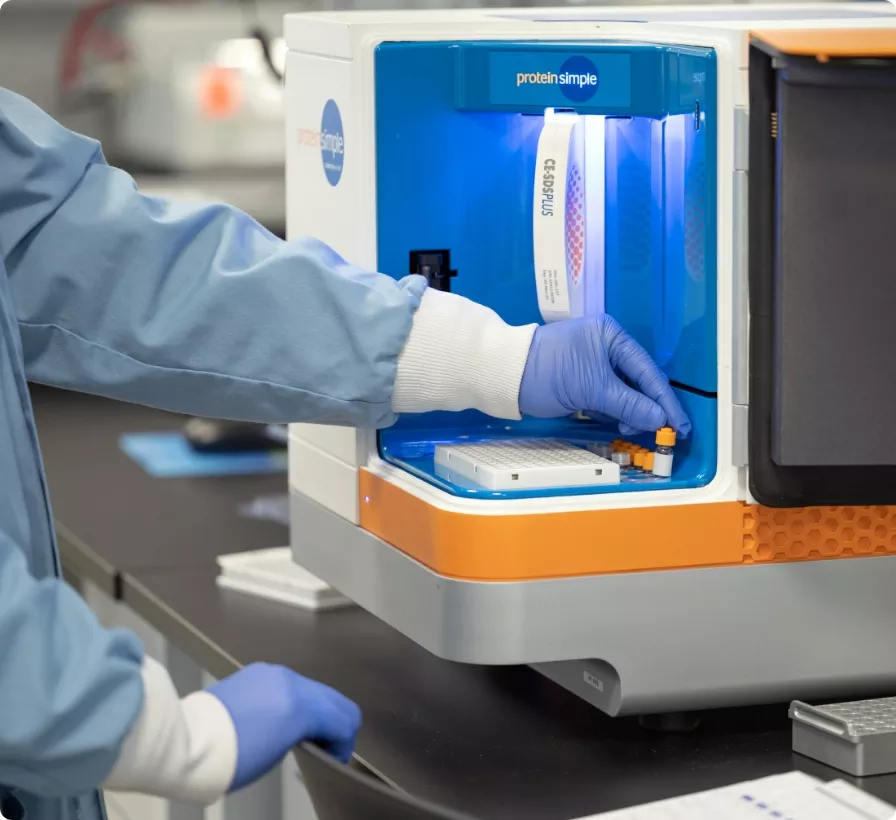
A scientist in a lab coat and gloves loads samples into a ProteinSimple instrument for analysis.

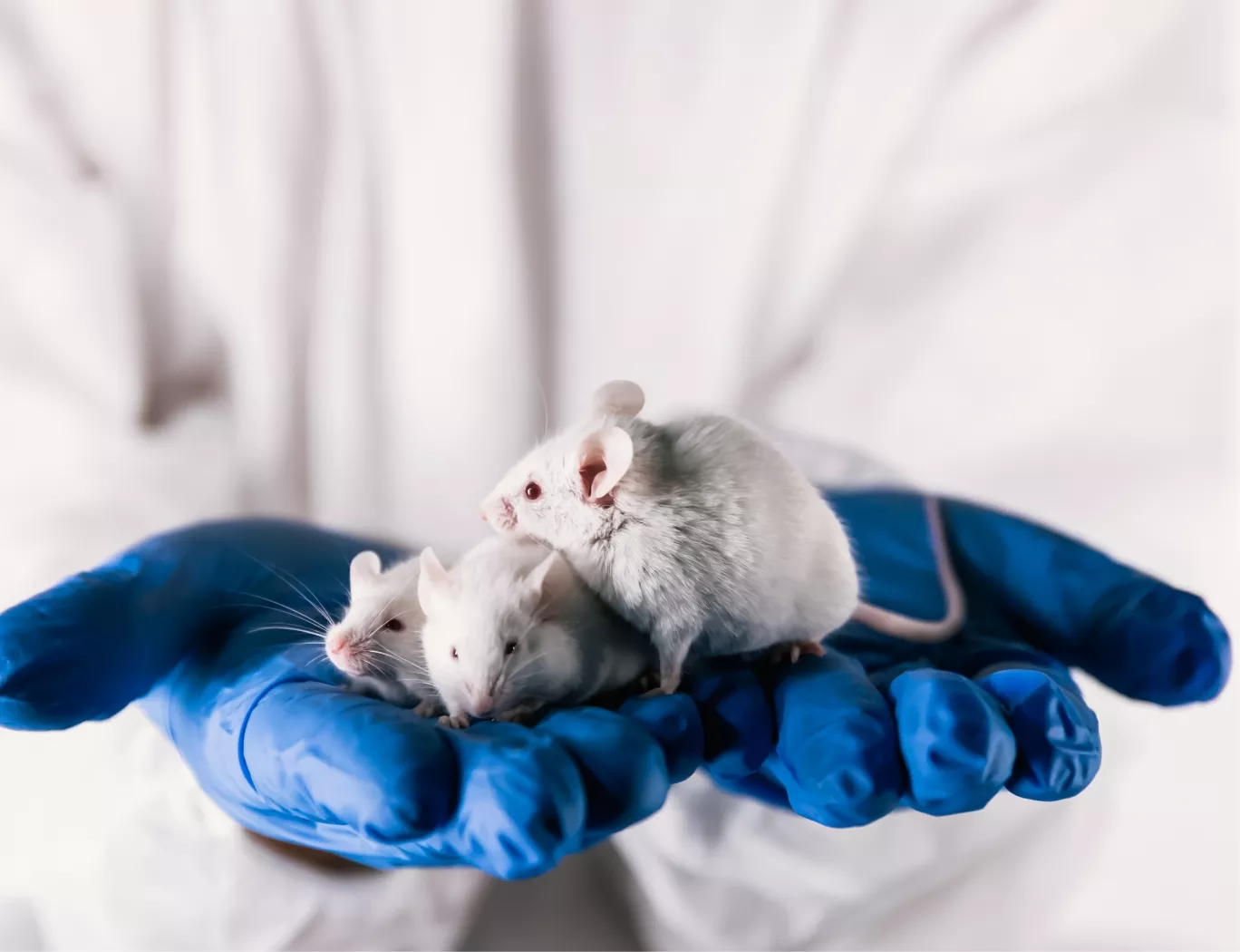
A researcher in a lab coat and blue gloves gently holds three white lab mice, symbolizing animal models in scientific research.

Strategic Capsid Selection for Liver-Directed Therapies

The choice of AAV capsid is a primary determinant of clinical success, directly impacting tissue tropism and transduction efficiency. For liver-directed gene therapies, systematic evaluation of different serotypes is necessary to select the optimal vector.

Scientific literature underscores the value of this comparative approach. For instance, studies comparing natural and engineered capsids have demonstrated that vectors like AAV3B can achieve high liver transduction comparable to established clade E vectors, marking them as strong candidates for clinical development (PMID: 26412589). Similarly, systematic evaluations of novel capsids have identified vectors such as AAV8 and AAVrh.8 as superior candidates for high, stable transgene expression, justifying their advancement into NHP evaluation (PMID: 19861950). This data-driven selection process is fundamental to designing an efficient and informative preclinical program.

Animal Welfare and GxP-Compliant Execution

Our Animal Welfare program is fully compliant with AAALAC and USDA guidelines, incorporating the principles of the 3Rs (Replacement, Reduction, and Refinement) into every study design. This ensures not only the ethical treatment of animals but also the generation of high-quality, reproducible data required for regulatory review.

Scientific Process Diagram

This content is for informational purposes. For guidance specific to your therapeutic program, please contact our team for a consultation.