Establishing Preclinical NHP Models of Rare Genetic Disorders for Gene Therapy Efficacy Testing

PROVEN INTELLIGENCE ACCELERATING NEXT-GENERATION THERAPIES

Establishing Preclinical NHP Models of Rare Genetic Disorders for Gene Therapy Efficacy Testing

Developing Preclinical NHP Models of Rare Genetic Disorders for In Vivo Gene Therapy Studies

CELL & GENE | RNA | BIOLOGICS

A stylized, 3D rendering of a DNA double helix in light blue and white, set against a soft-focus, light gray background.

Executive Summary

Developing gene therapies for rare monogenic disorders requires preclinical models that accurately forecast human physiological responses. Non-human primate (NHP) models offer the highest translational fidelity for evaluating the in vivo safety and tolerability of novel AAV-based constructs, particularly for disorders affecting the central nervous system. A robust NHP modeling strategy involves precise model sourcing, comprehensive veterinary characterization, and rigorous in-life management and observation. This approach de-risks clinical development and supports an accelerated path to regulatory submission, typically within an 18-24 month IND timeline.

Frequently Asked Questions

    What is the primary value of an NHP model for a rare genetic disease?

    A: NHPs provide unparalleled anatomical, physiological, and immunological similarity to humans. This is especially relevant for gene therapies targeting the CNS, where brain size, structure, and the complexity of the blood-brain barrier directly impact a vector’s behavior and tolerability in a complex biological system.

    How do you characterize a newly established NHP model?

    A: Model characterization focuses on establishing a comprehensive health profile. This includes extensive veterinary health screens, baseline clinical observations, and behavioral assessments. Advanced imaging like MRI or PET can be utilized for non-invasive structural monitoring, ensuring a stable and well-understood colony health baseline prior to study initiation.

    Can you accommodate custom AAV serotypes or novel capsids?

    A: Yes. Our teams have extensive experience with the technical preparation and administration of both established and proprietary AAV vectors. We develop and qualify precise administration procedures to ensure consistent delivery to target anatomical locations as dictated by the study protocol.

    What GxP standards apply to these in-life studies?

    A: While these are non-GxP research studies, all procedures, animal care, and facility operations are performed in a GxP-compliant environment. This ensures the integrity of all in-life observational data and supports a seamless transition into formal GxP toxicology and safety pharmacology studies.

The Challenge of Modeling Monogenic Disease in a Translational Species

For gene therapies targeting rare genetic disorders, selecting an appropriate animal model is a pivotal decision that influences the entire development program. While rodent models are useful for initial research, their predictive value for human safety is limited. The significant neuroanatomical and immunological differences between rodents and humans can lead to a misinterpretation of a vector’s potential safety and tolerability profile.

Non-human primate models bridge this translational gap. Their genetic proximity and physiological complexity provide a more accurate system for assessing how a therapeutic vector will be tolerated in a clinical setting. This is particularly true for evaluating delivery to the CNS, observing for potential immune-mediated adverse events, and understanding the long-term safety profile of a gene therapy candidate.

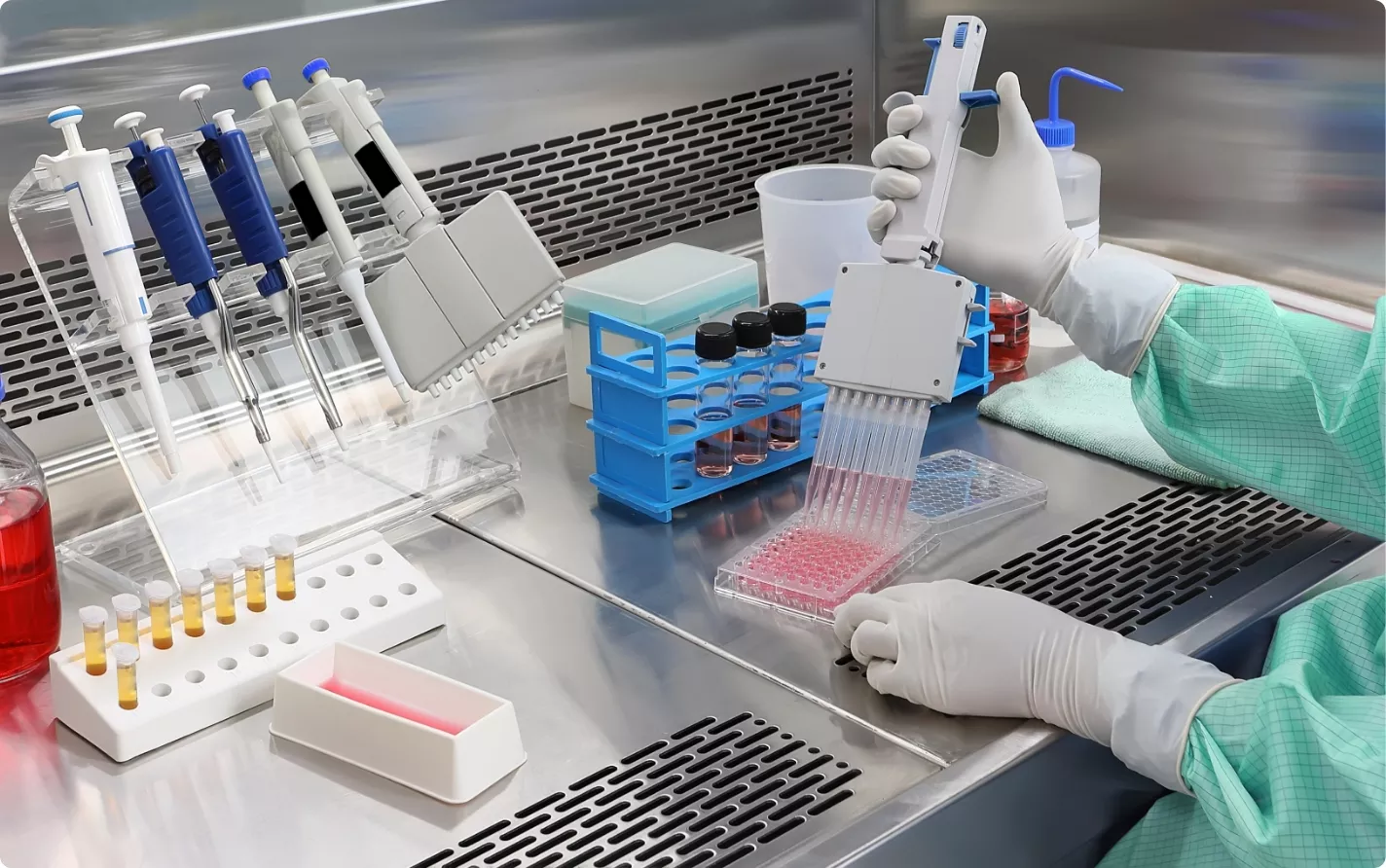
A scientist in a sterile laboratory setting uses a multichannel pipette to transfer pink liquid into a multi-well plate for a high-throughput experiment.

Our Approach to NHP Model Development and In-Life Care

A successful NHP study begins with a deep understanding of the target disease’s pathophysiology. Our approach involves a collaborative process to align the in-life study design with the goals of the development program.

  • Phenotypic Sourcing and Maintenance: We identify and source animals with key disease-relevant phenotypes, ensuring the colony provides a stable and appropriate biological context for the planned in vivo study.

  • Dose Route and Administration: We leverage advanced surgical and imaging capabilities to support clinically relevant routes of administration. This precision ensures the preclinical study design accurately reflects the intended human trial protocol.

The strategic insights derived from studies evaluating AAV gene therapies in large animal models (PMID: 35333110) underscore the value of this approach. Demonstrating a favorable safety profile in a highly translational species provides a strong foundation for advancing a candidate toward clinical investigation.

Animal Welfare and Enhanced Responsibility

All animal studies at Franklin Biolabs are conducted with an unwavering commitment to ethical and humane treatment. Our programs, which leverage a >100,000 sq ft facility, operate in strict compliance with USDA regulations and follow the standards of AAALAC International. We are dedicated to the principles of the 3Rs (Replacement, Reduction, and Refinement) as a core component of our scientific and ethical framework.

A blue-toned image of white lab rats in their cages within a laboratory or vivarium setting, likely for scientific research or testing.

Specialized In-Life Procedures and Program Management

Gene therapy studies in NHP models of rare disease are complex undertakings that require specialized infrastructure and expertise. Our veterinary and surgical teams are skilled in performing clinically relevant administration techniques, including challenging deliveries to the CNS. The quality of our in-life study conduct, animal care, and program management provides the reliable foundation our sponsors require.

Since our brand launch in 2024, we have built upon a legacy of expertise that has contributed to a 100% IND approval rate for our sponsors’ programs since 2019. This record reflects our commitment to excellence in executing the in-life phases of preclinical development.

Scientific Process Diagram

This content is for informational purposes. For guidance specific to your therapeutic program, please contact our team for a consultation.