Evaluating Anti-Tumor Activity and Persistence of Allogeneic CAR-NK Cells in Humanized Mouse Models

PROVEN INTELLIGENCE ACCELERATING NEXT-GENERATION THERAPIES

Evaluating Anti-Tumor Activity and Persistence of Allogeneic CAR-NK Cells in Humanized Mouse Models

Evaluating Allogeneic CAR-NK Cell Activity in Humanized In Vivo Systems

CELL & GENE | RNA | BIOLOGICS

Proven Intelligence Accelerating Next-Generation Therapies.

A blue-toned image of white lab rats in their cages within a laboratory or vivarium setting, likely for scientific research or testing.

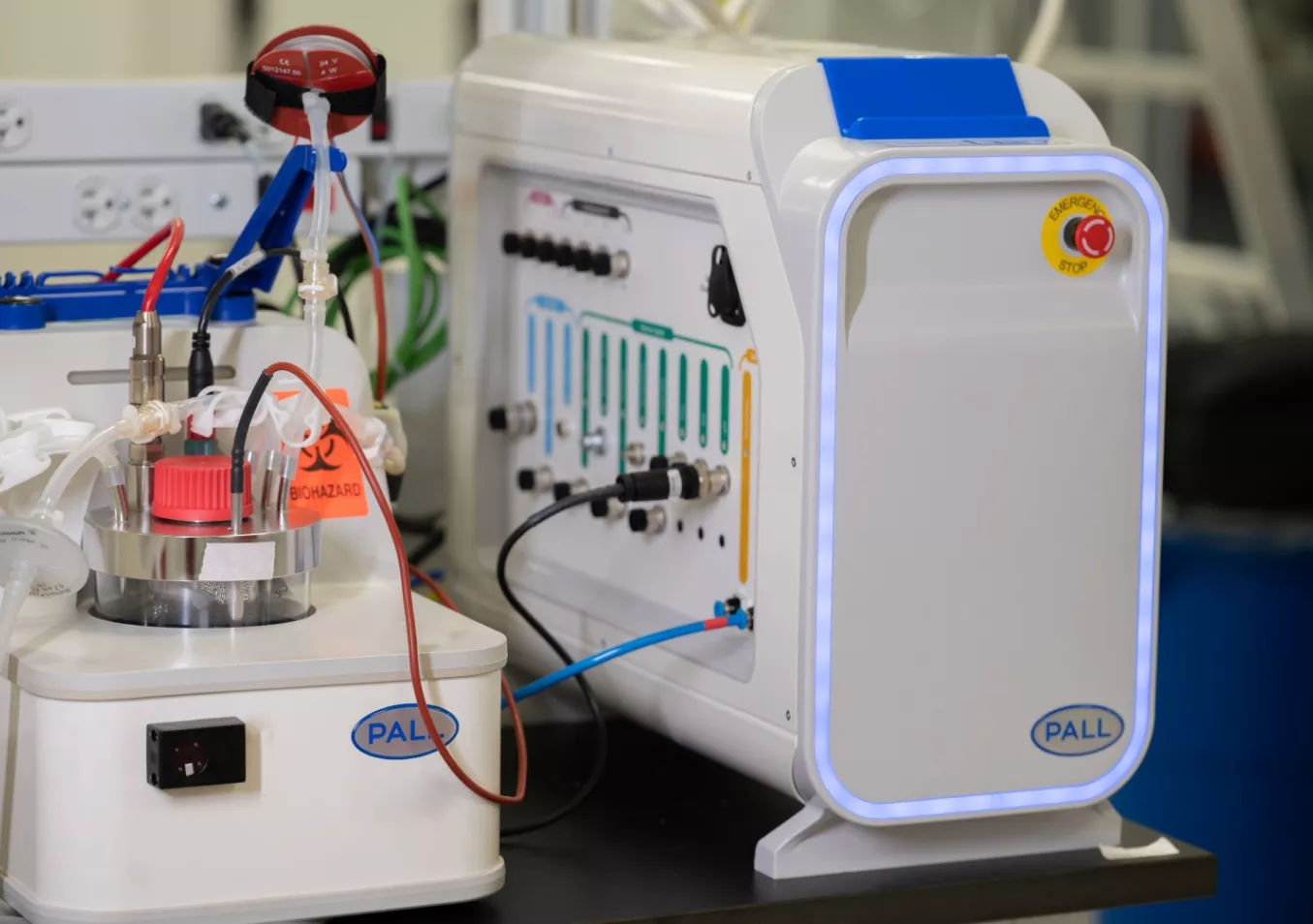
A close-up shot of a modern bioreactor system and control unit from Pall Corporation in a clean laboratory environment.

Executive Summary

The technical approach for evaluating the anti-tumor activity, persistence, and safety of allogeneic Chimeric Antigen Receptor Natural Killer (CAR-NK) cell therapies requires tailored in vivo study designs. The strategy generates IND-enabling data by accurately assessing cell kinetics, immune-mediated rejection, and on-target efficacy. Franklin Biolabs provides these services within its >100,000 sq ft GxP-compliant facility, leveraging deep expertise to help sponsors achieve IND milestones in an 18-24 month timeline.

Frequently Asked Questions

    What is the primary challenge when evaluating allogeneic CAR-NK cells in vivo?

    The main obstacle is predicting and measuring the persistence of the CAR-NK cells in the presence of a competent host immune system. Allogeneic products can be rapidly cleared by host-versus-graft responses, limiting their therapeutic window. Our models are designed to recapitulate key aspects of this human immune interaction.

    Which humanized in vivo models are most appropriate for CAR-NK studies?

    The selection depends on the specific therapeutic mechanism and target. Models engrafted with human hematopoietic stem cells (HSCs) to develop a multi-lineage human immune system are often used. These systems allow for the assessment of both anti-tumor activity and potential rejection by human T cells and other immune subsets.

    How is CAR-NK cell persistence and biodistribution tracked?

    We employ multiple methods, including in vivo bioluminescence imaging (BLI) for real-time, non-invasive tracking of luciferase-expressing CAR-NK cells. At terminal endpoints, flow cytometry and quantitative PCR (qPCR) on tissues provide precise quantification of cell numbers and locations.

    Can these studies be performed under GxP conditions?

    Yes. All IND-enabling toxicology and biodistribution studies are conducted in-house under GxP conditions, supported by a robust quality assurance program. This ensures data integrity for regulatory submissions.

A Tailored Preclinical Strategy for Allogeneic Cell Therapies

A standard preclinical testing template does not exist for allogeneic CAR-NK cell therapies. The central scientific question is whether the therapeutic cells can persist long enough to exert a meaningful anti-tumor effect before being cleared by the host immune system. Answering this requires a data-driven preclinical strategy tailored specifically to the asset and its target indication.

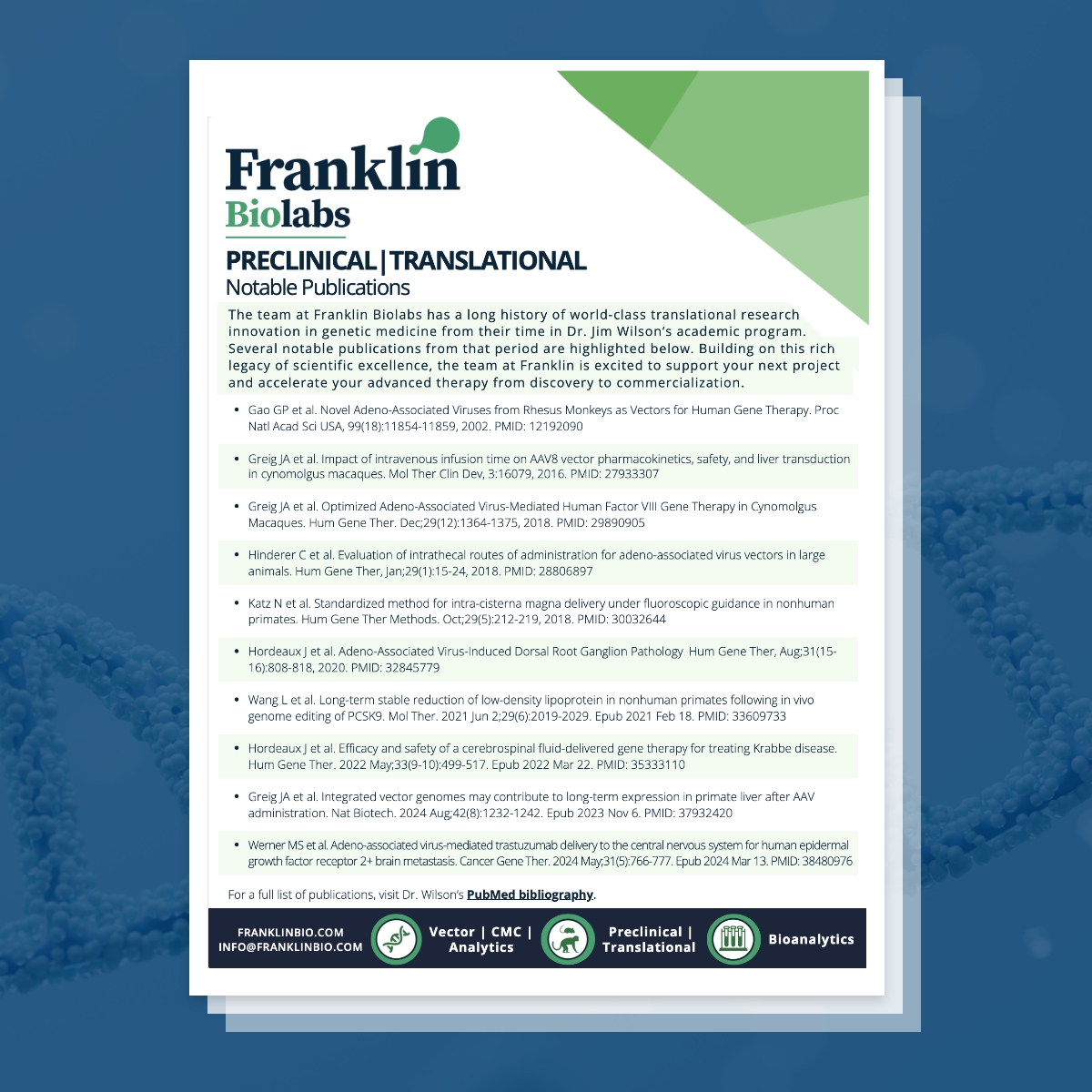
The value of using humanized models for complex therapies is well-established. For instance, studies with AAV vectors in humanized systems demonstrated that such platforms are effective for assessing a therapy’s impact on a human-specific target (PMID: 22985273). This principle directly applies to CAR-NK evaluation, where the interaction between the human CAR-NK cell, a human tumor xenograft, and a humanized immune system provides the most translationally relevant data.

A stylized 3D rendering of a DNA double helix, composed of light-colored spheres on a translucent blue backbone, set against a soft-focus, light blue background.

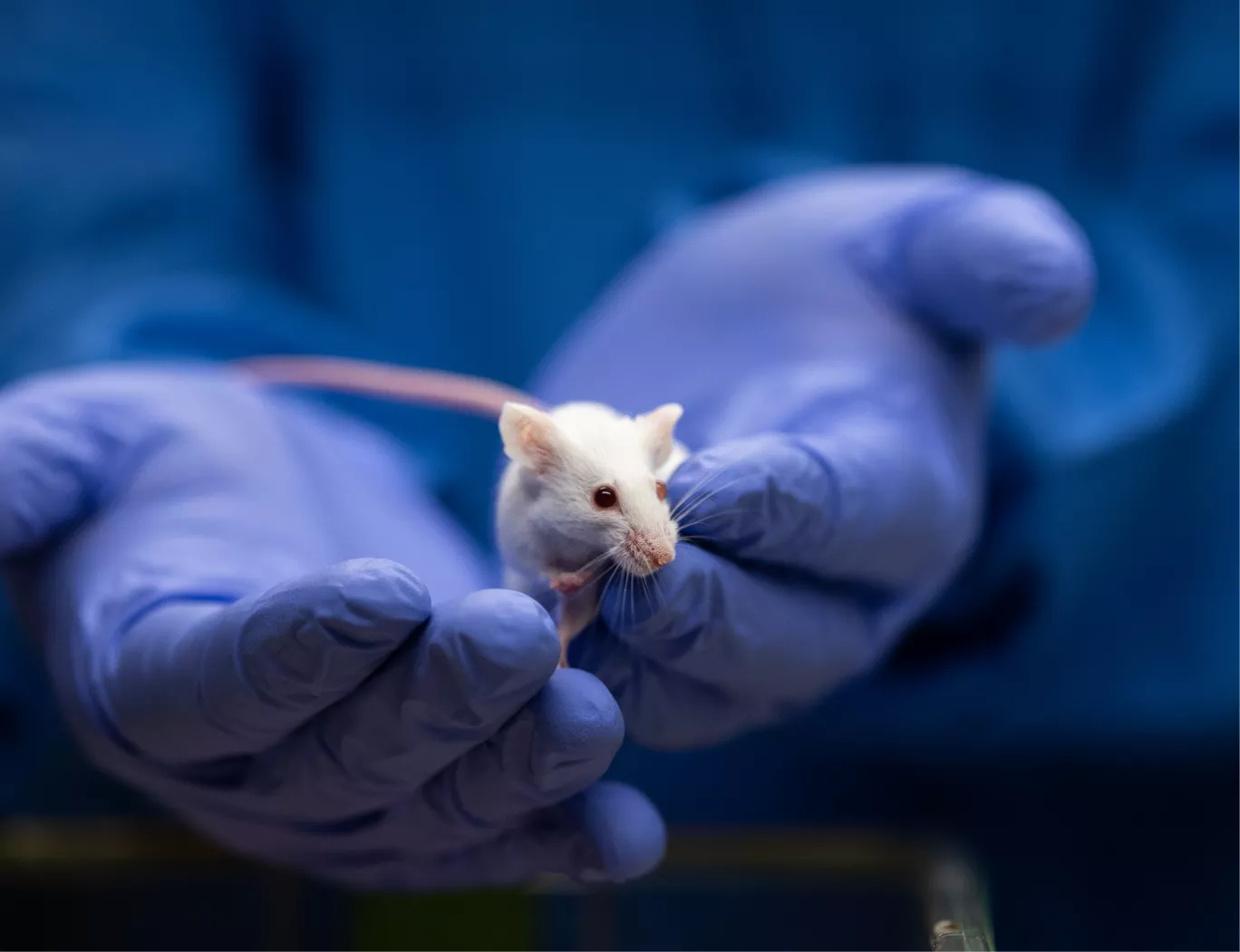
A close-up of a scientist in blue gloves gently holding a small, white laboratory mouse, likely in a research setting.

Monitoring Persistence and Mitigating Immune Rejection

The persistence of any cellular therapy is often limited by host immune responses. Investigations into waning transgene expression from viral vectors have shown that transgene-specific T-cell activation can be responsible for the loss of therapeutically modified cells (PMID: 19724265). This finding underscores the need to proactively measure and understand immune-mediated clearance mechanisms.

For allogeneic CAR-NK programs, this translates to a requirement for high-resolution immune profiling throughout the in vivo study. Our approach includes:

  • Serial Blood Sampling: To monitor CAR-NK cell counts and host immune cell populations over time via flow cytometry.

  • Tumor Microenvironment Analysis: To assess the infiltration of CAR-NK cells and host immune effectors at the tumor site.

  • Non-Target Tissue Biodistribution: To confirm the localization of CAR-NK cells and evaluate potential off-tumor activity.

In Vivo Study Design and Execution

Our in vivo services for CAR-NK therapies are designed to produce clear, actionable data. While Franklin Biolabs as a brand launched in 2024, our scientific leadership team’s work has contributed to a 100% successful IND rate for sponsors since 2019.

Parameter Methodology Purpose
Tumor Growth Caliper Measurements & Imaging Quantify anti-tumor efficacy
Cell Persistence Bioluminescence Imaging (BLI) Real-time, longitudinal tracking
Cell Biodistribution qPCR / Flow Cytometry Quantify cell presence in tissues
Immune Response Multi-Color Flow Cytometry Profile host immune cell changes
Safety Clinical Observations & Histology Monitor animal health and tissue effects

Animal Welfare and Program Integrity

All studies are conducted with a commitment to animal welfare, adhering to the 3Rs principle (Replacement, Reduction, and Refinement). For all programs, we maintain robust supply chain oversight and ethical practices to ensure program integrity and minimize risk for sponsors.

Technical Visualization: In Vivo CAR-NK Evaluation Workflow

Scientific Process Diagram

This content is for informational purposes. For guidance specific to your therapeutic program, please contact our team for a consultation.