GLP-Compliant Archiving of Tissues, Blocks, and Slides for European Regulatory Compliance

PROVEN INTELLIGENCE ACCELERATING NEXT-GENERATION THERAPIES

GLP-Compliant Archiving of Tissues, Blocks, and Slides for European Regulatory Compliance

GxP-Compliant Tissue Archiving for European Regulatory Compliance

CELL & GENE | RNA | BIOLOGICS

Frequently Asked Questions (FAQ)

    What are the specific retention period requirements for preclinical tissues under EMA guidelines?

    A: EMA guidelines, aligned with OECD Series on Principles of Good Laboratory Practice (GLP), typically require that wet tissues, paraffin blocks, and slides from regulatory toxicology studies be archived for the duration of the therapeutic’s marketing authorisation, or as specified in the study plan. Franklin Biolabs manages retention schedules to ensure full compliance.

    How does Franklin Biolabs ensure chain of custody and data integrity for archived samples?

    A: We utilize a validated, 21 CFR Part 11-compliant Laboratory Information Management System (LIMS) to document every sample movement, from receipt to final disposition. This creates an auditable, unbroken chain of custody, ensuring data integrity for regulatory review.

    Can archived tissues be retrieved for retrospective analysis, such as genomic sequencing?

    A: Yes. Our archiving protocols preserve samples while maintaining their biological integrity. Tissues can be retrieved under strict GxP conditions for subsequent molecular analyses, supporting new investigations or responding to regulatory inquiries.

    What environmental monitoring systems are in place for long-term GxP storage?

    A: Our >100,000 sq ft facility employs redundant, 24/7 environmental monitoring systems for temperature, humidity, and security. All systems are continuously logged, with automated alerts and backup power generators to guarantee the stability of the storage environment and protect sample integrity.

A senior scientist with grey hair is mentoring a diverse group of younger scientists or students in a laboratory setting.

Executive Summary

Long-term archiving of preclinical study materials is a mandatory component of submissions to European regulatory authorities (e.g., EMA). Proper GxP-compliant storage ensures regulatory adherence and preserves the scientific value of these irreplaceable assets for future analysis. Franklin Biolabs provides secure, environmentally controlled, and fully documented archiving for wet tissues, paraffin blocks, and slides, safeguarding your data integrity for the entire lifecycle of your therapeutic program.

Navigating EMA Archiving Mandates

Compliance with European regulatory bodies requires a systematic approach to the retention of nonclinical study materials. The integrity of a regulatory submission can depend on the ability to produce well-preserved samples and their associated documentation years after a study concludes.

Our GxP archiving services are designed to meet these stringent requirements by providing:

  • Secure, Controlled Environments: Dedicated archival space with continuous environmental monitoring and backup systems.

  • Auditable Chain of Custody: A robust LIMS platform tracks every sample, ensuring a complete and defensible history for regulatory inspection.

  • Flexible Retention Schedules: Management of storage timelines aligned with specific EMA requirements and sponsor protocols.

  • Disaster Recovery Protocols: Comprehensive plans to protect assets against unforeseen events.

This infrastructure is fundamental to our programs, which have supported a 100% IND success rate for our clients since 2019. (The Franklin Biolabs brand was launched in 2024).

A senior scientist leads a discussion with a group of diverse junior scientists in a bright, modern laboratory setting.

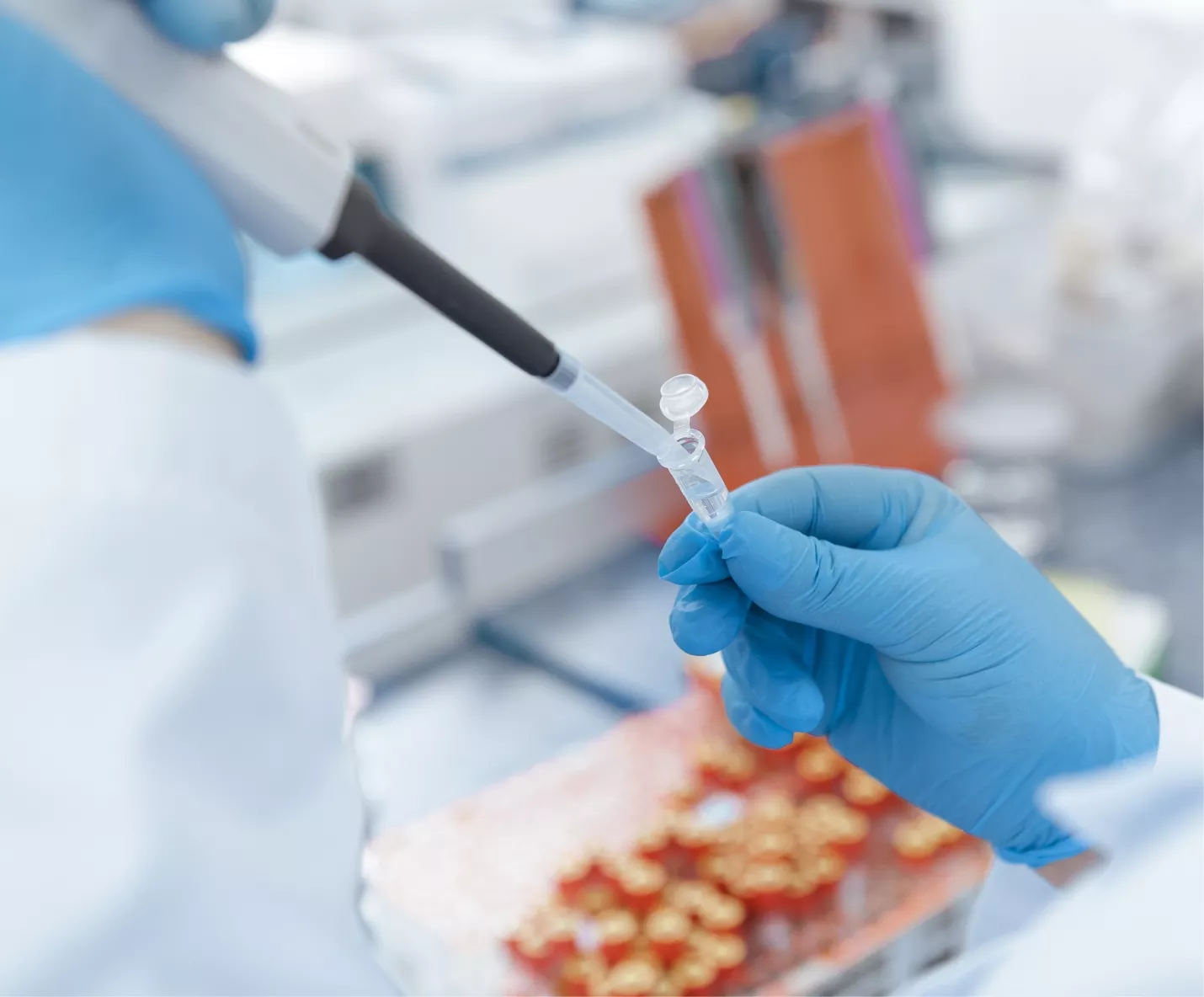
A close-up shot of a scientist in a lab coat and blue gloves using a micropipette to transfer a liquid sample into a small test tube.

Preserving Biological Integrity for Future Interrogation

Archived tissues represent a significant scientific resource beyond their primary regulatory function. The ability to perform retrospective molecular analysis on these samples can be invaluable for answering new scientific questions or addressing regulatory queries. This potential is entirely dependent on the quality of the initial preservation and storage.

For instance, research into novel gene therapy vectors often relies on isolating genetic material from preserved tissues. As demonstrated in studies on AAV genome isolation, the use of high-fidelity techniques is necessary to accurately amplify and identify novel variants from tissue samples (PMID: 34448594). Sub-optimal archiving can degrade nucleic acids, rendering such high-precision analyses impossible and diminishing the long-term value of the asset. Our protocols ensure that the molecular quality of tissues, blocks, and slides is maintained for future applications.

A Framework for GxP-Compliant Archiving

A compliant archiving strategy is built on a foundation of meticulous process control and documentation. This structured approach supports the typical 18-24 month timeline from preclinical studies to IND submission by ensuring all materials are secure and accounted for. High-quality study conduct must be followed by equally high-quality material preservation.

Feature Standard Storage Franklin Biolabs GxP Archiving
Environmental Controls Basic temperature monitoring 24/7 validated monitoring with redundancy
Chain of Custody Manual or basic logs 21 CFR Part 11-compliant LIMS
Inventory Management Simple location tracking Barcoded, database-driven system
Regulatory Alignment Not designed for inspection Fully auditable for EMA/FDA review

Scientific Process Diagram

This content is for informational purposes. For guidance specific to your therapeutic program, please contact our team for a consultation.