GLP Necropsy and Tissue Collection Protocols for NHP Gene Therapy Studies in California

PROVEN INTELLIGENCE ACCELERATING NEXT-GENERATION THERAPIES

GLP Necropsy and Tissue Collection Protocols for NHP Gene Therapy Studies in California

GxP Necropsy and Tissue Collection Protocols for NHP Gene Therapy Studies

CELL & GENE | RNA | BIOLOGICS
Executive Summary: For gene therapy programs targeting an 18-24 month IND timeline, the quality of the nonhuman primate (NHP) necropsy and tissue collection phase directly impacts data integrity. Standardized, GxP-compliant protocols are needed to generate the consistent biodistribution and toxicology data packages expected by regulatory bodies. This asset outlines the technical protocols for NHP necropsy, emphasizing systematic gross examination, standardized tissue harvesting for molecular and histological analysis, and the data integrity measures necessary for IND-enabling studies.

    What are the primary challenges in NHP tissue collection for AAV gene therapy biodistribution studies?

    The main challenges include ensuring tissue collection is rapid enough to preserve RNA/DNA integrity for molecular assays, maintaining consistency across animals and study groups, and accurately identifying and sampling small or complex anatomical structures like dorsal root ganglia (DRG) or specific cranial nerve nuclei. Cross-contamination between tissues must be meticulously avoided to generate reliable vector biodistribution data.

    How does GxP compliance influence necropsy protocols for IND-enabling studies?

    GxP compliance mandates strict adherence to standard operating procedures (SOPs), comprehensive documentation, and verifiable chain of custody for all collected tissues. Every step, from the calibration of instruments to the labeling of sample containers and the archival of raw data, must be recorded and auditable. This ensures the resulting data is reliable, reproducible, and suitable for regulatory submission.

    What is the role of a standardized tissue list in evaluating non-target tissue biodistribution?

    A comprehensive, pre-defined tissue list ensures that vector biodistribution is assessed systematically across all major organ systems. This approach prevents biased sampling and provides a complete dataset to evaluate potential non-target tissue vector accumulation and associated toxicities. Regulatory agencies require this thorough evaluation to assess the overall safety profile of a gene therapy candidate.

    What specific anatomical considerations are unique to NHP necropsy compared to rodent models?

    NHP anatomy is significantly more complex, requiring specialized prosectors with experience in primate neuroanatomy, reproductive tracts, and lymphatic systems. The larger tissue mass requires modified fixation protocols to ensure adequate preservation. The collection of cerebrospinal fluid (CSF) and specific brain regions is also technically demanding and requires established, validated procedures.

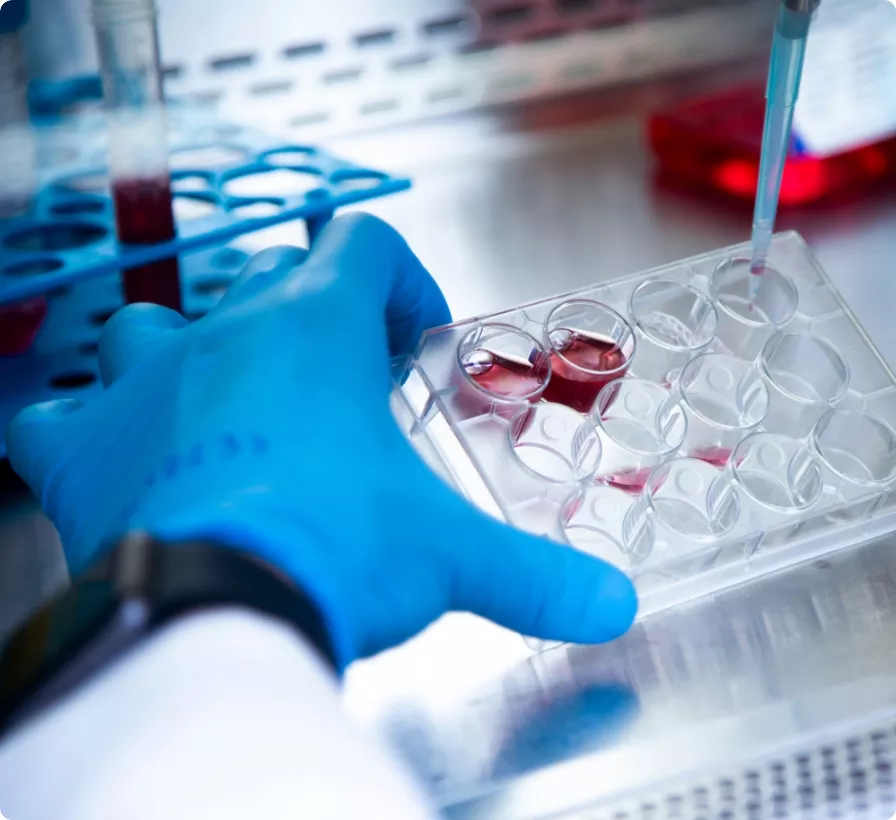
A scientist pipetting a red liquid into a multi-well plate in a laboratory setting.

The Role of Standardized Protocols in AAV Gene Therapy

Generating a robust IND data package for an AAV-based therapeutic depends on the quality of the underlying preclinical data. Inconsistent necropsy procedures or tissue collection introduce variability that can obscure true biological signals, leading to study repeats and program delays. Access to GxP-compliant facilities and experienced veterinary pathologists provides a significant operational advantage for sponsors.

Our >100,000 sq ft facility is designed to support these complex, large-animal studies with the procedural rigor required for regulatory success. Since the Franklin Biolabs brand launched in 2024, programs leveraging our preclinical services have maintained a 100% IND success rate, a direct result of our investment in standardized, high-quality data generation.

GxP-Compliant Necropsy and Tissue Harvest Workflow

A successful NHP necropsy for a gene therapy study involves a systematic, multi-stage workflow. Each step is designed to maximize data output while maintaining strict GxP compliance.

  • Protocol Synchronization: The study director, veterinary pathologist, and technical staff align on the specific tissue collection list, sample hierarchy, and fixation methods defined in the study protocol.

  • Systematic Gross Examination: A board-certified veterinary pathologist performs a full gross examination, documenting all macroscopic findings and correlating them with in-life clinical observations.

  • Standardized Tissue Collection: Tissues are collected in a prescribed order to minimize cross-contamination. Paired samples are often taken: one for fixation and histology, the other flash-frozen for molecular analysis (e.g., qPCR, ddPCR).

  • Data and Sample Integrity: Every sample is meticulously labeled and tracked. All gross findings, tissue weights, and procedural metadata are recorded in a validated data capture system, ensuring a complete and auditable record.

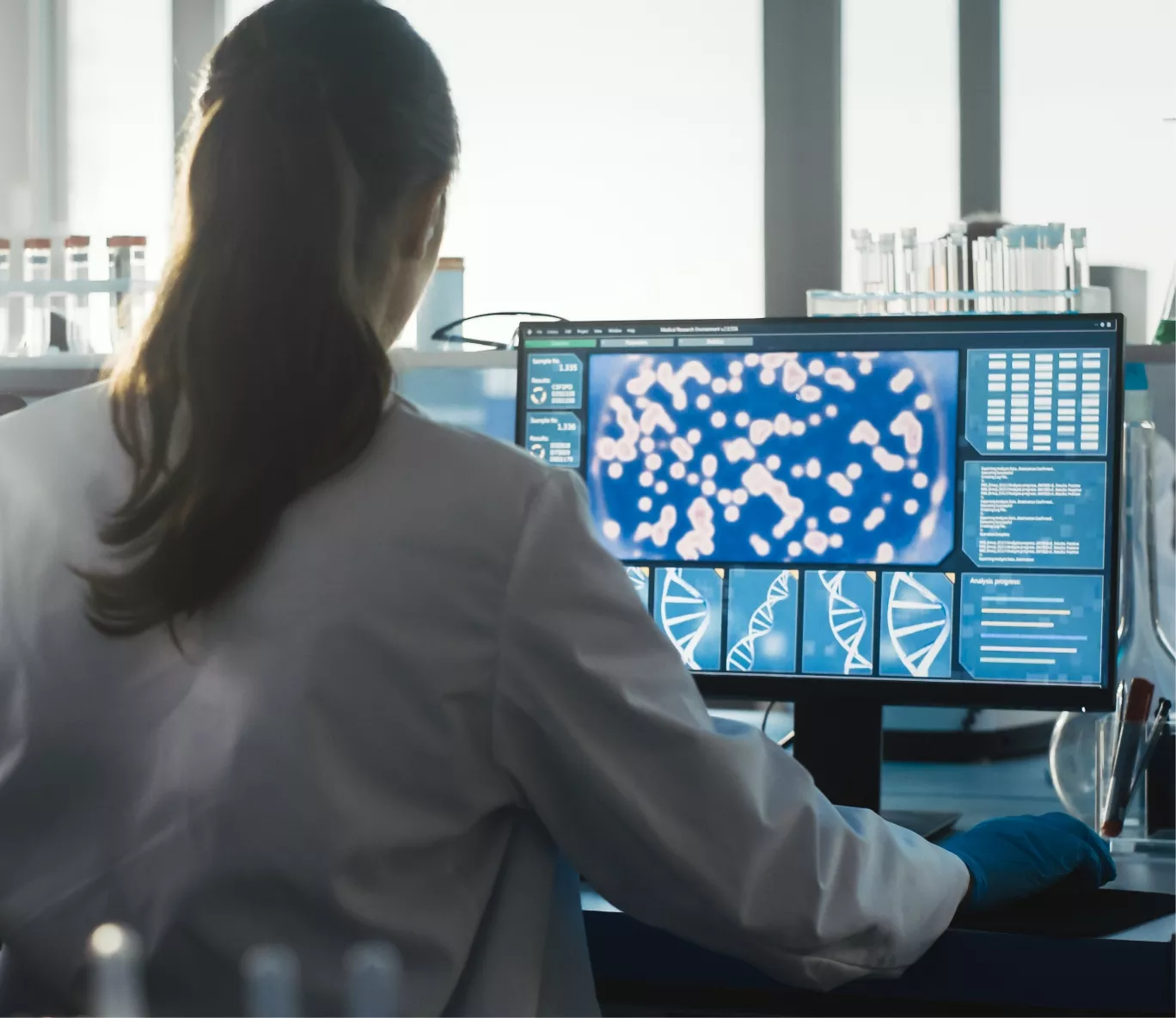
A female scientist in a lab coat analyzes complex biological data, including cellular imagery and DNA models, on a computer screen.

A senior scientist with grey hair is mentoring a diverse group of younger scientists or students in a laboratory setting.

Translating Vector Biology into Pathological Endpoints

The goal of tissue collection is to provide material for downstream assays that define the therapy’s efficacy and safety. As demonstrated in gene therapy research, vector-mediated transgene expression can produce differential effects on tissue architecture and integrity (PMID: 27937051). A comprehensive tissue evaluation is needed to understand the full biological consequences of the intervention, assessing both intended effects in target tissues and any unintended changes in non-target tissues.

This detailed evaluation provides context for interpreting biodistribution data, connecting the molecular measurement of vector DNA to a functional or morphological outcome at the cellular level. This process is key to building a complete safety narrative for regulatory submission.

Animal Welfare and the 3Rs

We adhere to the principles of the 3Rs (Replacement, Reduction, and Refinement). A meticulously planned and executed necropsy is a form of Refinement: it ensures that the maximum amount of high-quality scientific data is obtained from each animal, respecting their contribution to the research program and avoiding the need for additional studies.

Scientific Process Diagram

This content is for informational purposes. For guidance specific to your therapeutic program, please contact our team for a consultation.