GLP Pathology Services for Non-Human Primate (NHP) Gene Therapy Studies in the Bay Area

PROVEN INTELLIGENCE ACCELERATING NEXT-GENERATION THERAPIES

GLP Pathology Services for Non-Human Primate (NHP) Gene Therapy Studies in the Bay Area

GxP-Compliant NHP Pathology for AAV Gene Therapy Programs

CELL & GENE | RNA | BIOLOGICS
Executive Summary: For gene therapy developers, securing IND-enabling pathology data from non-human primate (NHP) studies is a primary determinant of program velocity. Franklin Biolabs provides GxP-compliant, board-certified pathology services specifically designed to evaluate the safety and biodistribution of AAV-based therapeutics. Our >100,000 sq ft facility is equipped for advanced histology, quantitative digital pathology, and specialized molecular assays to support an 18-24 month IND timeline.

    What specific histology techniques are used for AAV vector biodistribution in NHP tissues?

    A: We employ a multi-modal approach including immunohistochemistry (IHC) for transgene protein expression, in situ hybridization (ISH) for vector DNA/RNA localization, and quantitative digital pathology with validated algorithms to provide objective, cell-specific data on vector distribution and activity across all required tissues.

    How do you ensure GxP compliance for NHP pathology data intended for an IND submission?

    A: All studies are conducted within a robust GxP framework, overseen by our independent Quality Assurance unit. This includes validated software systems for data capture and analysis, comprehensive SOPs governing every process from necropsy to reporting, and final review by board-certified veterinary pathologists.

    What is the typical turnaround for a full NHP histology report?

    A: Timelines are study-dependent, but we prioritize efficient data delivery. Preliminary macroscopic and microscopic findings are typically available promptly post-necropsy. A complete, peer-reviewed, and QA-audited GxP final report is generated to support timely program decisions.

    How does Franklin Biolabs quantify transgene expression at the protein level?

    A: Beyond standard IHC, we support the development of customized, quantitative assays. For example, we can leverage advanced mass spectrometry methods to measure absolute protein concentration in target tissues, providing definitive evidence of functional transgene expression, a key technique for programs where expression levels are a primary efficacy endpoint.

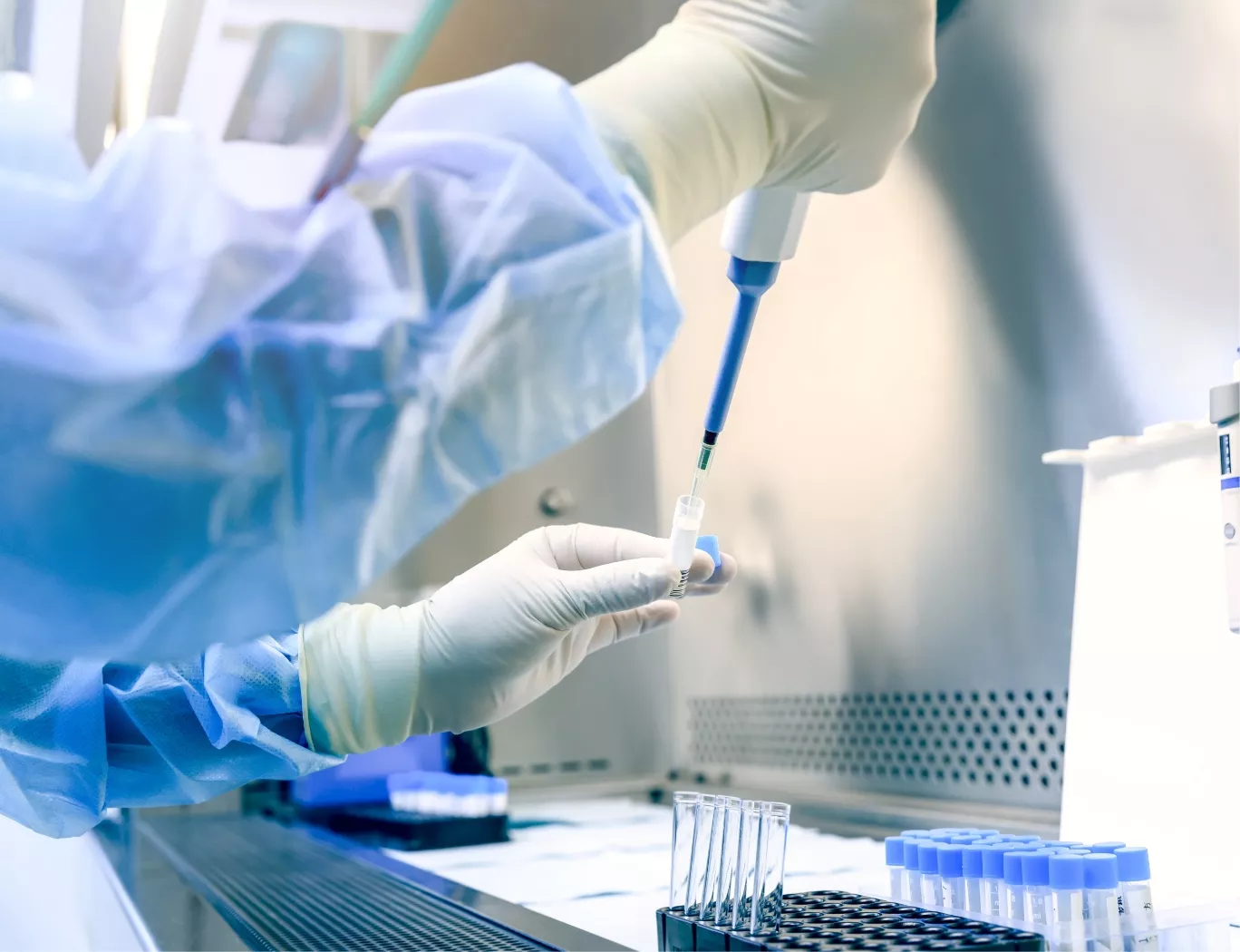
A scientist in protective gear pipetting a sample into a vial within a sterile laboratory hood.

Evaluating AAV Gene Therapies in a Translationally Relevant Model

The anatomical and immunological similarity of non-human primates to humans makes them the definitive model for late-stage preclinical evaluation of AAV gene therapies. A successful IND submission hinges on a comprehensive pathology assessment that accurately characterizes non-target tissue biodistribution, potential inflammatory responses, and confirms on-target transgene expression. This requires specialized skill sets that build upon routine histology.

Our scientific leadership has maintained a 100% IND-enabling success rate since 2019, bringing that expertise to the Franklin Biolabs brand which launched in 2024. We provide the rigorous, GxP-compliant analysis necessary to de-risk clinical translation.

A Framework for IND-Enabling NHP Pathology

Our process is designed for clarity, accuracy, and regulatory alignment. We deliver rapid pathology insights accelerating preclinical readouts by focusing on several core components:

  • Comprehensive Necropsy and Tissue Collection: Performed by highly trained veterinary professionals following strict protocols to ensure tissue integrity for downstream analysis.

  • Advanced Histology and Molecular Assays: We utilize a full suite of techniques, including IHC and ISH, to visualize vector presence and transgene activity at the cellular level.

  • Quantitative Digital Pathology: We replace subjective scoring with objective, algorithm-driven image analysis to precisely quantify biological events and cellular responses.

  • Specialist Pathologist Review: All findings are interpreted by experienced, board-certified veterinary pathologists specializing in gene therapy and NHP models, with a mandatory peer-review process to ensure consensus and accuracy.

Watch the full-length video on ‘Diversifying the Value Chain’

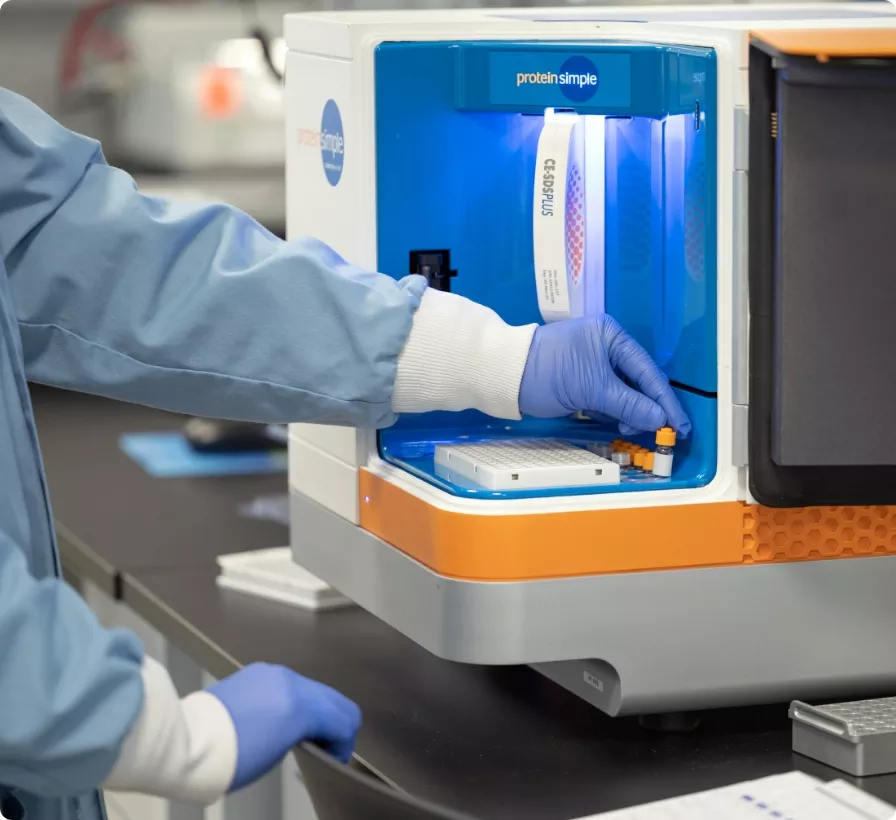
A scientist in a lab coat and gloves loads samples into a ProteinSimple instrument for analysis.

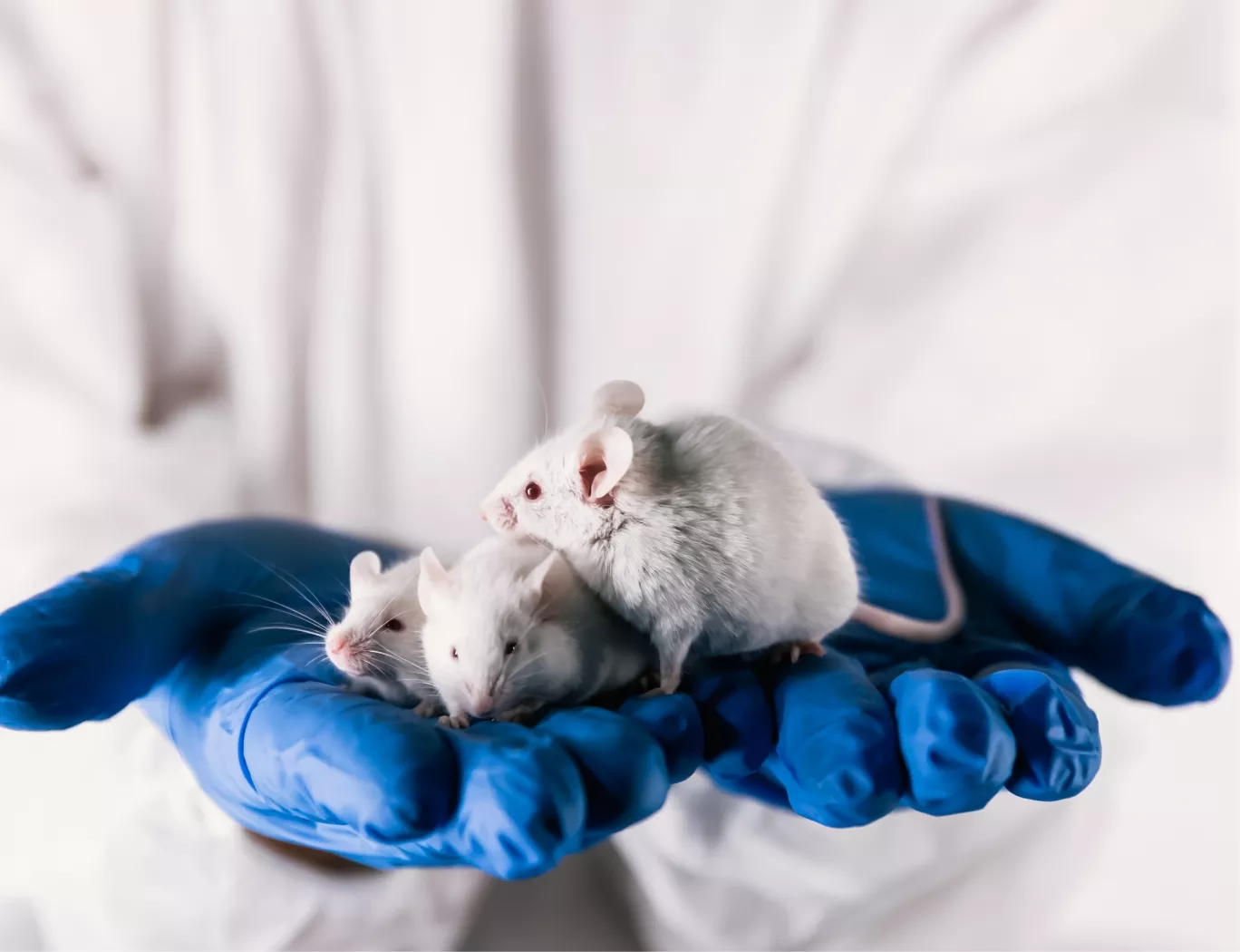
A researcher in a lab coat and blue gloves gently holds three white lab mice, symbolizing animal models in scientific research.

Confirming Functional Protein Expression

Demonstrating transgene expression is a foundational goal of any gene therapy program. While IHC provides spatial information, it often lacks the quantitative precision needed to confirm therapeutic levels of protein production. As highlighted in recent research (PMID: 37891254), developing species-specific mass spectrometry methods can definitively quantify protein expression in target tissues like the heart following AAV delivery. This approach provides robust, non-linear data that confirms the vector is present and actively producing the intended protein at a functional level, a key consideration for regulators.

Animal Welfare and Regulatory Compliance

We strictly adhere to the principles of the 3Rs (Replacement, Reduction, and Refinement) in all study designs. In collaboration with our strategic partners, studies are conducted at facilities that are AAALAC-accredited and registered with the USDA, ensuring the highest standards of ethical and humane animal care.

Scientific Process Diagram

This content is for informational purposes. For guidance specific to your therapeutic program, please contact our team for a consultation.