In Vivo Potency Testing of AAVrh10 Vectors for CNS Disorders via Intrathecal Administration in Cynomolgus Macaques

PROVEN INTELLIGENCE ACCELERATING NEXT-GENERATION THERAPIES

In Vivo Potency Testing of AAVrh10 Vectors for CNS Disorders via Intrathecal Administration in Cynomolgus Macaques

In Vivo Potency of AAVrh10 for CNS Disorders via Intrathecal Administration

CELL & GENE | RNA | BIOLOGICS

Why is the AAVrh10 serotype preferred for intrathecal CNS delivery?
AAVrh10, a serotype isolated from the rhesus macaque, exhibits a robust and widespread transduction profile within the central nervous system, including deep brain structures and the spinal cord, following intrathecal administration. Its tropism is well-suited for targeting neurons and glial cells, and its extensive characterization in NHP models makes it a primary candidate for gene therapies addressing a range of neurological disorders.
What are the primary technical challenges of intrathecal administration in cynomolgus macaques?
The primary challenges involve ensuring precise and consistent delivery to the cerebrospinal fluid (CSF) while minimizing procedural risk. Key variables include the exact anatomical site of injection (e.g., lumbar vs. intracisternal), injection volume, rate of infusion, and animal positioning. Each factor can significantly influence vector biodistribution, transduction efficiency, and potential for adverse findings, requiring highly specialized technical execution and study design.
How is in vivo potency quantified beyond vector biodistribution?
In vivo potency is a multi-faceted assessment. Beyond quantifying vector DNA levels in target and non-target tissues, we evaluate transgene expression at the mRNA and protein levels via RT-qPCR, western blot, or histology (IHC/ISH). For certain programs, functional readouts are incorporated, such as measuring the activity of a delivered enzyme or observing changes in relevant biomarkers within the CSF or tissue.
What defines a successful NHP study for an IND submission?
A successful study generates a clear, interpretable dataset that characterizes the dose-response relationship, biodistribution, and safety profile of the AAVrh10 vector. The data must be sufficient to establish a proposed starting dose for human trials with a robust safety margin. This is achieved through a GxP-compliant study design, consistent execution, and comprehensive analysis, contributing to an overall IND-enabling package that can achieve regulatory clearance in an 18-24 month timeline.

Evaluating the in vivo potency of an AAVrh10 vector for a CNS disorder requires a study design that accurately predicts clinical performance. Intrathecal administration in the cynomolgus macaque model provides the most translationally relevant data for de-risking human trials. This page outlines the technical considerations for designing and executing these studies, focusing on administration route optimization, key analytical readouts for potency, and the integration of robust biodistribution and histology endpoints to build a comprehensive IND-enabling data package.

Defining Translational Success for CNS Gene Therapy

The efficacy of an AAV-based gene therapy for a CNS indication is directly dependent on achieving sufficient transgene expression in the correct anatomical regions. For AAVrh10, intrathecal administration is a primary route for bypassing the blood-brain barrier. However, preclinical data shows that minor variations in administration protocol can yield significant differences in safety and efficacy outcomes.

As demonstrated in large animal studies, the specific route of intrathecal delivery and procedural nuances are primary determinants of clinical viability (PMID: 28806897). This work highlights that assumptions about vector distribution based on smaller models do not always hold, reinforcing the need for definitive potency and biodistribution studies in non-human primates (NHPs) to properly inform clinical strategy.

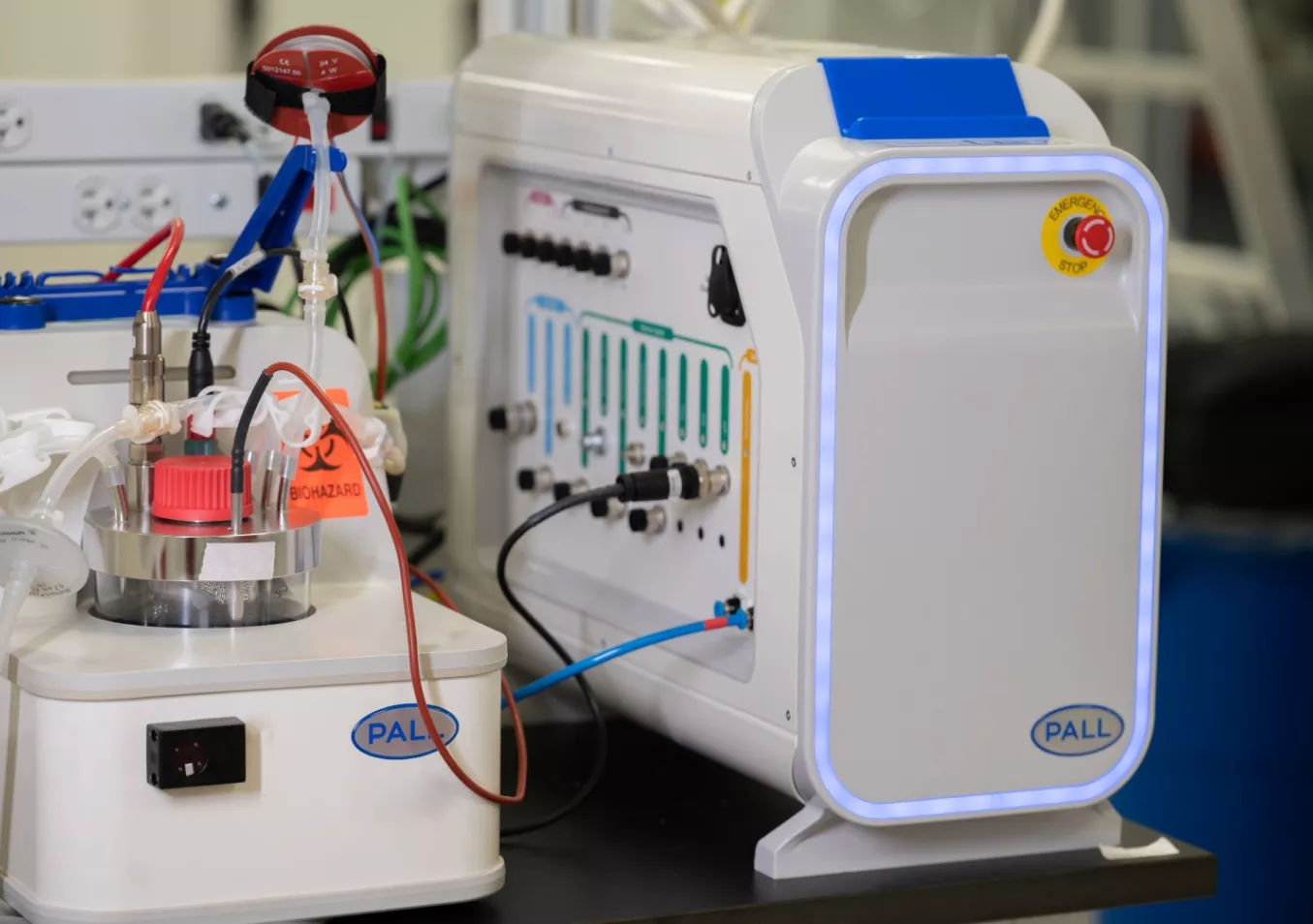
A close-up shot of a modern bioreactor system and control unit from Pall Corporation in a clean laboratory environment.

A stylized 3D rendering of a DNA double helix, composed of light-colored spheres on a translucent blue backbone, set against a soft-focus, light blue background.

NHP Study Design for AAVrh10 Potency

A well-designed in vivo potency study in cynomolgus macaques provides a high-resolution view of a vector’s biological activity. Our approach at our >100,000 sq ft facility focuses on generating decision-making data.

Key study components include:

  • Dose-Level Selection: Establishing multiple dose groups to characterize the dose-response curve for both efficacy and safety.

  • Administration Protocol: Standardizing the intrathecal injection procedure, including volume, rate, and anatomical landmarking, to ensure reproducibility.

  • In-Life Monitoring: Longitudinal collection of cerebrospinal fluid (CSF) for biomarker and vector shedding analysis.

  • Terminal Endpoints: Comprehensive tissue collection for quantifying vector biodistribution (qPCR), transgene expression (RT-qPCR, IHC), and conducting detailed histology assessments.

This methodology provides the High-Fidelity In Vivo Intelligence for Complex Modalities required to move forward with confidence.

“We started collaborating with UPenn Vector core in 2023 and the AAV vector which they manufactured laid a foundation for development of a gene therapy candidate which will enter soon preclinical studies. The key people from UPenn Vector Core joined Franklin Biolabs and our partnership transitioned without interruption from UPenn Vecor Core to Franklin Biolabs Research Vector Division. Franklin Biolabs is our trusted partner in our AAV-vector based gene therapy candidate development and we hope to continue the partnership for years to come.”
— Biotech Partner

Commitment to Animal Welfare

*

Scientific Process Diagram

This content is for informational purposes. For guidance specific to your therapeutic program, please contact our team for a consultation.