Pharmacokinetic assessment of therapeutic exosomes in neurodegenerative disease models
PROVEN INTELLIGENCE ACCELERATING NEXT-GENERATION THERAPIES
Pharmacokinetic assessment of therapeutic exosomes in neurodegenerative disease models
CELL & GENE | RNA | BIOLOGICS
Characterizing the pharmacokinetic (PK) profile of therapeutic exosomes is fundamental to de-risking their development for neurodegenerative diseases. A robust understanding of their absorption, distribution, metabolism, and excretion (ADME) properties, particularly concerning blood-brain barrier (BBB) penetration and central nervous system (CNS) biodistribution, directly informs dose selection and predicts clinical safety. This page outlines the technical methodologies for assessing exosome PK, leveraging insights from established delivery platforms to accelerate IND-enabling studies.

Frequently Asked Questions: Exosome PK
How do you differentiate between endogenous and therapeutic exosome populations in PK samples?
We employ validated labeling strategies to distinguish the administered therapeutic exosomes from the subject’s endogenous vesicles. This typically involves either covalent attachment of fluorescent dyes (e.g., DiR, DiO) for in vivo imaging and flow cytometry, or the use of genetic reporters expressed by the exosome-producing parent cells. The choice of label is optimized to ensure it does not alter the exosome’s native surface properties or PK behavior.
What are the primary challenges in quantifying exosome concentration in CNS-related matrices?
Quantification in cerebrospinal fluid (CSF) and brain tissue homogenate presents distinct analytical challenges. These include extremely low therapeutic concentrations, high background from endogenous vesicles, and complex sample matrix effects that can interfere with assays. We deploy highly sensitive, GxP-compliant bioanalytical platforms, such as Single Molecule Array (Simoa) or optimized mass spectrometry methods, to achieve the required limits of detection and quantification.
How does the exosome manufacturing process impact the resulting PK profile?
The manufacturing and purification process is a significant variable. The source cell type, culture conditions, purification method (e.g., ultracentrifugation vs. size exclusion chromatography), and cargo loading strategy all directly influence the final product’s stability, surface protein composition, targeting avidity, and clearance rate. We recommend parallel PK assessments of material from different manufacturing lots to establish product consistency as part of the CMC package.
Defining CNS Exposure for Exosome Therapeutics
The therapeutic promise of exosomes for neurodegenerative disorders hinges on their ability to transport biological cargo across the BBB and engage targets within the CNS. Validating this requires a PK study design that goes beyond simple plasma concentration curves. The objective is to build a comprehensive biodistribution model that accurately quantifies exposure in the target tissue relative to peripheral compartments.
Key parameters for these studies include:
-
BBB Penetration Efficiency: Calculating the ratio of exosome concentration in brain parenchyma or CSF to that in systemic circulation.
-
Cell-Specific Uptake: Utilizing advanced histology techniques to determine which CNS cell types (e.g., neurons, microglia, astrocytes) internalize the therapeutic exosomes.
-
Clearance Mechanisms: Investigating the routes and rates of elimination from both the CNS and peripheral circulation.
Translational Insights from Advanced Delivery Platforms
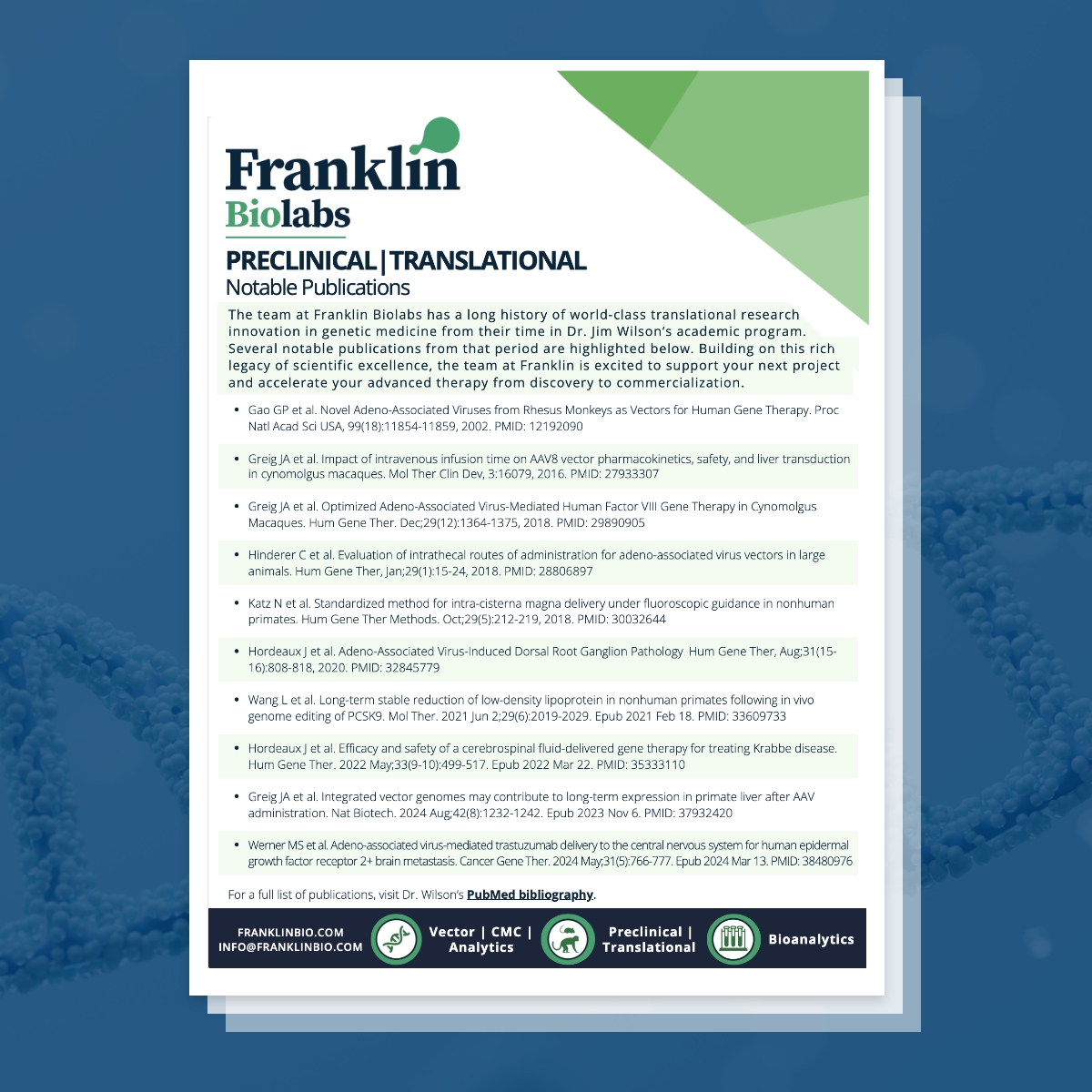
While exosomes represent a distinct modality, the strategic principles for their preclinical development can be informed by work on other complex biologic delivery systems. For instance, studies on mutation-independent LNP-mRNA platforms (PMID: 39001827) underscore the value of a delivery vehicle that can be adapted for various payloads, a core strength of engineered exosomes. This versatility demands rigorous characterization of the carrier itself.
Similarly, extensive safety and efficacy profiling of AAV-based gene therapies (PMID: 35333110) has established a clear regulatory precedent. The data demonstrate that a deep understanding of vector biodistribution and a favorable safety profile are prerequisites for clinical translation. Applying this same level of scrutiny to exosome non-target tissue biodistribution is necessary for building a successful IND package.

Optimizing Development with Efficient Processes
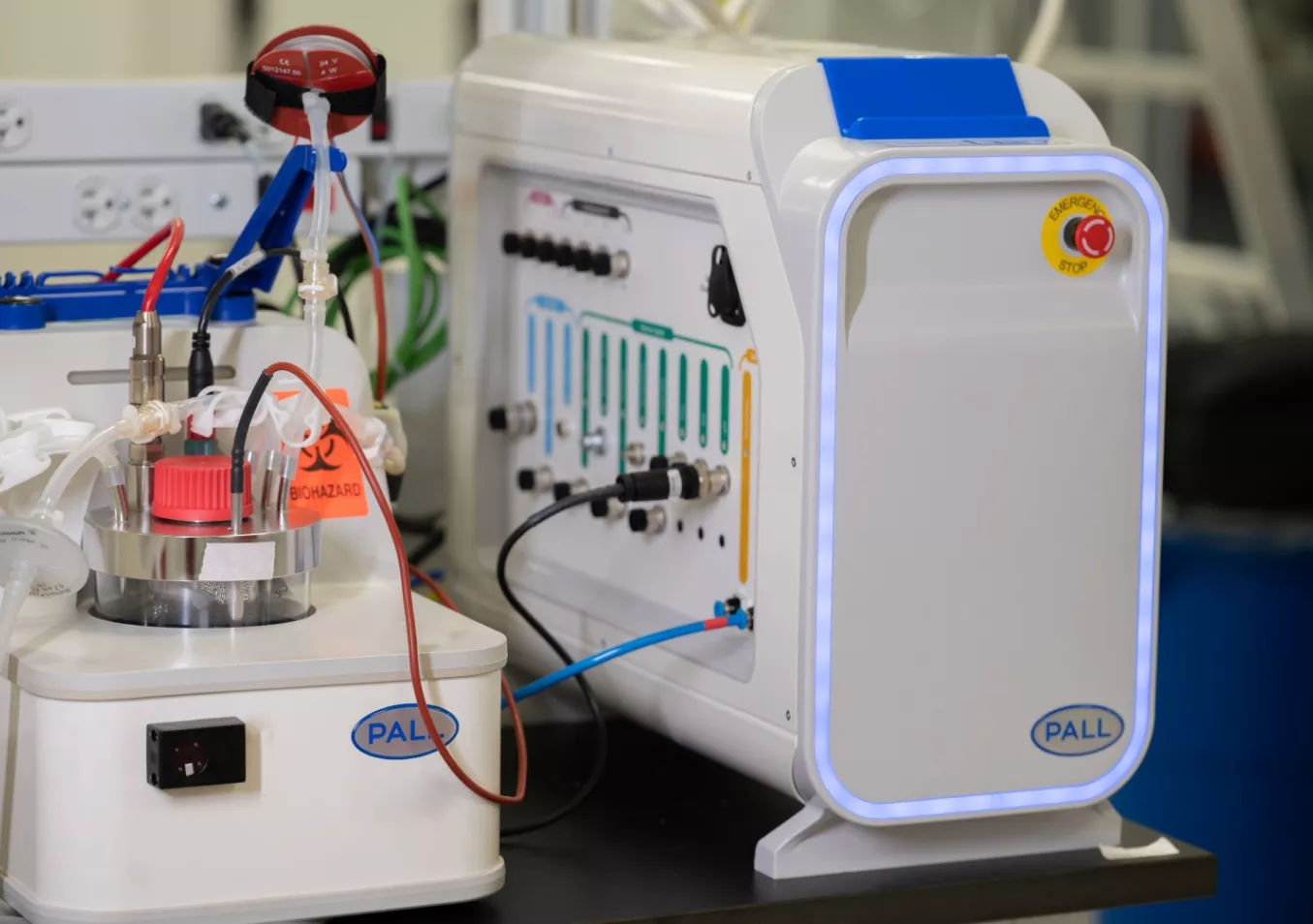
Process optimization and manufacturing efficiency can significantly reduce preclinical development timelines and costs. This strategic approach allows for more rapid iteration and data generation, accelerating the path to IND.
Integrated Bioanalysis and Modeling for IND Submission
Franklin Biolabs provides comprehensive PK services within our >100,000 sq ft GxP-compliant facility. Our approach integrates in vivo study execution with robust bioanalytical support to deliver a complete data package ready for regulatory review. This integrated workflow is designed to support an 18-24 month IND timeline. Since the Franklin Biolabs brand launch in 2024, programs managed by our core scientific leadership have maintained a 100% IND approval success rate since 2019.
| Service Component | Description | Regulatory Impact |
|---|---|---|
| Study Design | Protocol development tailored to exosome biology and CNS targets. | Aligns nonclinical plan with FDA guidance. |
| In Vivo Execution | Dosing and sample collection in relevant disease models. | Provides exposure data in a disease context. |
| Bioanalysis | GxP-compliant quantification in plasma, CSF, and tissue. | Ensures data integrity for IND submission. |
| PK Modeling | Non-compartmental analysis (NCA) and tissue distribution modeling. | Defines key parameters (Cmax, AUC, T1/2) for dose selection. |
Commitment to Animal Welfare
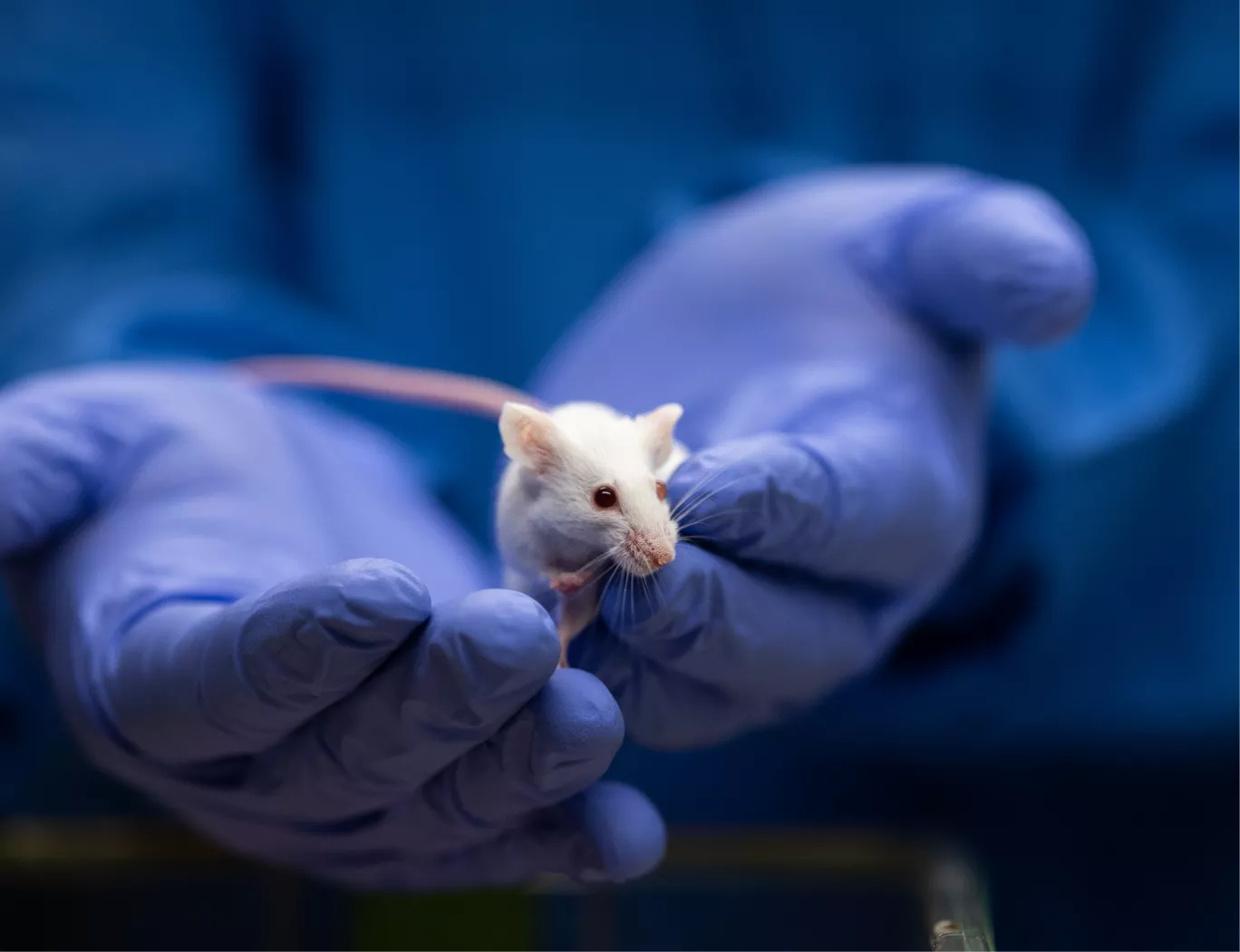
All in vivo studies are conducted in strict accordance with our Animal Welfare Committee and protocols approved by AAALAC and the USDA. We are committed to the principles of the 3Rs (Replacement, Reduction, and Refinement) to ensure the most ethical and scientifically valid data generation.

This content is for informational purposes. For guidance specific to your therapeutic program, please contact our team for a consultation.