Pharmacokinetic profiling of next-generation CAR-NK cell therapies

PROVEN INTELLIGENCE ACCELERATING NEXT-GENERATION THERAPIES

Pharmacokinetic profiling of next-generation CAR-NK cell therapies

Pharmacokinetic Profiling of CAR-NK Cell Therapies

CELL & GENE | RNA | BIOLOGICS
Executive Summary

The pharmacokinetic (PK) profile of a Chimeric Antigen Receptor Natural Killer (CAR-NK) cell therapy is defined by its in vivo cellular dynamics: expansion, contraction, persistence, and biodistribution. As these are “living drugs,” a multi-assay bioanalytical strategy is required to accurately characterize their activity and safety profile. A comprehensive PK assessment using qPCR, flow cytometry, and bioluminescence imaging supports the selection of a safe and effective clinical dose, de-risks development, and builds a robust regulatory submission.

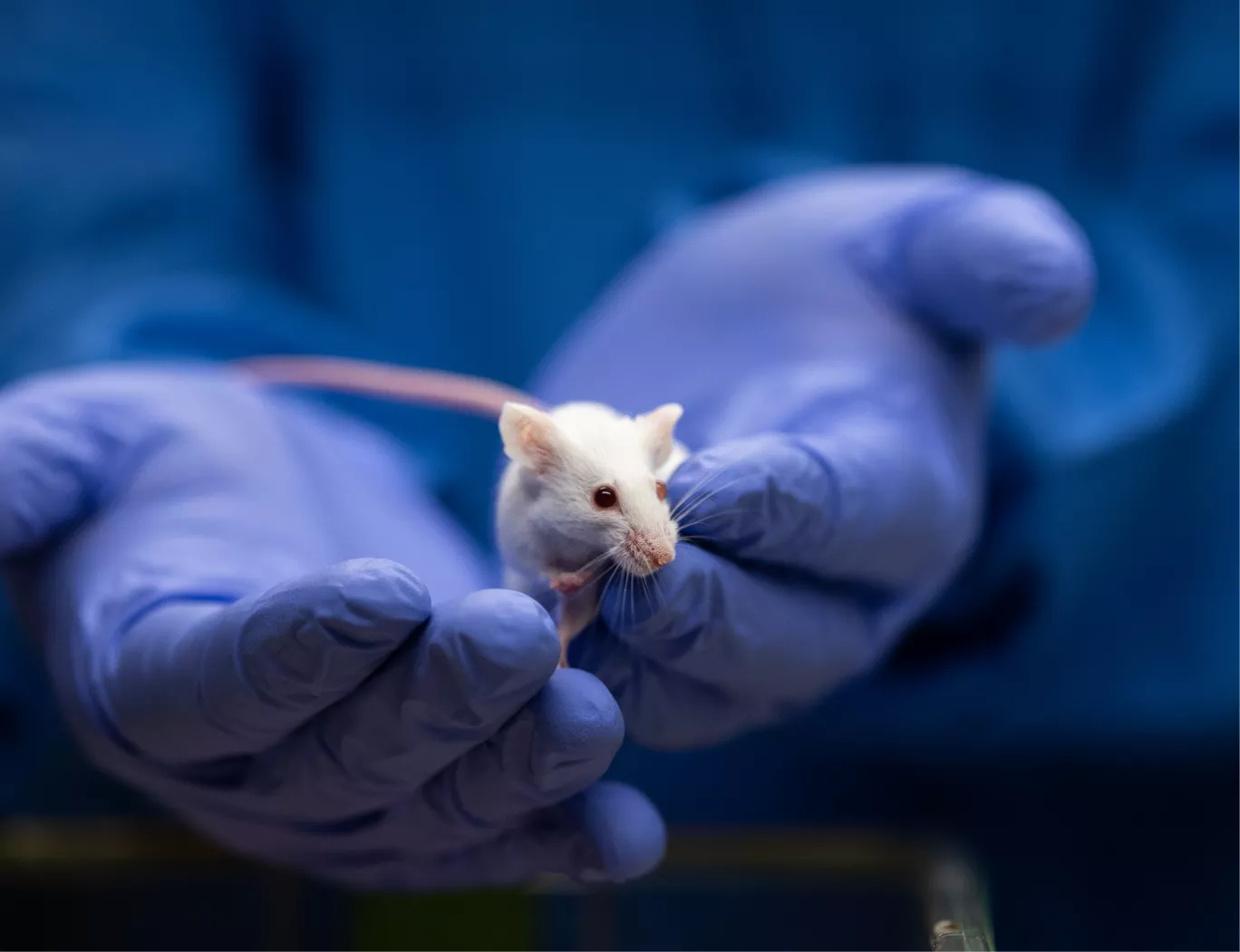
A close-up of a scientist in blue gloves gently holding a small, white laboratory mouse, likely in a research setting.

Technical FAQ: CAR-NK Pharmacokinetics

    What are the key parameters in a CAR-NK PK study?

    The primary parameters are cellular expansion (the peak number of cells reached), contraction (the subsequent decline), long-term persistence (the presence of cells weeks or months after administration), and biodistribution (the location of cells in blood, target tissues, and non-target tissues).

    How is CAR-NK persistence measured?

    Persistence is typically quantified using a combination of methods. Quantitative PCR (qPCR) or droplet digital PCR (ddPCR) measures the vector copy number in blood and tissues, providing a highly sensitive measure of cell quantity. Flow cytometry identifies and quantifies circulating CAR-NK cells by their unique surface markers.

    What is the typical duration of a CAR-NK PK study?

    Study duration is tailored to the specific therapeutic construct and its expected persistence. Studies are designed to capture the full kinetic profile, including the expansion, contraction, and long-term persistence phases.

    How does CAR-NK PK differ from CAR-T PK?

    CAR-NK cells generally exhibit a shorter persistence profile compared to CAR-T cells, which can be advantageous for safety by reducing the risk of long-term toxicities. This characteristic also makes them highly suitable for allogeneic, “off-the-shelf” therapeutic models.

Defining the In Vivo Lifecycle of Cellular Therapies

CAR-NK therapies function as dynamic biological agents. Their pharmacokinetic profile represents a complex interplay of cellular population dynamics that directly dictates efficacy and safety. A thorough characterization of this lifecycle is a component of a successful IND-enabling program.

The key phases include:

  • Initial Distribution: The trafficking of cells immediately following administration.

  • Expansion: The proliferation of CAR-NK cells, typically in response to target antigen engagement, leading to a peak cell count.

  • Contraction: A natural decline in the cell population after the initial expansion phase.

  • Persistence: The long-term survival of a small population of CAR-NK cells, which can contribute to durable responses.

Integrated Bioanalytical Strategies for Cellular PK

A single assay is insufficient to capture the complete PK profile of a CAR-NK therapeutic. We deploy a matrix of validated bioanalytical methods to build a comprehensive dataset for regulatory review. Our >100,000 sq ft GxP-compliant facility is equipped to run these parallel assessments, providing a holistic view of in vivo behavior.

Assay Method Primary Measurement Strategic Value
qPCR / ddPCR Vector copy number in blood & tissues High-sensitivity quantification of cell numbers
Multi-Color Flow Cytometry Cell phenotype, activation markers, & count Confirms cell identity & functional status in circulation
Bioluminescence Imaging Whole-body cell trafficking & tumor homing Provides longitudinal, spatial biodistribution data
Histology & IHC Tissue-level cell localization & infiltration Confirms presence in target & non-target organs

A stylized rendering of a DNA double helix on the left side of a light blue gradient background.

The Importance of High-Resolution Biodistribution Data

Understanding the non-target tissue biodistribution of a CAR-NK therapy is a primary safety objective. The development of advanced assays to map in vivo therapeutic behavior is a consistent theme in advanced therapy development. For instance, the creation of high-resolution sequencing methods to identify genome-wide DNA editing sites following vector administration (PMID: 32183699) underscores a core principle of advanced therapy development. IND-enabling programs are built upon sensitive, specific, and comprehensive methods to characterize the full in vivo footprint of a therapeutic. Applying this same principle, we use an integrated suite of bioanalytical tools to construct a detailed map of CAR-NK biodistribution, identifying potential safety liabilities long before clinical evaluation.

Optimizing Development Timelines

Generating robust and reliable PK data early in development is key to making informed decisions that accelerate program timelines. Well-characterized PK and biodistribution profiles enable confident dose selection for toxicology studies and first-in-human trials. This focus on foundational data is a core component of our approach for accelerated PK profiling to enable rapid dose optimization. By integrating these complex bioanalytical workflows, we help sponsors move from candidate selection to regulatory filing efficiently, supporting a typical 18-24 month IND timeline.

A close-up, blue-toned image of scientific glassware, featuring vials placed in a dish filled with clear, spherical beads, suggesting a laboratory or research setting.

Animal Welfare and Regulatory Compliance

All in vivo studies are designed to meet or exceed regulatory requirements for safety assessment. Through our strategic partners, including Bioculture Group which holds full AAALAC International accreditation, all programs are conducted in compliance with USDA regulations. Every study is performed under rigorous GxP standards to ensure data integrity for global regulatory submissions.

Scientific Process Diagram

This content is for informational purposes. For guidance specific to your therapeutic program, please contact our team for a consultation.