PK/PD relationship modeling for gene therapies targeting rare genetic disorders

PROVEN INTELLIGENCE ACCELERATING NEXT-GENERATION THERAPIES

PK/PD relationship modeling for gene therapies targeting rare genetic disorders

Pharmacokinetic and Pharmacodynamic (PK/PD) Relationship Modeling for Gene Therapies

CELL & GENE | RNA | BIOLOGICS
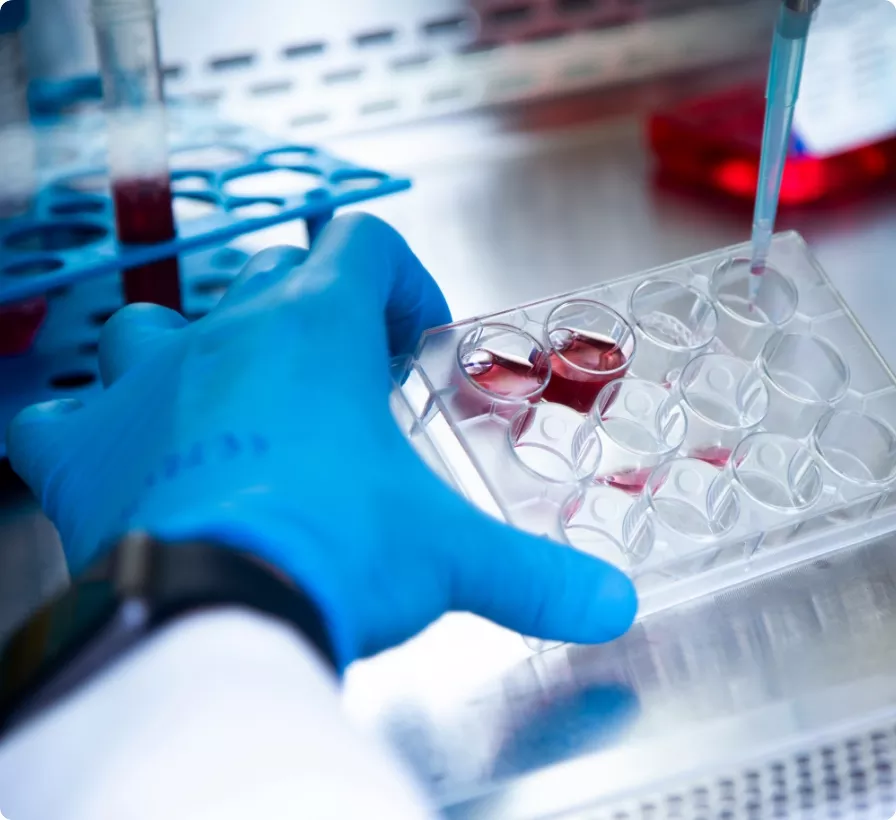
A scientist pipetting a red liquid into a multi-well plate in a laboratory setting.

Executive Summary

Defining the pharmacokinetic (PK) and pharmacodynamic (PD) relationship for gene therapies targeting rare genetic disorders requires a departure from conventional analytical frameworks. The objective is to characterize the long-term, stable expression of a therapeutic transgene following a single administration. This involves quantifying vector biodistribution, measuring durable protein expression in target tissues, and building predictive models that correlate these exposure metrics with therapeutic activity. A robust preclinical data package is foundational for successful clinical translation and regulatory submission.

Frequently Asked Questions (FAQ)

    What are the primary analytical methods for quantifying transgene expression in PK studies?

    A: We utilize a multi-platform approach including qPCR and ddPCR for vector DNA/RNA quantification and ligand-binding assays (e.g., ELISA, MSD) or functional assays for therapeutic protein quantification in relevant biological matrices.

    How is the PK/PD relationship for a one-time gene therapy administration modeled over a long-term duration?

    A: Modeling focuses on the correlation between initial vector dose, tissue-specific transgene expression levels over time, and the resulting sustained pharmacodynamic effect. This establishes a profile of therapeutic durability rather than a classic clearance curve.

    Which biological matrices are most relevant for AAV gene therapy PK analysis?

    A: Analysis typically involves blood, plasma, or serum for systemic exposure and key target tissues (e.g., liver, muscle, CNS) for assessing vector delivery and localized transgene expression. Histology is used to confirm tissue-level changes.

    How does non-target tissue biodistribution data integrate with PK/PD modeling?

    A: Quantifying vector presence in non-target tissues is a key safety input. This data informs the therapeutic index and is integrated into the overall exposure model to ensure the safety profile is well-understood alongside the efficacy profile.

Characterizing Therapeutic Durability in Gene Therapy

For adeno-associated virus (AAV) vectors and other gene delivery platforms, the therapeutic effect is driven by sustained in vivo production of a functional protein. The core challenge is to accurately model the relationship between the initial vector dose, the resulting concentration of the therapeutic protein over months or years, and the desired biological response. This requires long-term in vivo studies that go beyond simple clearance metrics to establish a profile of durable expression.

Scientific literature demonstrates that in vivo gene targeting can achieve stable, long-term protein expression. The strategic insight from studies such as PMID: 30975639 is that a single administration can lead to a sustained therapeutic effect, confirming the viability of this approach for correcting genetic deficiencies. Our programs are designed to generate the data that substantiates this durability for regulatory review.

A female scientist in a lab coat analyzes complex biological data, including cellular imagery and DNA models, on a computer screen.

A senior scientist with grey hair is mentoring a diverse group of younger scientists or students in a laboratory setting.

The Infrastructure for Complex Biological Analysis

Executing these long-duration studies requires significant infrastructure and specialized analytical capabilities. Franklin Biolabs operates a >100,000 sq ft GxP-compliant facility designed specifically for these complex programs.

  • This video outlines the evolution of the preclinical supply chain and the infrastructure required to support next-generation therapeutics.*

From Preclinical Model to IND Submission

The ultimate goal of this work is to build a comprehensive, IND-enabling data package. By integrating vector biodistribution, transgene expression, and pharmacodynamic readouts, we develop robust models that inform first-in-human dose selection. This modeling approach de-risks clinical development and helps define the therapeutic window.

Our translational services are designed to support an 18-24 month IND timeline. Since the Franklin Biolabs brand launch in 2024, programs managed by our scientific leadership have maintained a 100% IND success rate, a record established in 2019. This is supported by our commitment to the highest standards of animal welfare, as accredited by AAALAC, which includes adherence to the 3Rs (Replacement, Reduction, and Refinement).

Scientific Process Diagram

This content is for informational purposes. For guidance specific to your therapeutic program, please contact our team for a consultation.