Preclinical pharmacokinetics of CRISPR-Cas9 gene editing systems delivered via lentiviral vectors

PROVEN INTELLIGENCE ACCELERATING NEXT-GENERATION THERAPIES

Preclinical pharmacokinetics of CRISPR-Cas9 gene editing systems delivered via lentiviral vectors

Pharmacokinetic Profiling of Lentiviral-Delivered CRISPR-Cas9 Systems

CELL & GENE | RNA | BIOLOGICS


What are the key PK parameters for lentiviral CRISPR systems?

The primary parameters diverge from traditional biologics. They include vector clearance from circulation, the rate and extent of genomic integration measured by Vector Copy Number (VCN) in target and non-target tissues, the subsequent expression profile (onset, Cmax, duration) of the Cas9 protein, and the stability of the guide RNA.

How does lentiviral delivery impact the PK profile compared to non-integrating systems?

Lentiviral vectors are designed for stable genomic integration, leading to a durable, long-term expression profile of the Cas9 nuclease. This contrasts sharply with non-viral, non-integrating systems like Lipid Nanoparticles (LNPs), which result in transient expression. The PK/PD relationship for lentiviral systems is defined by this persistent activity, requiring long-term monitoring.

What bioanalytical methods quantify lentiviral vectors and Cas9 expression in vivo?

A multi-assay approach is required. Quantitative PCR (qPCR) or droplet digital PCR (dPCR) is used to determine VCN in collected tissues. Ligand-binding assays such as ELISA, or mass spectrometry-based methods, are employed to quantify Cas9 protein concentration in both tissues and plasma.

Why is quantifying non-target tissue biodistribution a primary safety endpoint for these systems?

Because lentiviral integration can be permanent, understanding the complete biodistribution profile is a core safety consideration. Quantifying vector integration in non-target tissues is necessary to evaluate the risk of unintended editing, insertional mutagenesis, and long-term Cas9 expression in off-target cell populations.


Defining the pharmacokinetic (PK) and pharmacodynamic (PD) relationship for CRISPR-Cas9 systems delivered by lentiviral vectors is a distinct scientific challenge. Unlike transient delivery modalities, the integrating nature of lentivirus results in persistent expression of the gene editing machinery, demanding specialized bioanalytical strategies and long-term observation. Franklin Biolabs executes robust preclinical PK studies that characterize vector biodistribution, genomic integration, and the resulting duration of Cas9 expression, providing the pivotal safety and activity data required to support an 18-24 month IND timeline.

A stylized 3D rendering of a DNA double helix, composed of light-colored spheres on a translucent blue backbone, set against a soft-focus, light blue background.

Characterizing Persistent Expression Dynamics

The defining characteristic of a lentiviral vector delivery system is its capacity for stable integration into the host cell genome. This mechanism ensures long-term, and potentially permanent, expression of the CRISPR-Cas9 payload. Consequently, the therapeutic and safety profile is intrinsically linked to the anatomical distribution of the vector and the temporal kinetics of Cas9 protein expression post-integration.

An effective preclinical program must precisely map this activity. Key objectives include:

  • Quantifying the initial distribution and clearance of viral particles.

  • Determining the efficiency of genomic integration in the target cell population.

  • Modeling the onset, peak, and duration of Cas9 protein expression over the lifetime of the study.

Bioanalytical Strategy for Integrated Payloads

A successful PK assessment for these therapies depends on a matrix of validated bioanalytical assays. While transient, non-viral delivery systems such as the BEND lipids described in recent literature (PMID: 39856035) focus on overcoming endosomal escape for a temporary effect, lentiviral systems require assays that measure permanent genomic changes and their downstream consequences. Our GxP-compliant laboratories, part of a >100,000 sq ft facility, are equipped to handle this complexity.

“Wonderful services. Excellent team to work with. Vast knowledge in all aspects of vector production and analytics.”
— Biotech Partner

Our analytical platforms provide a comprehensive view of in vivo activity:

  • Vector Biodistribution & Integration: Using dPCR to provide absolute quantification of Vector Copy Number (VCN) per cell across a full panel of tissues.

  • Cas9 Protein Expression: Employing high-sensitivity immunoassays or mass spectrometry to measure Cas9 protein levels in plasma and tissue lysates over time.

  • Guide RNA Levels: Assessing gRNA concentration and stability to correlate with editing activity.

  • Pharmacodynamic Readouts: Measuring on-target editing efficiency (e.g., via NGS) to link PK profiles directly to functional outcomes.

This comprehensive data package enables accelerated PK profiling for rapid dose optimization, directly informing candidate selection and clinical trial design.

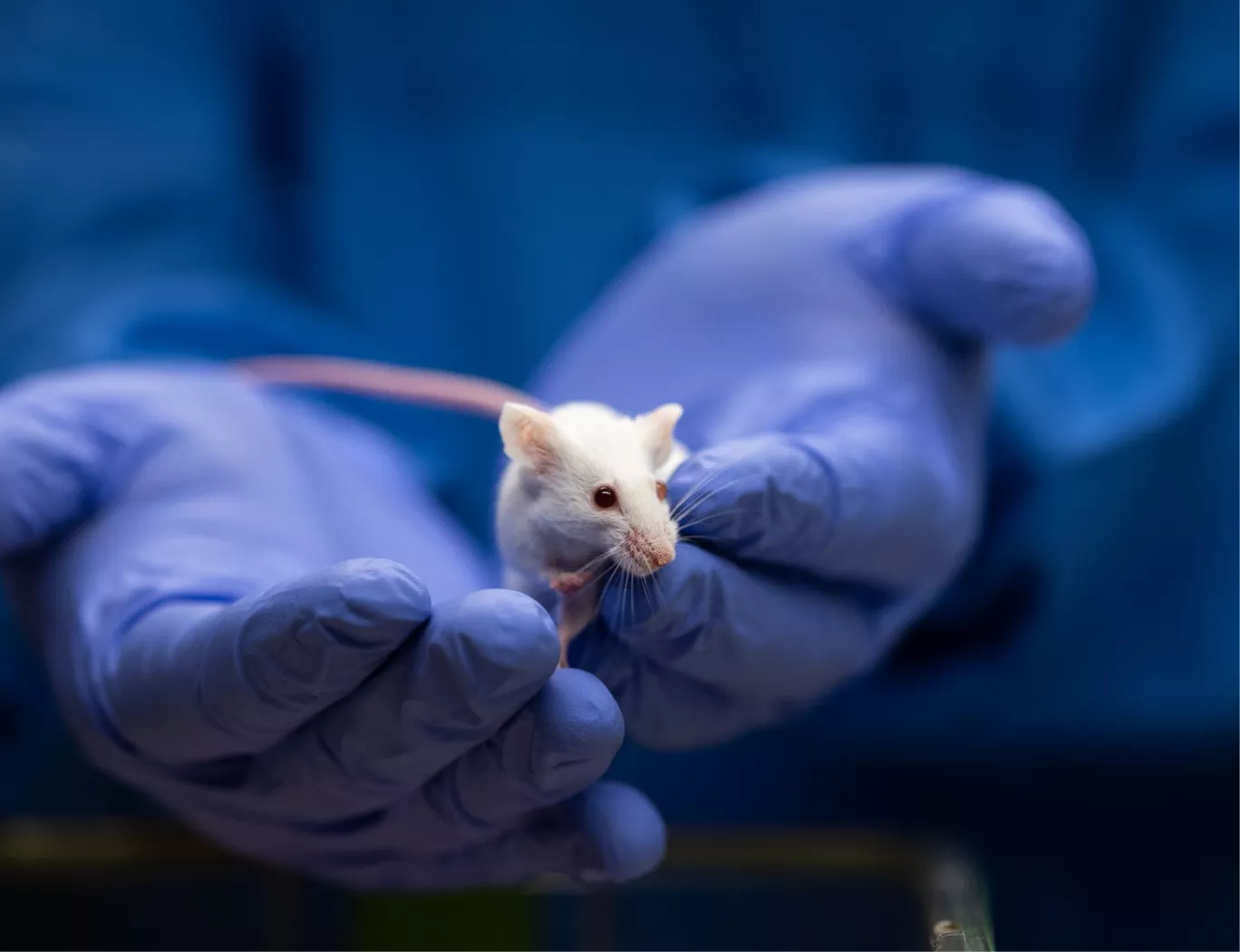
A close-up of a scientist in blue gloves gently holding a small, white laboratory mouse, likely in a research setting.

Animal Welfare and Regulatory Compliance

Our programs are conducted through our network of partners, including facilities such as Bioculture Group that hold full AAALAC accreditation. These studies adhere to the 3Rs (Reduction, Refinement, and Replacement) and operate in accordance with the Animal Welfare Act, ensuring the highest ethical standards are maintained.

Scientific Process Diagram

This content is for informational purposes. For guidance specific to your therapeutic program, please contact our team for a consultation.