
Securing Preclinical NHP Programs with Mauritian Origin Cynomolgus Macaques

PROVEN INTELLIGENCE ACCELERATING NEXT-GENERATION THERAPIES

Securing Preclinical NHP Programs with Mauritian Origin Cynomolgus Macaques

CELL & GENE | RNA | BIOLOGICS
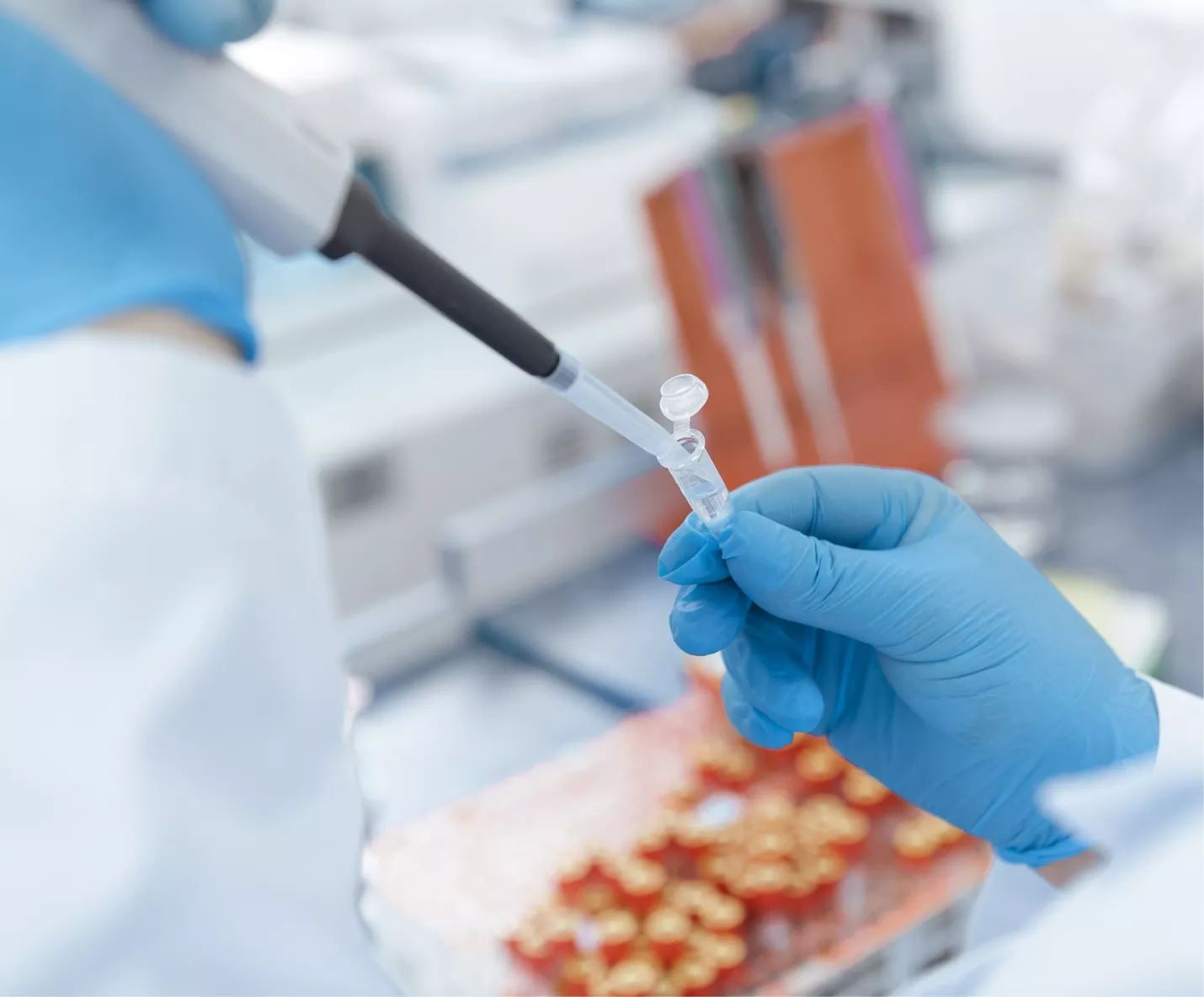
A close-up shot of a scientist in a lab coat and blue gloves using a micropipette to transfer a liquid sample into a small test tube.

Proven Intelligence in Preclinical Supply Chain Integrity.

Frequently Asked Questions

Why are Mauritian origin SPF cynomolgus macaques specified for IND-enabling toxicology studies?

Mauritian origin specific-pathogen-free (SPF) cynomolgus macaques provide a genetically homogenous, well-characterized nonhuman primate (NHP) model. This reduces biological variability, leading to more consistent and interpretable data in preclinical programs, which is a requirement for robust submissions to global regulatory bodies.

How does an integrated supply chain for NHP models reduce risk for biotech sponsors?

An integrated supply chain, like our strategic integration with the Bioculture Group, eliminates logistical and regulatory friction. It provides full traceability from the source breeding colony in Mauritius through U.S.-based quarantine and into GxP-compliant studies, guaranteeing access and mitigating the program delays common with fragmented, multi-vendor sourcing approaches.

What is the typical timeline to get a candidate to IND using Franklin Biolabs’ preclinical services?

Our scientific leadership and core team have a track record of moving therapeutic candidates to IND in 18-24 months. While Franklin Biolabs formally launched in 2024, this timeline reflects the deep historical experience of our principal scientists in executing complex preclinical programs, which have resulted in a 100% successful IND rate since 2019.

Executive Summary

For sponsors of next-generation therapeutics, securing a reliable supply of well-characterized nonhuman primate (NHP) models is a primary determinant of program velocity and success. Franklin Biolabs addresses this directly through a strategic integration with the Bioculture Group, providing guaranteed access to Mauritian origin SPF cynomolgus macaques. This integrated supply chain ensures full traceability, reduces biological variability, and de-risks the execution of IND-enabling toxicology studies for sponsors targeting global regulatory submissions, including those governed by ICH guidelines.

A close-up of a gloved hand handling PCR tubes with blue liquid in a laboratory rack, with a blue color overlay.

A close-up of a Pall Corporation single-use bioreactor system in a cleanroom environment, showing the control panel, vessel with cell culture media, and tubing.

Mitigating Program Risk with a Secured NHP Supply Chain

The biological relevance of the NHP model directly impacts the translatability of pharmacology and toxicology data. Our approach centers on providing sponsors with unparalleled supply chain security and model integrity.

Through our integration with the Bioculture Group, we offer:

  • Guaranteed Access: Direct access to Mauritian origin SPF cynomolgus macaques, a preferred model for its genetic homogeneity.

  • Full Traceability: A documented chain of custody from the breeding colony in Mauritius to our >100,000 sq ft facility.

  • Regulatory Compliance: U.S.-based quarantine and holding services that meet all USDA and international regulatory import requirements, simplifying logistics for global sponsors.

This model was instrumental in our collaboration with Moderna to advance their mRNA therapeutic pipeline, demonstrating its capacity to support even the most demanding programs.

The Impact of Model Selection on In Vivo Study Outcomes

The biological consistency of the animal model directly influences the scientific validity of preclinical data. A genetically homogenous NHP population reduces biological variability, which is a requirement for accurately assessing the pharmacology and toxicology of a novel therapeutic. For instance, evaluating complex in vivo strategies, such as prophylactic immunosuppression regimens for AAV gene therapy, depends on a consistent biological system to produce interpretable results (PMID: 37833563). A secure, high-quality supply chain provides the foundation for such definitive IND-enabling studies.

Our operational framework is built to support sponsors navigating complex international regulatory environments. We design and execute preclinical programs that generate comprehensive data packages suitable for multi-jurisdictional IND, IMPD, and other global submissions. This integrated approach to both supply and scientific execution is detailed further in our discussion on diversifying the value chain.

Our comprehensive Preclinical and Translational Services are designed to leverage these unique supply chain advantages, accelerating your program toward regulatory filing.

Animal Welfare and Ethical Standards

Our commitment to the 3Rs (Replacement, Reduction, and Refinement) is fundamental to our operations. All animal care and use programs are AAALAC accredited and adhere to USDA regulations, ensuring the highest standards of welfare. We provide enhanced housing conditions and cognitive enrichment programs during the in-life phase of all NHP studies.


Scientific Process Diagram

This content is for informational purposes. For guidance specific to your therapeutic program, please contact our team for a consultation.