AAV-Rh10 Titer Analysis with Digital Droplet PCR

PROVEN INTELLIGENCE ACCELERATING NEXT-GENERATION THERAPIES

AAV-Rh10 Titer Analysis with Digital Droplet PCR

CELL & GENE | RNA | BIOLOGICS

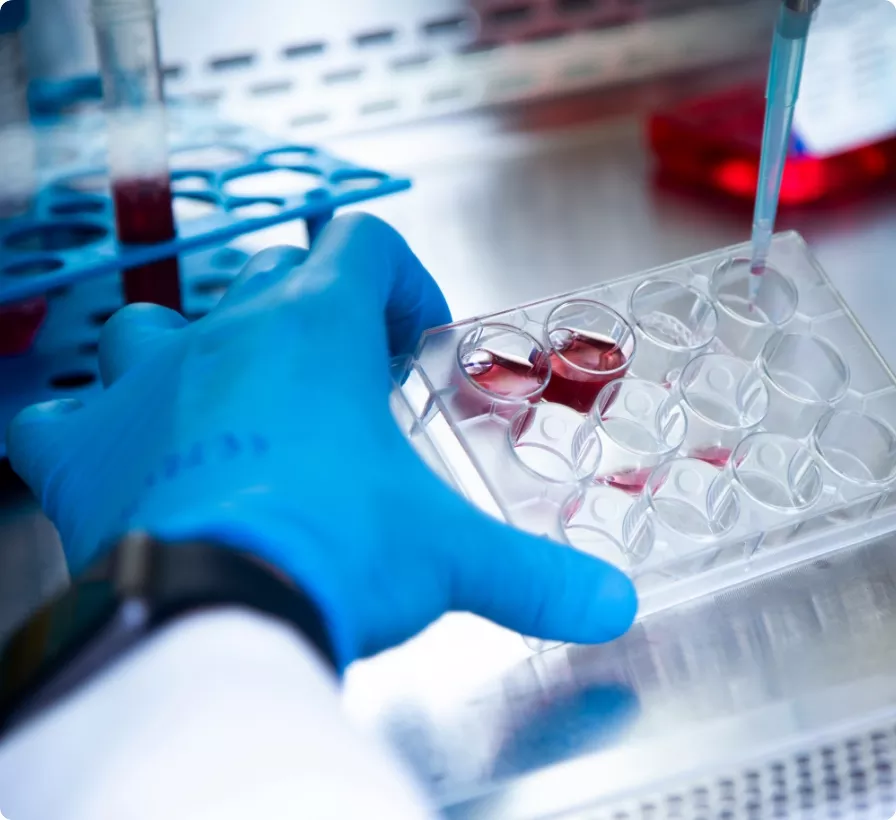
A scientist pipetting a red liquid into a multi-well plate in a laboratory setting.

Proven Intelligence in AAV Vector Analytics.

Executive Summary

Accurate quantification of vector titer is a foundational requirement for any AAV-based therapeutic program. For AAV-Rh10 vectors, often used in demanding preclinical models, imprecise titer analysis can obscure dose-response relationships and confound immunogenicity assessments. Franklin Biolabs employs Digital Droplet PCR (ddPCR) for absolute, high-precision titer analysis, providing the definitive data needed to de-risk IND-enabling toxicology studies and ensure batch-to-batch consistency for next-generation therapeutics.

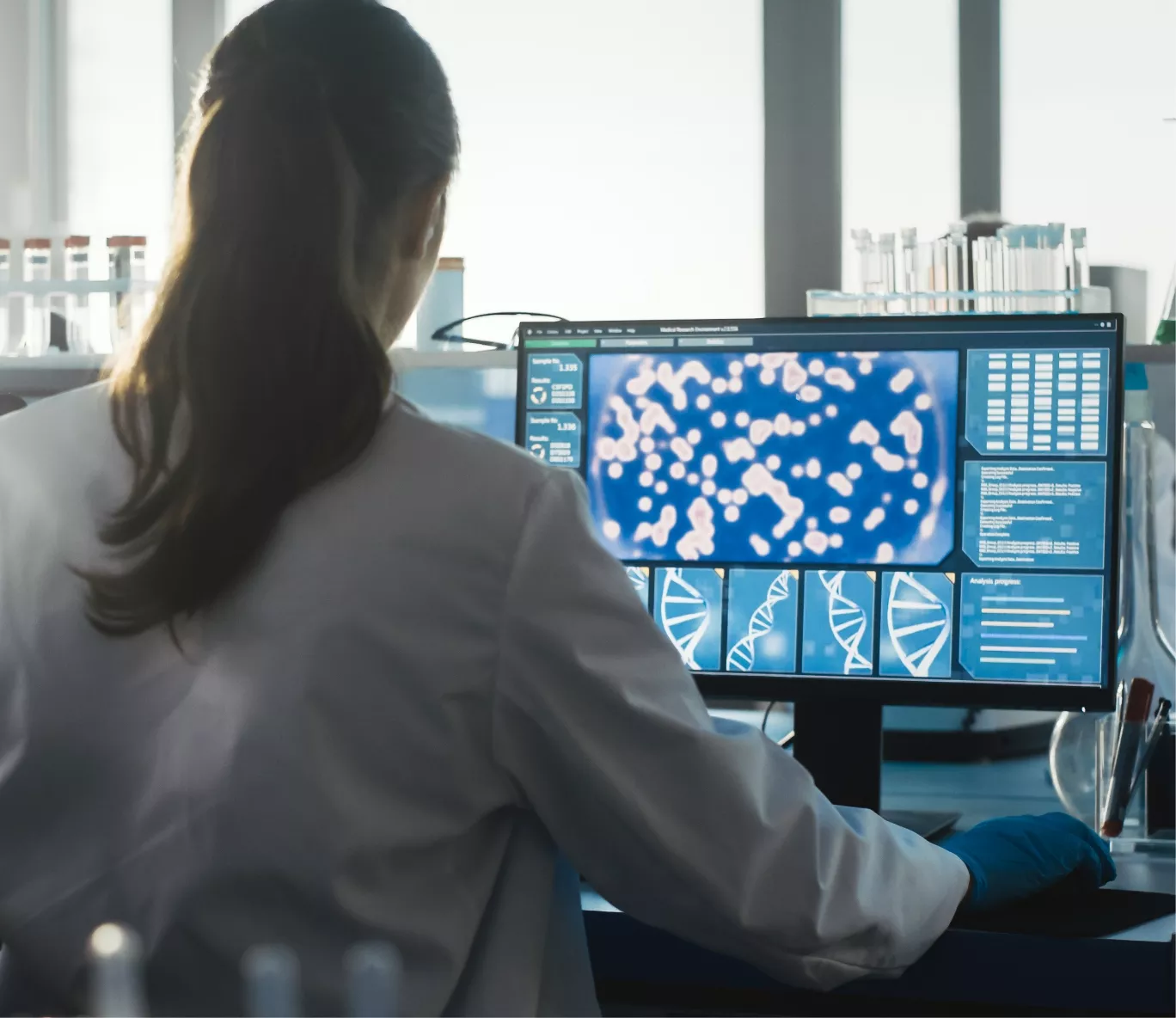
A female scientist in a lab coat analyzes complex biological data, including cellular imagery and DNA models, on a computer screen.

Frequently Asked Questions

Why is ddPCR preferred over qPCR for IND-enabling toxicology studies?

Digital Droplet PCR provides absolute quantification of vector DNA without reliance on a standard curve, which can be a source of variability in qPCR. This enhanced precision is vital for establishing accurate dose-response curves and safety margins in GxP-compliant preclinical toxicology programs.

How does AAV-Rh10 vector titer impact the interpretation of preclinical immunogenicity data?

The host immune response to an AAV vector is dose-dependent. Inaccurate titer analysis can lead to incorrect dosing in animal models, potentially triggering unintended immune activation or failing to elicit a response that reflects the clinical scenario. Precise ddPCR data ensures that observed immunological outcomes are correctly correlated to the administered vector dose.

Can you perform ddPCR titer analysis on AAV batches not produced at Franklin Biolabs?

Yes. We provide standalone analytical services for AAV vectors, including AAV-Rh10, manufactured by other organizations. Our analytics team can characterize research or preclinical batches to provide an accurate, independent assessment of vector titer and other quality attributes.

A senior scientist with grey hair is mentoring a diverse group of younger scientists or students in a laboratory setting.

Absolute Quantification for Preclinical AAV-Rh10 Programs

The characterization of an AAV vector batch begins with a definitive measurement of its vector titer. This metric dictates the dosing strategy for all subsequent in vivo work. For AAV-Rh10, a serotype valued for its robust transduction profile in preclinical models, an accurate understanding of dose is directly linked to the integrity of the entire preclinical data package.

Traditional qPCR methods, while widely used, provide a relative quantification that is dependent on the performance of a standard curve. This introduces potential for run-to-run variability and can be influenced by inhibitors present in the sample matrix. Digital Droplet PCR circumvents these limitations by partitioning the sample into thousands of individual reactions, enabling direct, absolute counting of target DNA molecules.

The benefits of this approach include:

  • Enhanced Precision: Delivers higher precision and accuracy, which is necessary for defining narrow therapeutic windows.

  • Inhibitor Resistance: Less susceptible to PCR inhibitors that may be carried over from vector purification processes.

  • No Standard Curve: Eliminates the need for a standard reference material, simplifying the workflow and removing a key source of potential error.

Linking Titer Accuracy to Immunological Outcomes

The relationship between AAV vector dose and the resulting immune response is a primary focus of preclinical safety assessment. As research has shown, the innate immune system is highly sensitive to AAV components, with pathways like TLR9 signaling mediating adaptive immune responses against the vector or transgene product (PMID: 31703913). An inaccurate titer measurement that leads to even a minor dosing error in an NHP model can significantly alter the immunological profile, confounding the interpretation of safety data intended for an IND submission.

By implementing ddPCR, programs gain confidence that the dose administered in toxicology and biodistribution studies is precisely known. This analytical rigor is a cornerstone of our approach, reflecting our team’s “vast knowledge in all aspects of vector production and analytics.” This commitment to precision has been a key factor in the 100% successful IND rate achieved by our core scientific leadership since 2019, a track record established prior to the formal launch of Franklin Biolabs in 2024. For a broader overview of how analytical excellence fits into a successful vector program, see our webinar on initiating AAV projects.

This level of analytical detail ensures that data submitted to regulatory bodies is robust, reproducible, and directly supportive of the proposed clinical starting dose. It forms a foundational component in building a data package designed for successful regulatory review across global jurisdictions, including submissions to the FDA and those aligned with ICH guidelines.

Our analytical capabilities are a core component of our integrated services, which are detailed further on our main Vector | CMC | Analytics Services page.

Scientific Process Diagram

This content is for informational purposes. For guidance specific to your therapeutic program, please contact our team for a consultation.