CMC Scale-Up Strategy for AAV Manufacturing from Pilot to Phase 1 in San Francisco

PROVEN INTELLIGENCE ACCELERATING NEXT-GENERATION THERAPIES

CMC Scale-Up Strategy for AAV Manufacturing from Pilot to Phase 1 in San Francisco

AAV Manufacturing: CMC Scale-Up Strategy for Phase 1 Readiness

CELL & GENE | RNA | BIOLOGICS

Proven Intelligence Accelerating Next-Generation Therapies.

A blue-toned image of white lab rats in their cages within a laboratory or vivarium setting, likely for scientific research or testing.

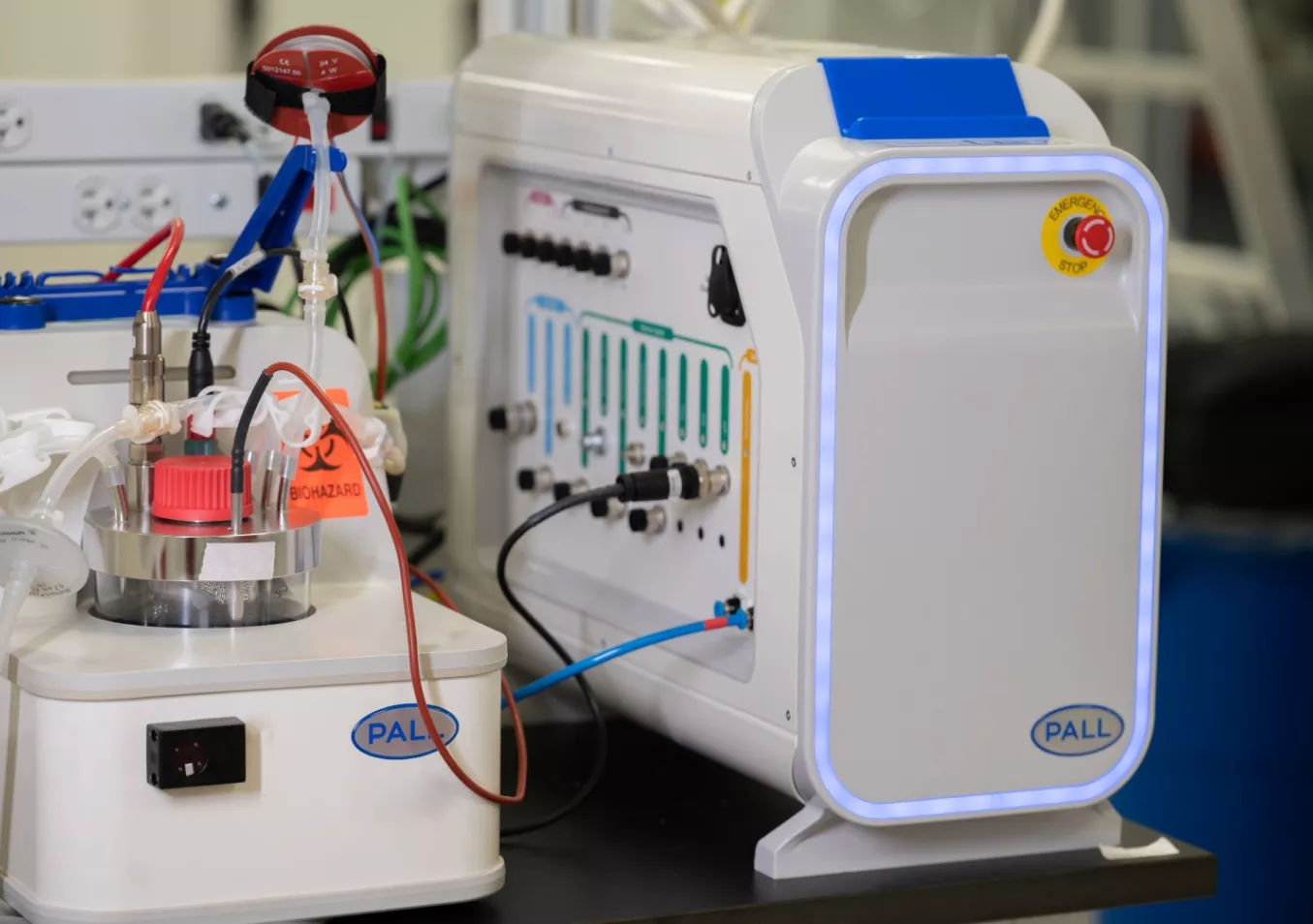
A close-up shot of a modern bioreactor system and control unit from Pall Corporation in a clean laboratory environment.

Executive Summary

Transitioning an adeno-associated virus (AAV) program from pilot-scale production to a robust, phase 1-ready CMC package presents significant technical and regulatory hurdles. A manufacturing process not designed for scalability can impede progress and introduce risks that delay clinical entry. Our approach integrates process development, phase-appropriate analytics, and regulatory strategy from the outset, establishing a direct path to a successful IND submission. This methodology is designed to move therapeutic candidates toward IND within an 18-24 month timeline.

Frequently Asked Questions

    What defines a phase-appropriate CMC strategy for AAV vectors?

    A phase-appropriate strategy focuses on building a process that is scalable and reproducible under GxP conditions. For early phases, this involves establishing robust analytical methods to characterize the product, ensuring plasmid quality, defining a consistent purification scheme, and generating sufficient data to justify product safety and quality for first-in-human studies.

    How early should process development for AAV scalable suspension begin?

    Process development for scalable suspension systems should begin as soon as a lead candidate is identified. Early adaptation from adherent to suspension culture de-risks the manufacturing process, allowing for optimization of bioreactor conditions and downstream purification long before a GxP manufacturing run is required.

    What are the primary analytical challenges when scaling AAV production?

    Key challenges include maintaining consistency in product quality attributes, such as the full-to-empty capsid ratio, aggregate levels, and potency. Analytical methods used for small-scale batches must be qualified and demonstrate suitability for monitoring the larger-scale process and performing final product release testing.

Aligning Pilot Production with Clinical Intent

A common challenge for therapeutic developers is that a process suitable for producing pilot material is seldom adequate for clinical manufacturing. Strategic CMC guidance for regulatory success begins with early decisions that anticipate future regulatory requirements. The selection of a specific AAV serotype, for instance, has direct consequences for manufacturability.

Vector tropism and efficacy are primary considerations. Understanding the relative transduction efficiency of different serotypes (PMID: 17343566) provides a biological baseline. This data must then be balanced against production characteristics to select a candidate with a viable profile for scalable manufacturing. Choosing a capsid that balances biological activity with high-yield production is a foundational CMC decision that minimizes future manufacturing deviations.

A stylized 3D rendering of a DNA double helix, composed of light-colored spheres on a translucent blue backbone, set against a soft-focus, light blue background.

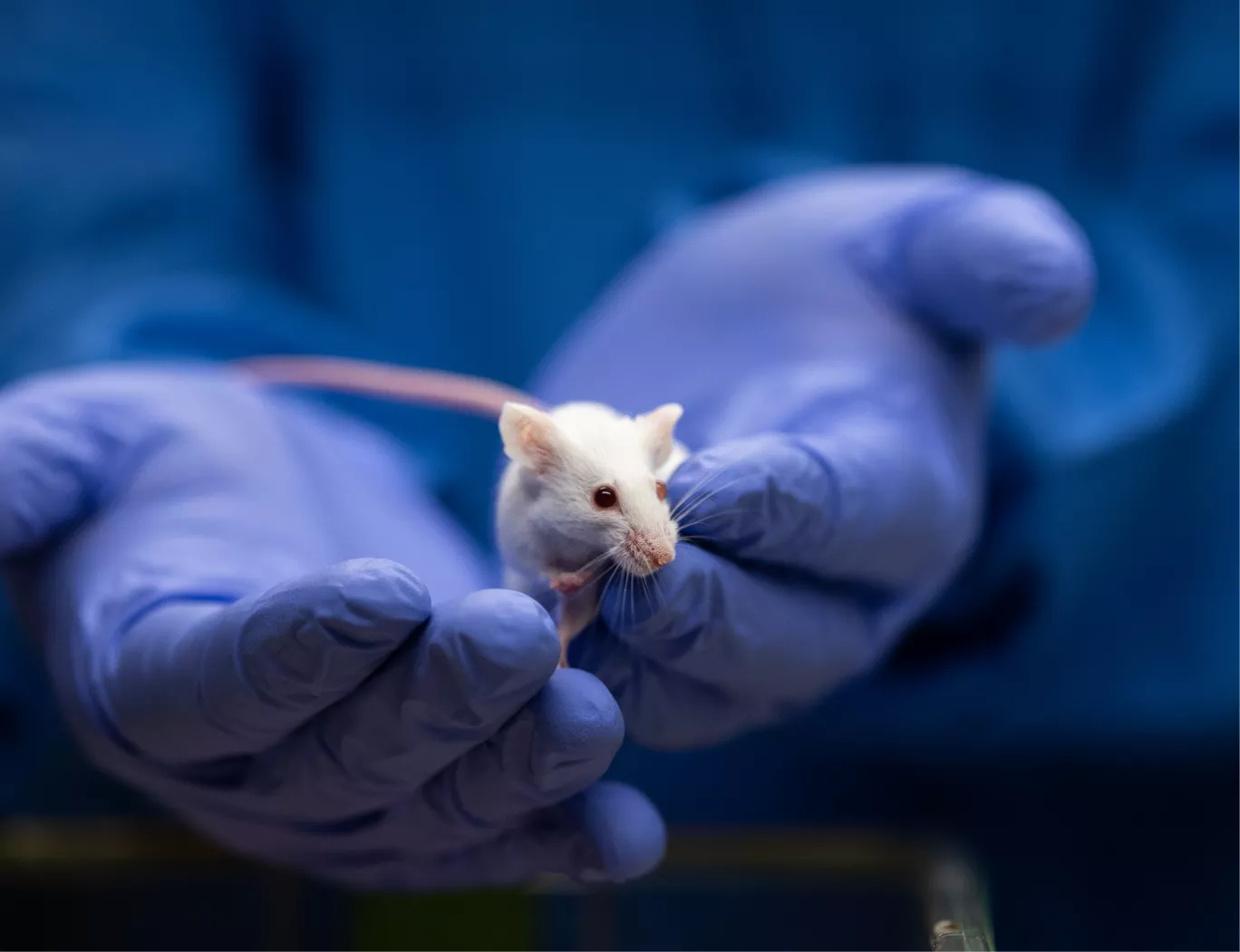
A close-up of a scientist in blue gloves gently holding a small, white laboratory mouse, likely in a research setting.

The Transition to AAV Scalable Suspension Systems

Scaling AAV production requires a deliberate shift from adherent cell culture systems to AAV scalable suspension platforms. This transition is necessary to generate the quantity and quality of material required for comprehensive IND-enabling toxicology studies and Phase 1 clinical trials. Our >100,000 sq ft facility is equipped to manage this entire workflow.

Key technical milestones in this transition include:

  • Cell Line Development: Establishing and documenting a master cell bank (MCB) to ensure a consistent and stable production source.

  • Plasmid Supply Chain: Securing a reliable source of high-quality plasmid DNA, as plasmid purity directly impacts vector quality and yield.

  • Upstream Process Optimization: Defining and locking key parameters in the bioreactor environment to ensure run-to-run consistency.

  • Downstream Purification: Developing a purification train, often involving multiple chromatography steps, that effectively removes process-related impurities and isolates a homogenous vector product.

Phase-Appropriate Analytics and Regulatory Documentation

As the manufacturing process scales, the analytical methods used to characterize the AAV vector must mature in parallel. A comprehensive suite of qualified assays is required to ensure product identity, purity, potency, and stability. These analytics form the backbone of the CMC data package submitted to regulatory agencies.

Executing this level of analytical rigor requires deep domain expertise in both vector biology and regulatory compliance.

The scientific team that achieved a 100% successful IND rate since 2019 now forms the core of Franklin Biolabs, which launched in 2024. This continuity of expertise ensures that every CMC program is built on a deep understanding of regulatory expectations, minimizing clinical risk and preparing sponsors for successful agency interactions.

Technical Visualization: AAV Scale-Up Pathway from Pilot to Phase 1

Scientific Process Diagram

This content is for informational purposes. For guidance specific to your therapeutic program, please contact our team for a consultation.