Custom Cloning of Dual-Promoter AAV Constructs for Neurological Disorders Research

PROVEN INTELLIGENCE ACCELERATING NEXT-GENERATION THERAPIES

Custom Cloning of Dual-Promoter AAV Constructs for Neurological Disorders Research

Custom AAV Plasmid Services: Dual-Promoter Constructs for Neurological Targeting

CELL & GENE | RNA | BIOLOGICS
Precision plasmid architecture for cell-specific expression.

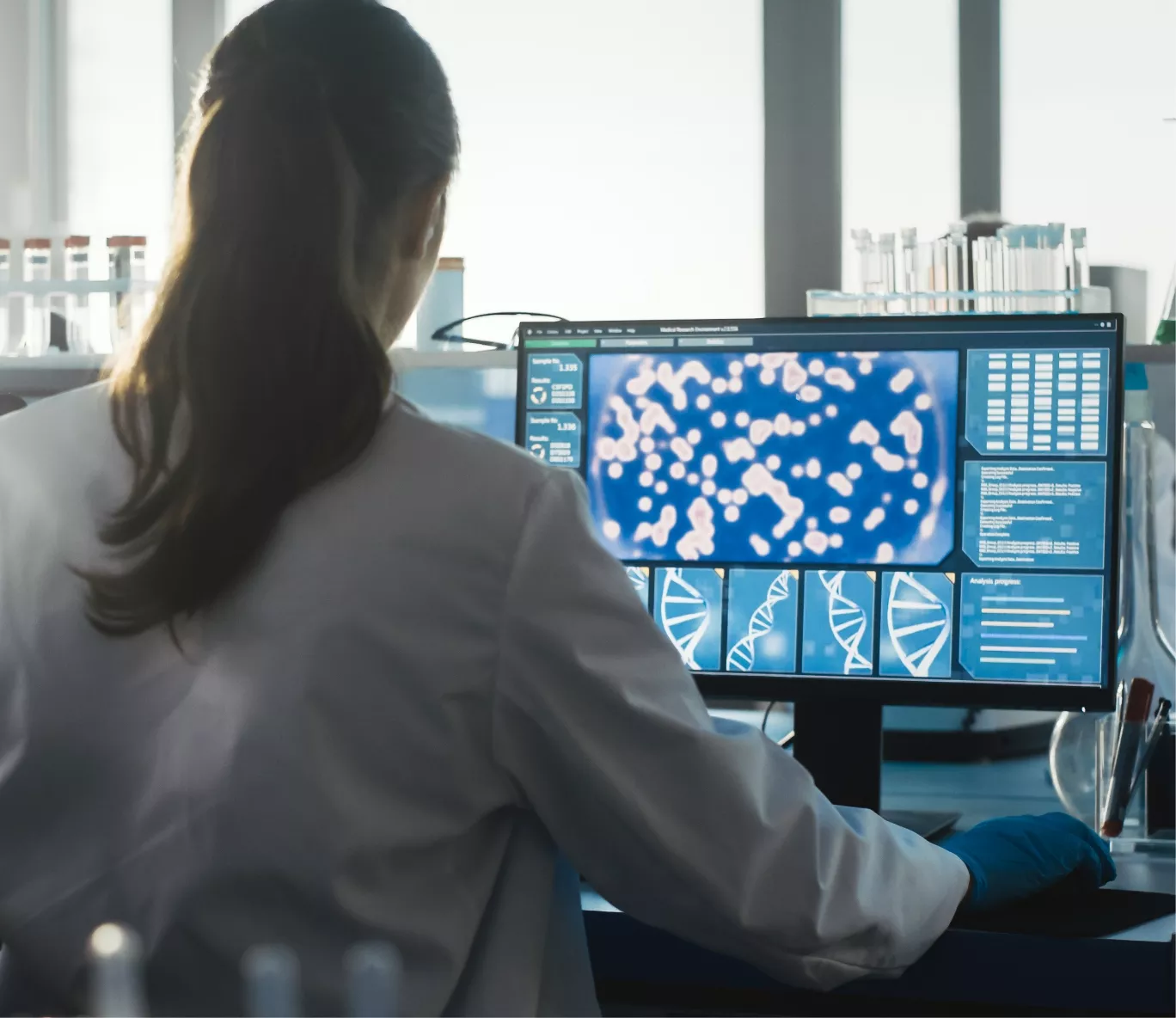
A female scientist in a lab coat analyzes complex biological data, including cellular imagery and DNA models, on a computer screen.

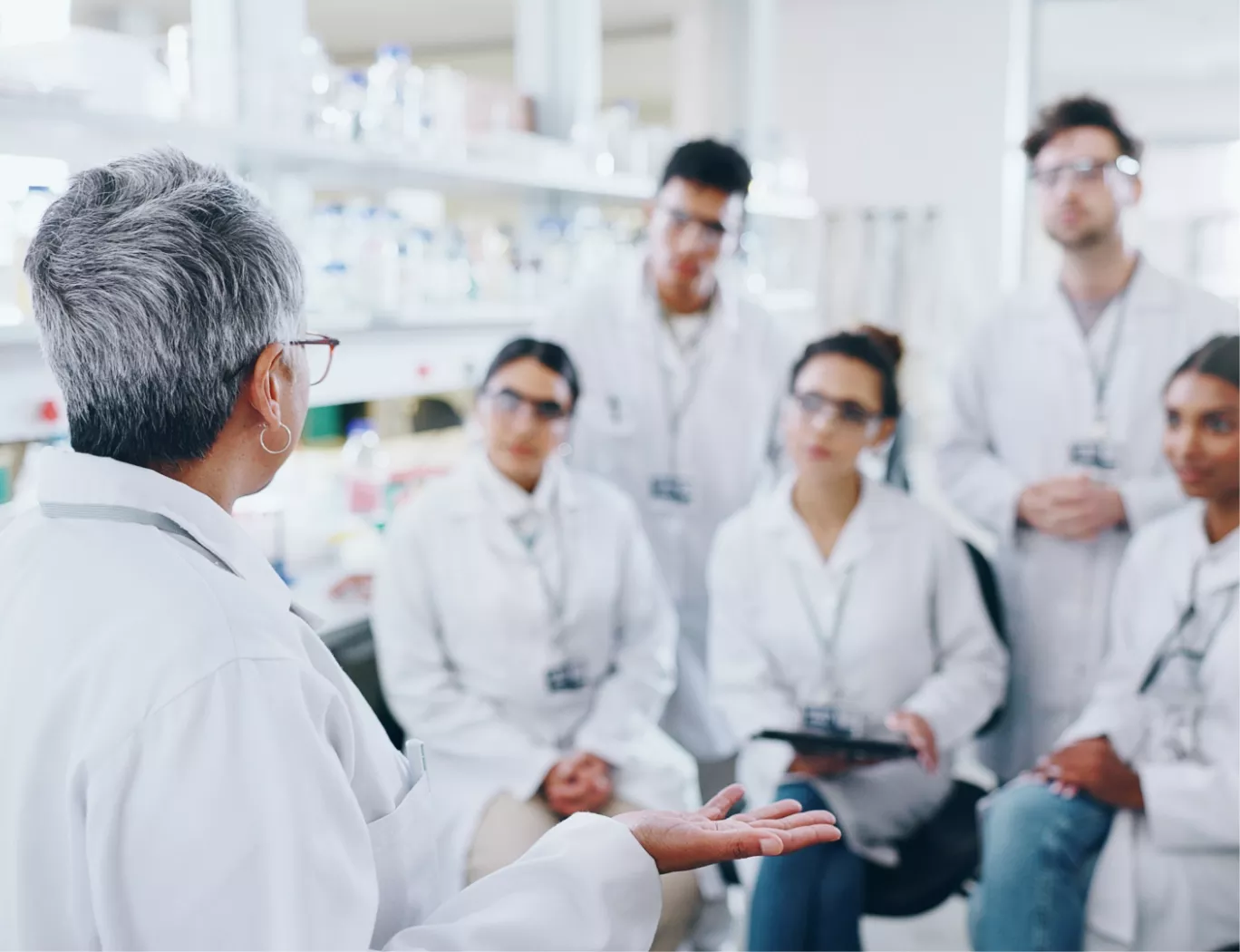
A senior scientist with grey hair is mentoring a diverse group of younger scientists or students in a laboratory setting.

Executive Summary

We provide the technical framework for designing and cloning dual-promoter AAV constructs for research programs targeting complex neurological disorders. Our approach centers on building expression cassettes that restrict transgene activity to specific cell populations within the central nervous system (CNS), enhancing specificity and mitigating risks from off-target expression. These DNA services yield sequence-verified, production-ready plasmids for AAV packaging.


Frequently Asked Questions

    What is a dual-promoter AAV construct?

    A dual-promoter AAV construct incorporates two distinct promoter elements within the expression cassette. This strategy can be used to drive the expression of two different transgenes or to achieve highly specific, combinatorial logic where expression only occurs in cells that recognize both promoters.

    Why use a refined promoter system for neurological targets?

    The CNS contains a diverse mix of cell types (e.g., neurons, astrocytes, microglia). Using a strong, ubiquitous promoter can lead to transgene expression in non-target cells, potentially causing unwanted side effects or toxicity. A cell-specific or dual-promoter system confines expression to the intended therapeutic target, improving the safety and efficacy profile of the vector.

    What is the typical turnaround time for custom cloning?

    Timelines are determined by cassette complexity and any gene synthesis requirements. A detailed project scope and timeline are established following a design consultation to align with program goals.

    How does Franklin Biolabs verify the final plasmid construct?

    Every custom plasmid undergoes rigorous verification. We use Sanger sequencing to confirm the integrity of the expression cassette and can perform full-plasmid Next-Generation Sequencing (NGS) to ensure the backbone and inverted terminal repeats (ITRs) are correct and free of mutations.


Engineering Cell-Type Specificity in AAV Vectors

Achieving precise transgene expression in the central nervous system presents a significant design challenge. The anatomical complexity and cellular heterogeneity of the brain demand AAV vectors that can differentiate between target and non-target cells. Standard expression cassettes driven by strong, constitutive promoters like CMV or CAG often result in widespread expression that may not be optimal for all therapeutic applications, particularly for potent gene editing or silencing payloads.

An effective method for refining expression is the strategic selection of promoters. As demonstrated in studies focused on increasing the specificity of AAV-based gene editing, utilizing short-promoter strategies is a validated approach to reduce nuclease expression and limit off-target activity (PMID: 33359790). This principle of transcriptional targeting is directly applicable to neurological gene therapy, where confining a therapeutic protein’s expression to a specific neuronal subpopulation can determine a program’s viability. Our approach involves designing cassettes that leverage tissue-specific promoters to build a more targeted and predictable vector.

Our programs are driven by the scientific team that established the foundational vector platform at the University of Pennsylvania. This direct lineage provides deep institutional knowledge and ensures seamless continuity for established and new vector development partnerships.

A senior scientist leads a discussion with a group of diverse junior scientists in a bright, modern laboratory setting.

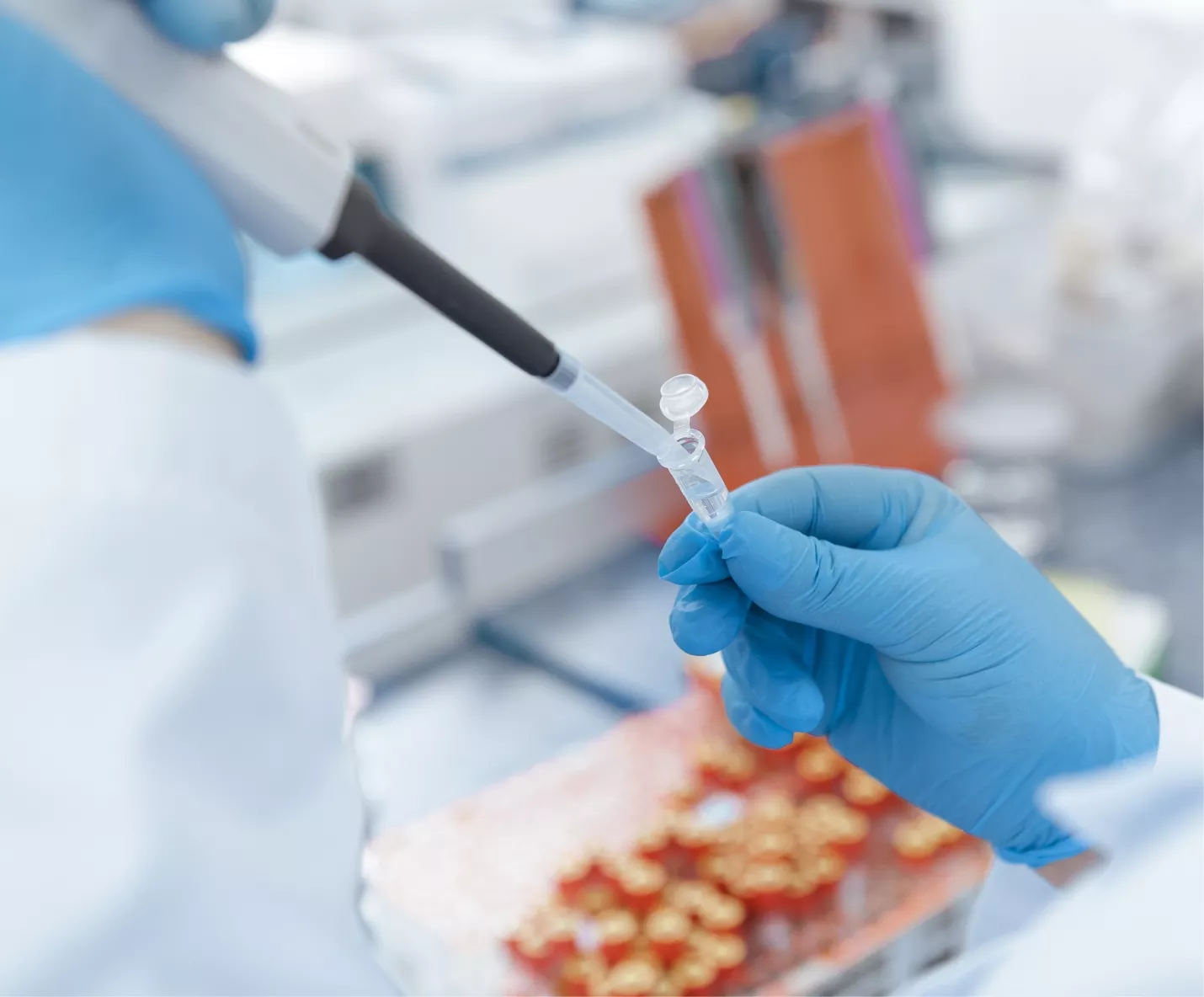
A close-up shot of a scientist in a lab coat and blue gloves using a micropipette to transfer a liquid sample into a small test tube.

From Design to Production-Ready DNA

Our DNA services provide the foundational plasmid material required for successful AAV production. The process is consultative, beginning with an evaluation of your target cell population and therapeutic goals to inform promoter selection and overall cassette architecture.

Our plasmid services include:

  • Strategic Consultation: Guidance on promoter selection, polyadenylation signals, and codon optimization for your specific application.

  • Gene Synthesis & Subcloning: De novo synthesis of your transgene and cloning into a range of AAV backbones.

  • Sequence Verification: Comprehensive Sanger and optional NGS analysis to guarantee the integrity of your final construct.

  • Plasmid Production: Scalable, high-purity plasmid preparations suitable for research-grade or GxP-compliant AAV manufacturing.

The scientific team that built the foundational vector platform at the University of Pennsylvania now drives our programs. This continuity ensures that deep institutional knowledge is applied to every project. As one collaborator noted, “The key people from UPenn Vector Core joined Franklin Biolabs and our partnership transitioned without interruption… Franklin Biolabs is integral to our AAV-vector based gene therapy candidate development.”

Technical Visualization: Dual-Promoter AAV Plasmid Workflow

Scientific Process Diagram

This content is for informational purposes. For guidance specific to your therapeutic program, please contact our team for a consultation.