Custom Excipient Analysis for Novel Biologic Formulations Developed in Seattle’s Biotech Sector

PROVEN INTELLIGENCE ACCELERATING NEXT-GENERATION THERAPIES

Custom Excipient Analysis for Novel Biologic Formulations Developed in Seattle’s Biotech Sector

Custom Excipient Analysis for Viral Vector Formulations

CELL & GENE | RNA | BIOLOGICS

A stylized, 3D rendering of a DNA double helix in light blue and white, set against a soft-focus, light gray background.

Proven Intelligence Accelerating Next-Generation Therapies.

Executive Summary

For sponsors developing AAV, lentiviral, or adenoviral vectors, the use of novel excipients introduces analytical and regulatory complexity. Standard compendial assays are often insufficient for characterizing these unique formulations, creating risks for product stability, biological activity, and CMC data package integrity. Franklin Biolabs provides custom, phase-appropriate analytical method development and qualification to precisely identify and quantify non-standard excipients, ensuring formulation consistency and supporting a direct path toward IND submission.

Technical FAQ

    What types of excipients require custom analysis?

    Novel surfactants, proprietary stabilizers, unique buffering agents, or co-formulated compounds not listed in standard pharmacopeias (USP, Ph. Eur.) require custom methods to ensure identity, purity, and concentration.

    How do you address potential matrix effects from the vector product?

    Our method development process includes forced degradation studies and specificity experiments using the actual product matrix. This allows us to identify and mitigate interference from viral capsids, DNA, or process residuals, ensuring the assay is robust and accurate.

    At what stage should custom excipient analysis be developed?

    Initial method development should begin during the preclinical formulation screening phase. This allows for a qualified, GxP-compliant assay to be ready for use in IND-enabling toxicology batch release and stability studies, preventing delays in the 18-24 month timeline to IND.

    What analytical platforms are used?

    We employ a range of platforms based on the excipient’s chemical properties. Common techniques include High-Performance Liquid Chromatography (HPLC) with various detectors (UV, CAD, ELSD), Gas Chromatography (GC), and Mass Spectrometry (LC-MS) for definitive identification and quantitation.

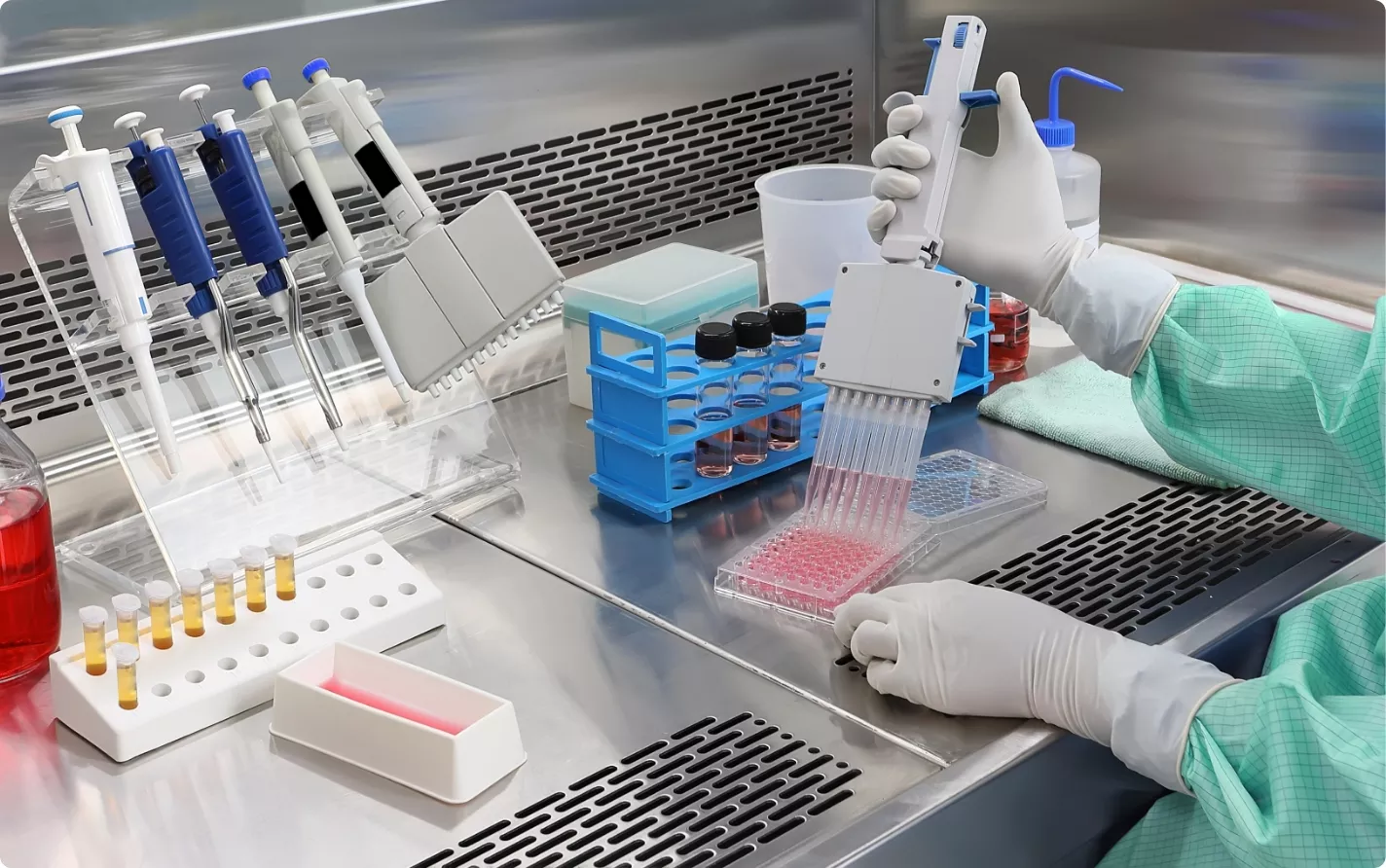
A scientist in a sterile laboratory setting uses a multichannel pipette to transfer pink liquid into a multi-well plate for a high-throughput experiment.

The Analytical Challenge of Novel Formulations

As viral vector platforms advance, formulations are engineered to enhance stability and improve in vivo performance. These advancements often depend on excipients that fall outside compendial standards. Relying on generic analytical methods for these novel components can obscure specific quality attributes, leading to inconsistent batch performance and unforeseen challenges during regulatory review.

A robust analytical strategy contributes directly to de-risking the entire development program. The ability to precisely characterize every component of a formulation supports a successful CMC package. This aligns with principles demonstrated in broader analytical science, where advanced techniques like DNA sequencing can definitively identify novel species (PMID: 33219793), reinforcing the value of precise characterization for any unknown biological or chemical entity.

Phase-Appropriate Method Development

Developing a custom analytical method requires a tailored, science-driven approach. A one-size-fits-all template does not exist for the unique formulations being developed for next-generation AAV and lentiviral vectors.

Our process includes:

  • Method Design: A thorough review of the excipient’s physicochemical properties to select the most appropriate analytical technology and detection method.

  • Specificity & Linearity: Confirming the method can detect the target analyte without interference from other formulation components and demonstrating a direct correlation between signal response and concentration.

  • Accuracy & Precision: Qualifying the method to ensure it consistently delivers accurate results within defined acceptance criteria, suitable for GxP environments.

This level of analytical precision is an extension of the scientific rigor required in vector design itself. Just as reporter gene expression can be highly tissue-specific and requires careful selection (PMID: 17510373), the interaction of excipients with the vector and target biology must be understood and controlled through precise measurement.

A blue-toned image of white lab rats in their cages within a laboratory or vivarium setting, likely for scientific research or testing.

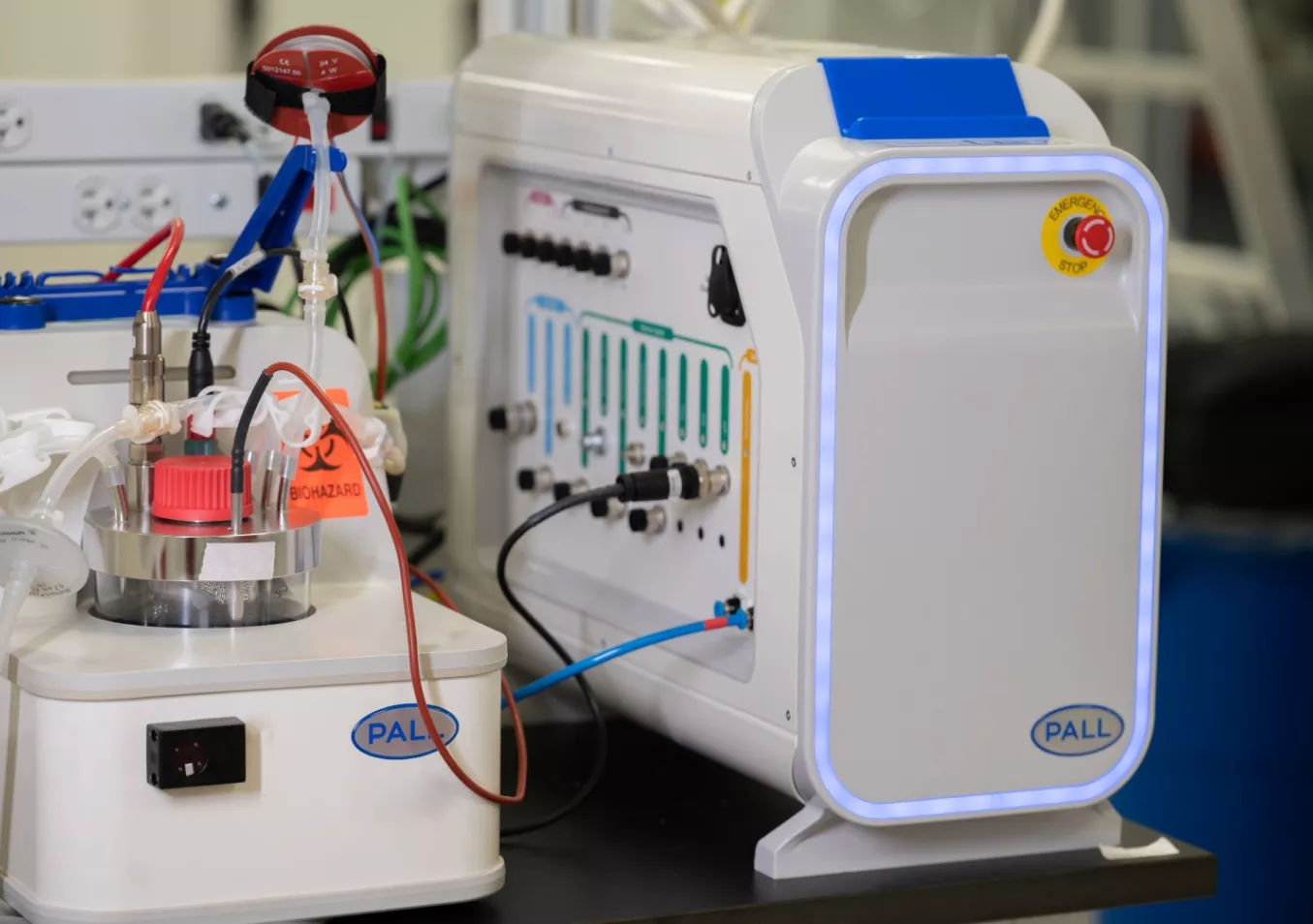
A close-up shot of a modern bioreactor system and control unit from Pall Corporation in a clean laboratory environment.

Supporting IND-Enabling Programs from a >100,000 sq ft Facility

Our analytics services are coordinated with our vector production and preclinical testing capabilities. This structure ensures that as your program advances from research-grade material to pivotal IND-enabling lots, the analytical methods mature in parallel. Franklin Biolabs, which launched in 2024, builds upon a scientific legacy that has contributed to a 100% successful IND rate for sponsors since 2019. By resolving complex formulation questions early, we help maintain program momentum and data integrity.

Technical Visualization: Custom Assay Development Workflow

Scientific Process Diagram

This content is for informational purposes. For guidance specific to your therapeutic program, please contact our team for a consultation.