De-risking AAV9 Manufacturing Tech Transfer for IND-Enabling Studies in Boston

PROVEN INTELLIGENCE ACCELERATING NEXT-GENERATION THERAPIES

De-risking AAV9 Manufacturing Tech Transfer for IND-Enabling Studies in Boston

De-risking AAV9 Manufacturing Tech Transfer for IND-Enabling Programs

CELL & GENE | RNA | BIOLOGICS

A senior scientist with grey hair is mentoring a diverse group of younger scientists or students in a laboratory setting.

Proven Intelligence Accelerating Next-Generation Therapies.

Executive Summary

Transferring an established AAV9 manufacturing process from a research environment to a GxP-compliant facility introduces significant risks to program timelines. Inconsistencies in process parameters, analytical method variability, and scalability challenges can compromise comparability and delay IND submissions. This asset outlines a framework for mitigating these risks through rigorous process definition, phase-appropriate analytical qualification, and a deep understanding of serotype-specific biology to ensure a predictable 18-24 month path to IND for therapeutic sponsors.

A senior scientist leads a discussion with a group of diverse junior scientists in a bright, modern laboratory setting.

Frequently Asked Questions: AAV9 Tech Transfer

    What is the primary risk in transferring an AAV9 process?

    The principal risk is a loss of process control, leading to a final product that is not comparable to the material used in foundational discovery studies. This can manifest as changes in potency, purity (specifically full/empty capsid ratios), or impurity profiles, jeopardizing the validity of IND-enabling toxicology data.

    How do you ensure analytical methods are robust post-transfer?

    A successful transfer is executed through a formal analytical method transfer protocol, which includes qualification or validation under GxP conditions. This process ensures that methods for titer, purity, and potency are reproducible and accurate in the receiving facility, providing consistent data for characterization and release.

    Can a process developed in adherent cell culture be transferred to a suspension platform?

    Yes, but it requires significant process development. Direct transfer is not feasible. The transition from adherent to a scalable suspension platform is a core capability, involving cell line adaptation, media optimization, and re-evaluation of transfection and lysis parameters to maintain vector quality at larger scales.

    What documentation is required for the CMC section of an IND?

    The CMC package requires comprehensive documentation detailing the manufacturing process, analytical methods used for product characterization, batch analysis data demonstrating consistency, and a stability program. A well-executed tech transfer generates the robust data package needed to support these sections.

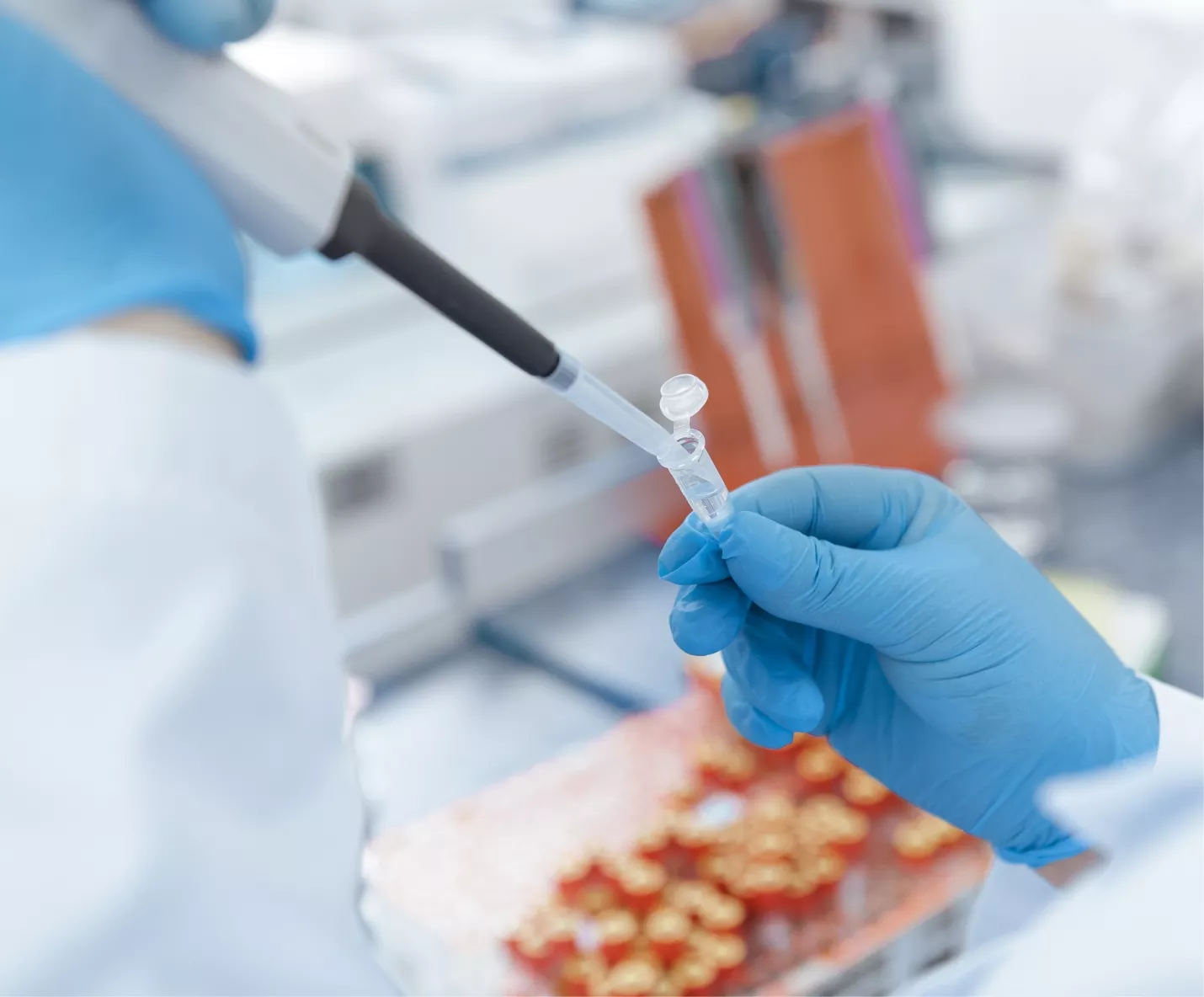
A close-up shot of a scientist in a lab coat and blue gloves using a micropipette to transfer a liquid sample into a small test tube.

A Framework for Predictable AAV9 Process Transfer

The technical transfer of a viral vector manufacturing process is a pivotal step in advancing a therapeutic candidate toward IND-enabling studies. For AAV9, a vector with demonstrated utility in CNS and systemic applications, maintaining defined quality attributes during this transition directly impacts program timelines and data integrity. A science-led approach, grounded in the biological basis of the vector, is required to prevent costly delays.

Understanding the vector’s mechanism of action informs manufacturing control. For instance, the role of terminal galactose as a key receptor for AAV9 transduction (PMID: 21576824) highlights the importance of post-translational modifications. A manufacturing process must be designed and transferred in a way that preserves the capsid characteristics necessary for proper cell binding and entry. Any deviation during scale-up could inadvertently alter these properties, impacting in vivo efficacy.

From Academic Scale to GxP-Compliant Manufacturing

Many promising AAV9 candidates originate in academic labs or early-stage discovery settings. Translating these processes for GxP manufacturing requires a structured methodology.

  • Process Definition and Gap Analysis: The first step involves a thorough evaluation of the existing process to identify any components or steps not suitable for a GxP environment. This includes raw material sourcing, equipment compatibility, and documentation practices.

  • Analytical Comparability: Establishing a robust analytical panel is foundational. Phase-appropriate qualification of assays for vector genome titer, capsid titer, aggregation, and potency ensures that product made post-transfer can be directly compared to the original research material.

  • Scalability and Engineering Runs: We model the process at a smaller, intermediate scale before committing to a full GxP batch. These engineering runs, conducted in our >100,000 sq ft facility, confirm that the process performs as expected and that the resulting vector meets all predefined specifications.

This structured approach provides the data-driven confidence needed for complex delivery routes, such as direct CNS administration, where vector purity and consistency are directly linked to performance and safety profiles (PMID: 26052519). Our methodology provides a clear line of sight from process development to clinical application.

“We started collaborating with UPenn Vector core in 2023 and the AAV vector which they manufactured laid a foundation for development of a gene therapy candidate which will enter soon preclinical studies. The key people from UPenn Vector Core joined Franklin Biolabs and our partnership transitioned without interruption from UPenn Vecor Core to Franklin Biolabs Research Vector Division. Franklin Biolabs serves as a key collaborator in our AAV-vector based gene therapy candidate development and we hope to continue the partnership for years to come.”
— Biotech Partner

Our team’s work has contributed to a 100% IND approval success rate for programs initiated since 2019, with the Franklin Biolabs brand formally launching in 2024. This history provides the deep operational knowledge required for a successful manufacturing transfer.


A close-up of a gloved hand handling PCR tubes with blue liquid in a laboratory rack, with a blue color overlay.

Technical Visualization: AAV Manufacturing Tech Transfer Framework

Scientific Process Diagram

This content is for informational purposes. For guidance specific to your therapeutic program, please contact our team for a consultation.