Webinar Alert! Assessing the Use of Non-Human Primates in Translational Research Today Register Today!

Developing a CMC Package for Innovate UK-Funded Cell Therapy Projects
PROVEN INTELLIGENCE ACCELERATING NEXT-GENERATION THERAPIES
Developing a CMC Package for Innovate UK-Funded Cell Therapy Projects
Developing a CMC Package for Innovate UK-Funded Viral Vector Projects
CELL & GENE | RNA | BIOLOGICS
Proven Intelligence Accelerating Next-Generation Therapies.


Executive Summary
For UK-based innovators securing Innovate UK grants, the transition from preclinical discovery to a clinical trial application requires a robust Chemistry, Manufacturing, and Controls (CMC) package tailored for MHRA review. A successful Investigational Medicinal Product Dossier (IMPD) for viral vectors like AAV or Lentivirus hinges on phase-appropriate process development, a comprehensive analytical strategy, and a clear manufacturing roadmap. This approach minimizes regulatory risk and aligns with the typical 18-24 month timeline to get candidates to clinical trial authorization.
Frequently Asked Questions
What are the MHRA’s primary concerns for a first-in-human viral vector IMPD?
The MHRA focuses intensely on product safety and consistency. Key areas of scrutiny include the purity of the vector preparation (e.g., ratio of full to empty capsids for AAV), residual process-related impurities from manufacturing, and the potency assay’s relevance to the proposed mechanism of action.
How early should process development for scalable AAV production begin?
Process development should begin concurrently with late-stage preclinical work. Establishing a scalable suspension-based manufacturing process early, even for initial toxicology lots, prevents significant delays and comparability challenges that arise when switching from adherent to suspension platforms later in development.
Is a fully validated potency assay required for the initial IMPD submission?
For a first-in-human submission, the primary potency assay should be well-qualified and demonstrate acceptable precision and accuracy. Full GxP validation is typically completed during later clinical phases, but the scientific soundness and suitability of the assay must be convincingly justified in the initial dossier.
Aligning Vector Production with UK Regulatory Milestones
Innovate UK funding provides a powerful catalyst for advancing novel viral vector constructs from academic proof-of-concept to clinical evaluation. The primary technical hurdle in this transition is the development of a CMC data package that satisfies MHRA expectations for an IMPD submission. This requires a forward-looking strategy that addresses manufacturing scalability and analytical robustness from the outset.
A tailored preclinical strategy is required. The objective is to build a data-driven narrative that justifies the quality, safety, and consistency of the investigational product. This involves defining key quality attributes (CQAs) for the specific vector, whether it’s an AAV serotype like AAV8 or AAV9, or a lentiviral vector for ex vivo transduction.

Core Components of a Phase-Appropriate IMPD Package
A well-structured CMC section for an IMPD submission provides clear, organized evidence of manufacturing control.
-
Starting Materials: Full characterization and traceability of all starting materials, including master cell banks and plasmid DNA, are foundational.
-
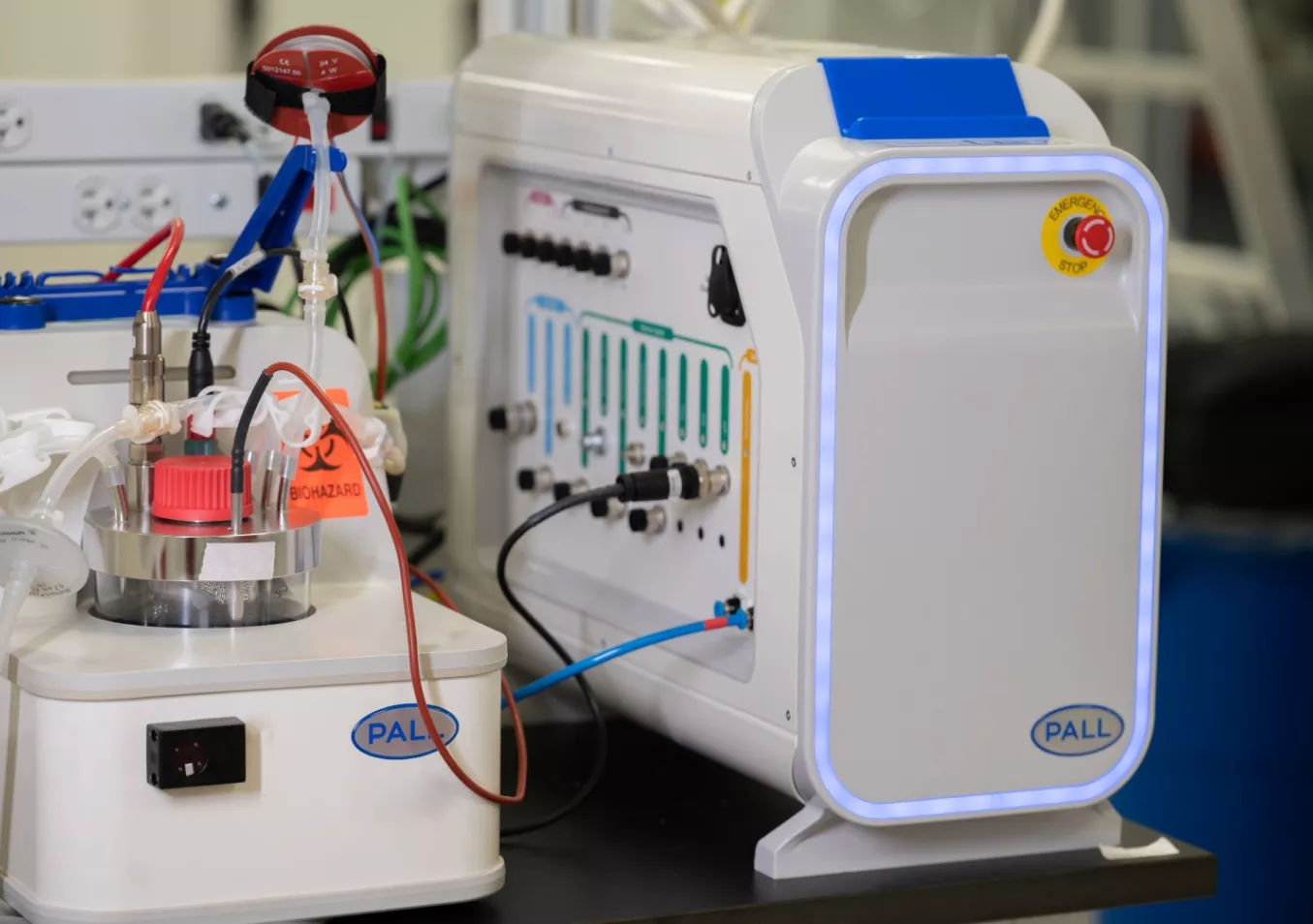
Manufacturing Process: A detailed description of the vector production process, from upstream cell culture to downstream purification, must be provided. For AAV, this includes specifics on the platform (e.g., adherent vs. AAV scalable suspension) and purification chromatography steps.
-
Analytical Controls: A comprehensive suite of release assays is necessary to ensure lot-to-lot consistency. This includes tests for identity, purity, concentration, and potency.
-
Stability Program: An initial stability protocol and available data must be included to support the proposed shelf-life and storage conditions for the clinical trial material.
Franklin Biolabs Facility Overview
This site tour showcases our preclinical and bioanalytical facilities, spanning over 100,000 sq ft of specialized laboratory and GxP-compliant space designed to support advanced therapeutic programs.

De-risking Immunogenicity and Biodistribution
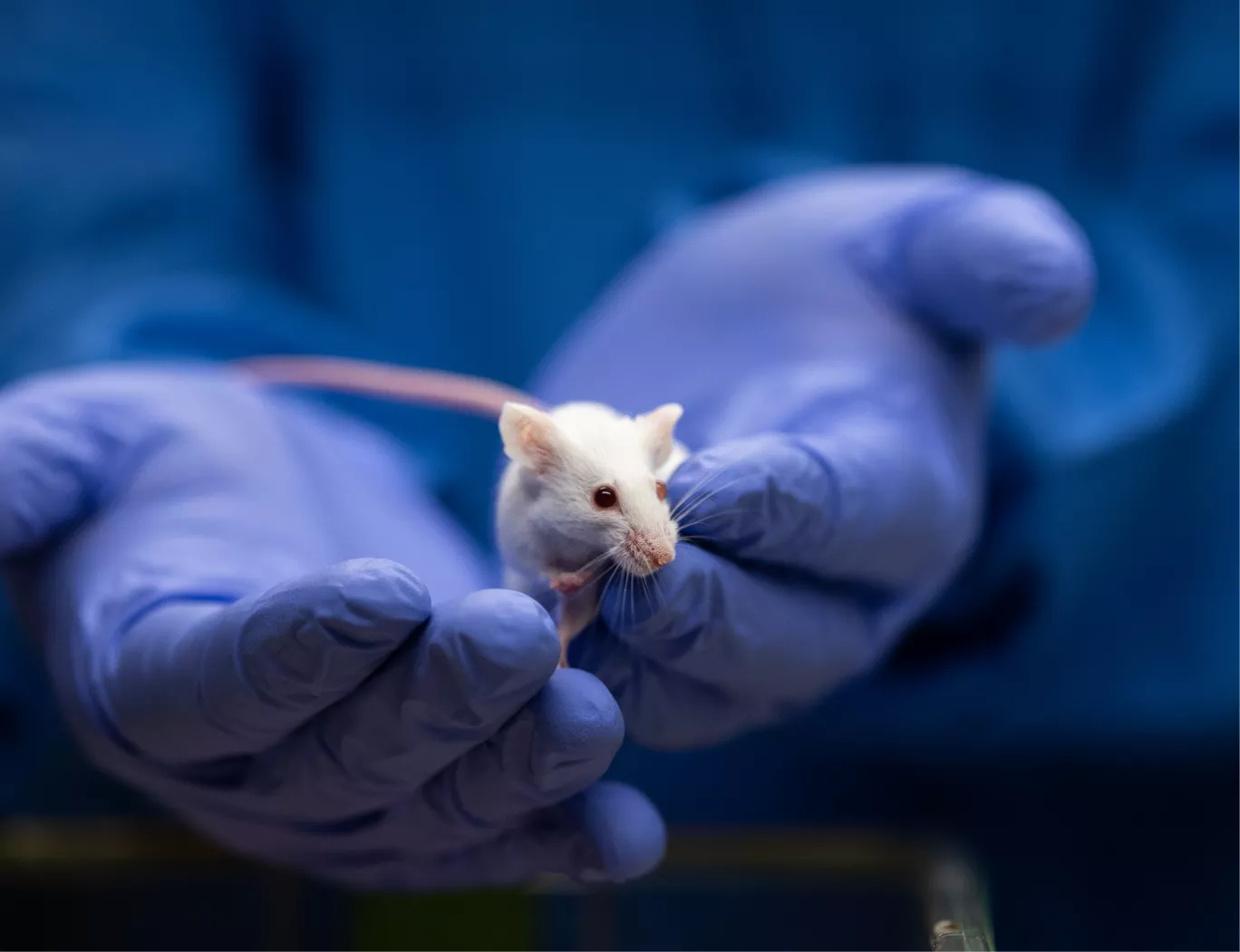
Anticipating and characterizing the potential immune response to a viral vector is a key part of the preclinical safety assessment. As demonstrated in AAV vector evaluations, transgene-specific T cell responses can be localized to target tissues (PMID: 30547050). This finding underscores the need for sophisticated, clinical-grade assay development capable of detecting localized, not just systemic, immune activity.
An effective CMC strategy integrates directly with the preclinical plan. It ensures that the vector used in pivotal non-clinical studies is representative of the material that will be administered to humans. This includes comprehensive characterization of non-target tissue biodistribution to build a complete safety profile for regulatory review. Strategic CMC Guidance For Regulatory Success is achieved by aligning these functional disciplines.
“We started collaborating with UPenn Vector core in 2023 and the AAV vector which they manufactured laid a foundation for development of a gene therapy candidate which will enter soon preclinical studies. The key people from UPenn Vector Core joined Franklin Biolabs and our partnership transitioned without interruption from UPenn Vecor Core to Franklin Biolabs Research Vector Division. Franklin Biolabs is our key collaborator in our AAV-vector based gene therapy candidate development and we hope to continue the partnership for years to come.”
— Biotech Partner
Franklin Biolabs, which launched in 2024, builds upon a scientific legacy that has contributed to a 100% IND approval success rate for client programs since 2019.
Technical Visualization: Viral Vector CMC Pathway for IMPD Submission

This content is for informational purposes. For guidance specific to your therapeutic program, please contact our team for a consultation.