Developing Custom Cell-Based Potency Assays for CRISPR-Cas9 Gene Editing Systems

PROVEN INTELLIGENCE ACCELERATING NEXT-GENERATION THERAPIES.

Developing Custom Cell-Based Potency Assays for CRISPR-Cas9 Gene Editing Systems

Custom Cell-Based Potency Assays for CRISPR-Cas9 Systems

CELL & GENE | RNA | BIOLOGICS
Defining the biological activity of advanced therapeutics and complex biologics requires analytical methods that are as specific as the modalities themselves. Applying proven intelligence in custom assay development accelerates the path to IND by generating reproducible data that accurately reflects the mechanism of action for novel gene editing systems.

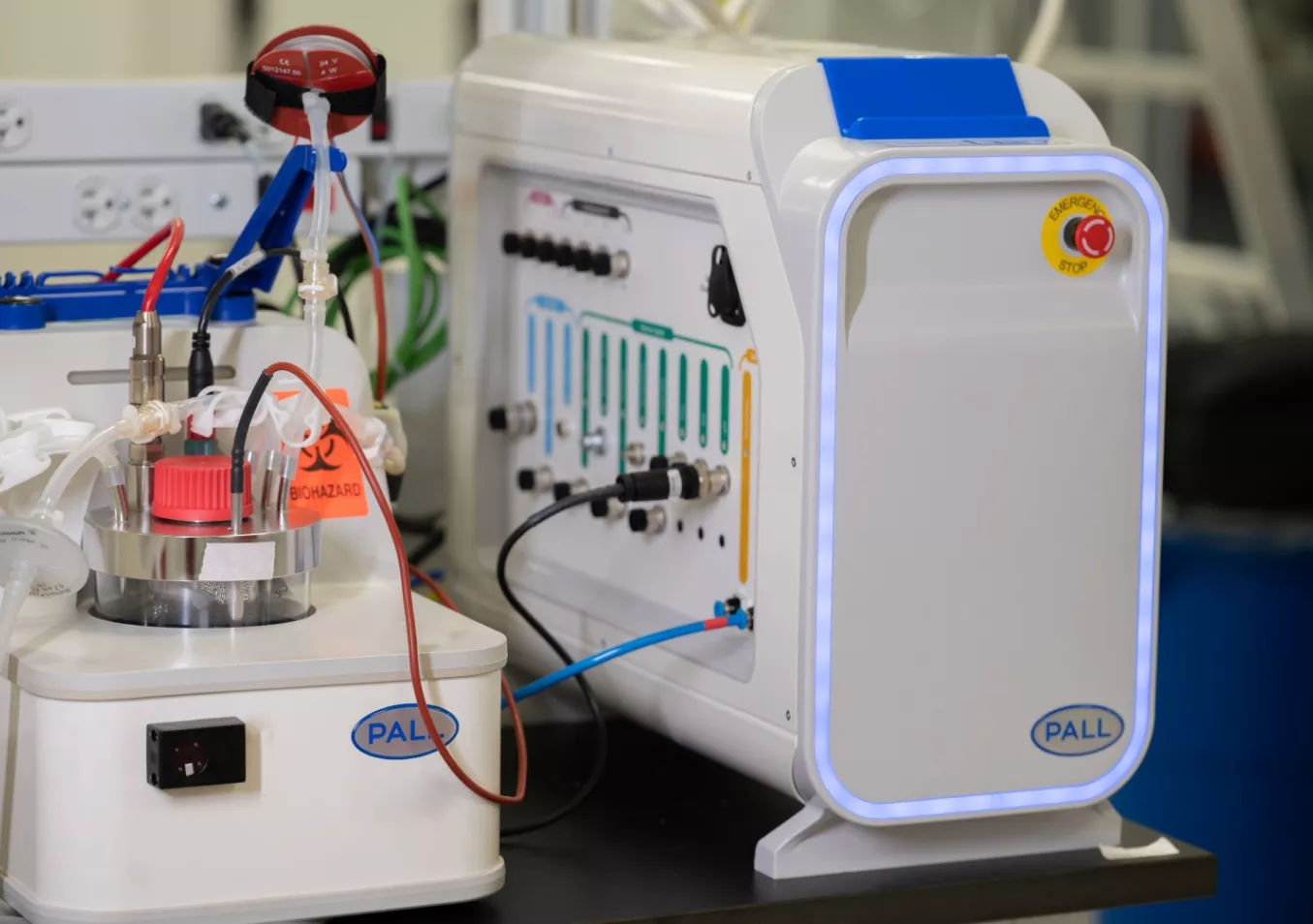
A close-up shot of a modern bioreactor system and control unit from Pall Corporation in a clean laboratory environment.

Frequently Asked Questions

    What defines a suitable cell-based potency assay for a CRISPR therapeutic?

    A suitable assay must be quantitative and reflect the intended biological mechanism of action (MOA). For CRISPR-Cas9 systems, this typically involves measuring on-target gene editing efficiency (e.g., indel formation, gene knockout, or specific sequence insertion) in a relevant cell line. The method must be reproducible, stable, and capable of detecting changes in product activity.

    When should potency assay development begin?

    Development should begin early in the preclinical phase. An initial research-grade assay is used to support process development and product characterization. This assay is then progressively refined and optimized for qualification and eventual validation under GLP conditions to support IND-enabling toxicology studies.

    What are the regulatory expectations for these assays for IND submissions?

    Regulatory bodies expect a well-characterized potency assay that is demonstrated to be suitable for its intended purpose. For an IND, the assay must be qualified to show it is specific, accurate, and precise. It forms a core component of the CMC (Chemistry, Manufacturing, and Controls) data package, linking the manufactured vector product to its biological function.

A stylized 3D rendering of a DNA double helix, composed of light-colored spheres on a translucent blue backbone, set against a soft-focus, light blue background.

Aligning Potency with Vector Biology

A standard template for preclinical testing does not exist for gene editing therapies. A science-based, data-driven strategy is tailored to the asset modality and target indication. For viral vectors like AAV or Lentivirus delivering CRISPR-Cas9 payloads, the potency assay must measure the entire cascade of events: cell entry, nuclear trafficking, payload expression, and target DNA modification.

The choice of vector production system can introduce significant variability in functional quality. For instance, comparative analyses show that capsid properties and biological potency can differ based on the manufacturing platform (PMID: 37597192). A robust, custom-developed potency assay is the only way to reliably detect these differences and ensure lot-to-lot consistency.

Phase-Appropriate Assay Development for IND Readiness

Our approach to potency assays is phase-appropriate and built to support programs from early discovery through IND submission.

  • Early Stage: Focus on developing a reliable method to screen candidates and optimize manufacturing processes.
  • Pre-IND: The assay undergoes formal qualification to establish performance characteristics. This qualified assay is then used in GxP-compliant environments to analyze the material for IND-enabling toxicology studies.
  • Clinical Stage: The assay proceeds to full validation according to ICH guidelines, becoming a release test for clinical trial material.

This staged approach minimizes clinical risk by ensuring that the analytical methods mature alongside the therapeutic program. Subtle changes in vector design, such as capsid modifications engineered to alter biodistribution, can have a direct impact on biological activity that must be quantified (PMID: 39001819). A well-designed potency assay provides this quantitative link between product attributes and function.

Scientific Process Diagram

This content is for informational purposes. For guidance specific to your therapeutic program, please contact our team for a consultation.